













:max_bytes(150000):strip_icc()/RD_LaurelWay_0111_F-35c7768324394f139425937f2527ca92.jpg)












































































Property Express News 13 08 25
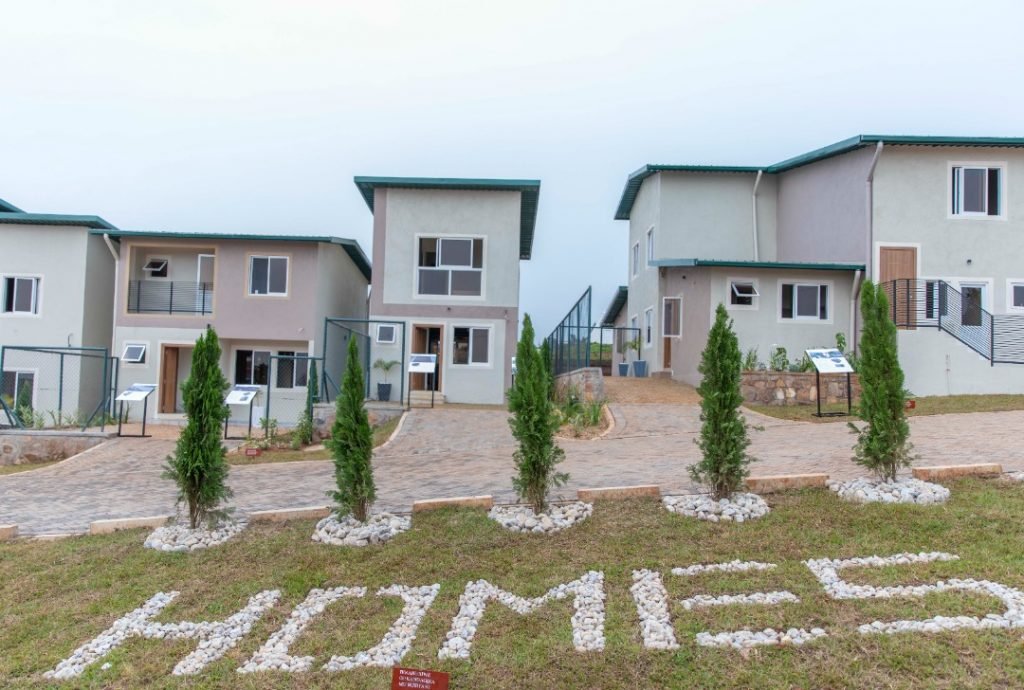
Headlines for PE News Ghana’s Housing Market Offers Major Opportunities for Private Investors Government Prioritizes Affordable Housing for Low- and Middle-Income Ghanaians Global Housing Challenges Inspire Innovative Solutions for Affordable Homes

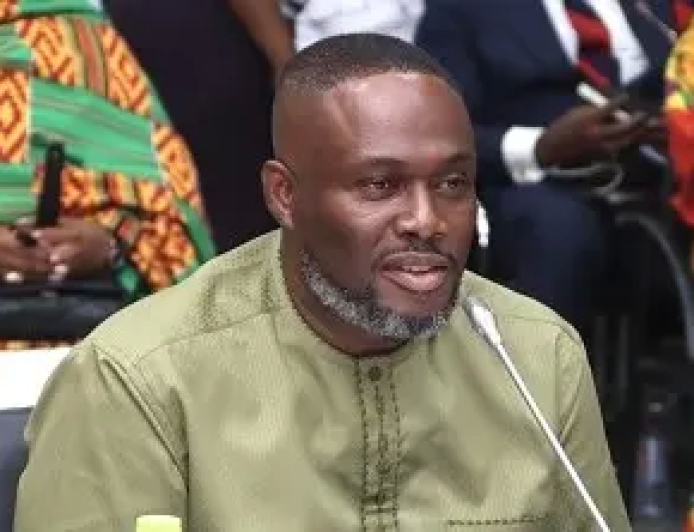

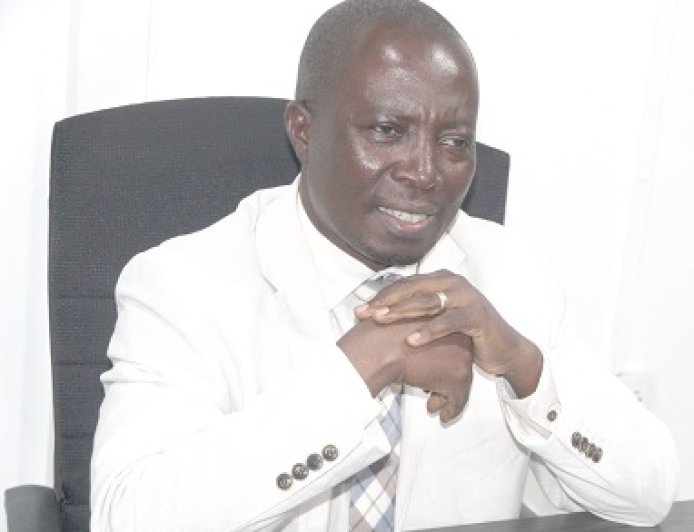
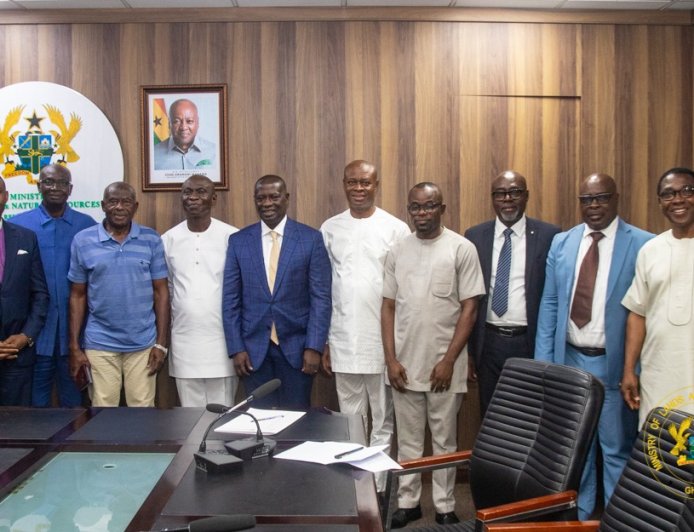
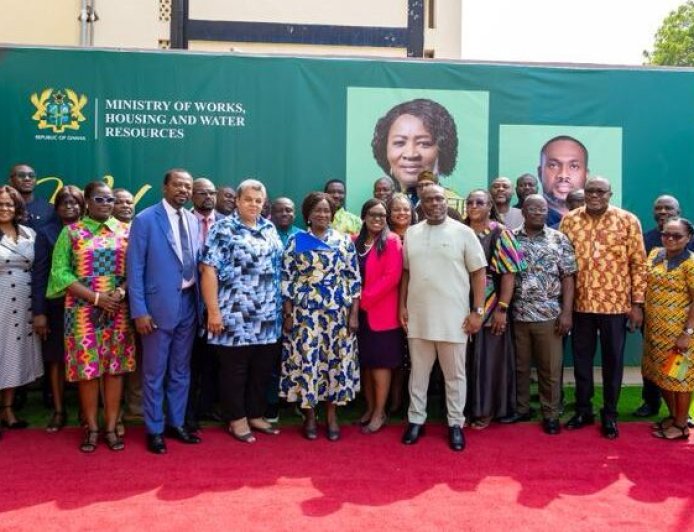
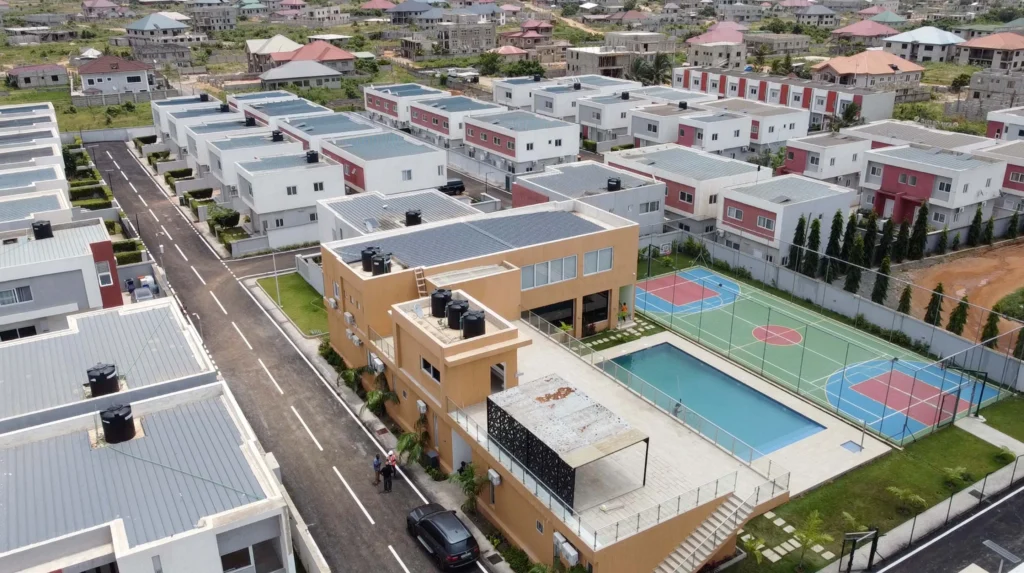
Mr Kenneth Gilbert Adjei, the Minister for Works, Housing and Water Resources, says the Ghanaian housing market presents significant investment opportunities for the private sector.He said the growing urban population and government’s commitment to housing indicate a clear market for new housing developments, infrastructure, and financing solutions for the sector.
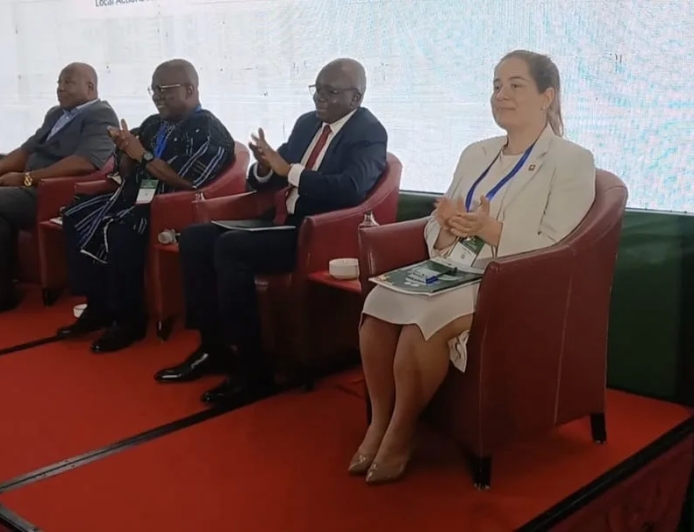
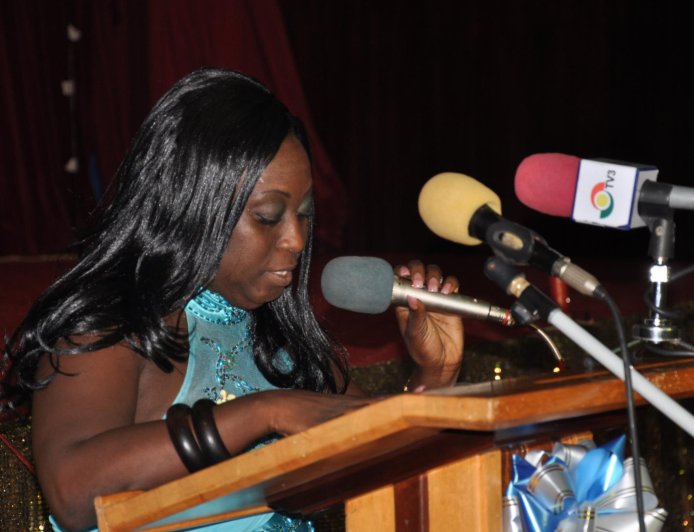
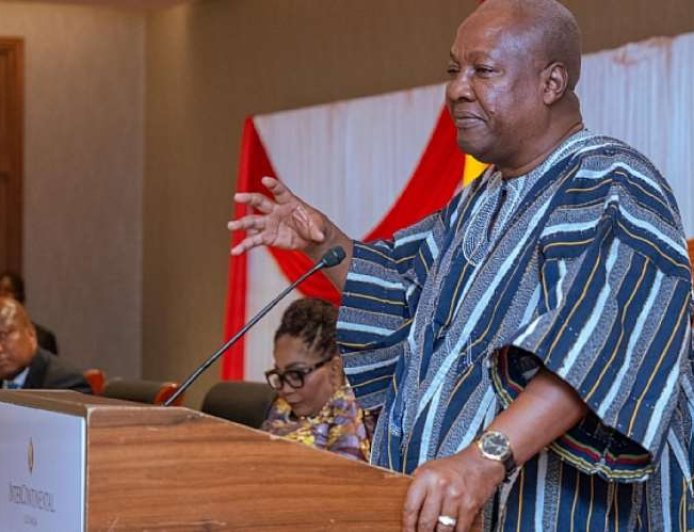
Mr Adjei said this in a speech read on his behalf by Mr Prosper Hoetu, the Chief Executive Officer of the National Homeownership Fund Company Limited, at the launch of the Ecobank-Joynews Habitat Fair.He said the Habitat Fair continued to serve as a vital platform for fostering partnerships, sharing innovative ideas, and facilitating investment in Ghana’s real estate sector. It also provides an avenue for the government to relay its intentions and efforts directly to industry players and prospective investors.
Ghana’s current urban population stands at 59 per cent of the total population, with an average urbanization rate of 3.3 per cent annually. As urbanization increases, the demand for housing continues to rise, and the challenges within the housing market become more complex.
This, he noted, is particularly evident in the housing deficit, which, according to the 2021 Population and Housing Census, stands at 1.8 million units. While this reflects significant progress from the previous deficit of 2.8 million, the system of housing delivery has largely failed to meet the needs of low-to-middle-income households.
Furthermore, 12.7 per cent of all housing units in the country remain vacant, indicating a mismatch between housing supply and demand.
The Minister highlighted that the United Nations Universal Declaration of Human Rights recognizes housing as a basic human right, adding that having access to a home is essential to living a fulfilling and dignified life.
The Ministry, he said, intended to work with key agencies, including the Lands Commission, to streamline land tenure issues and create an enabling environment for investments in the sector.
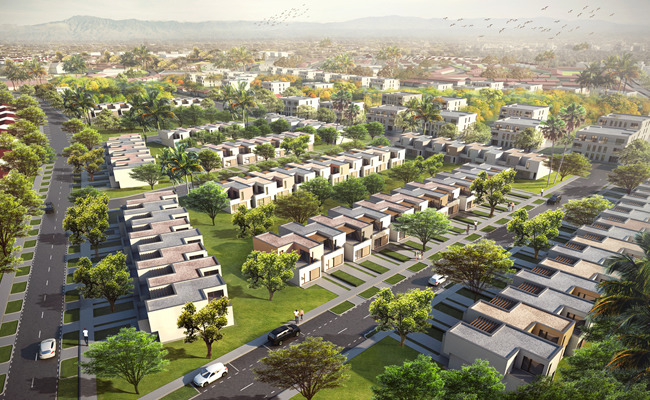
In the coming months, the government will commence the District Housing Programme, aimed at providing access to housing nationwide. The initiative will also enable members of the diaspora to own homes in well-planned and even gated communities in their hometowns, creating further opportunities for private sector investment.
He said the government was resolute in its commitment to creating an enabling environment for the successful delivery of housing solutions, stressing the importance of collaboration among all stakeholders, including the private sector and financial institutions.
Here’s a concise summary of the text:
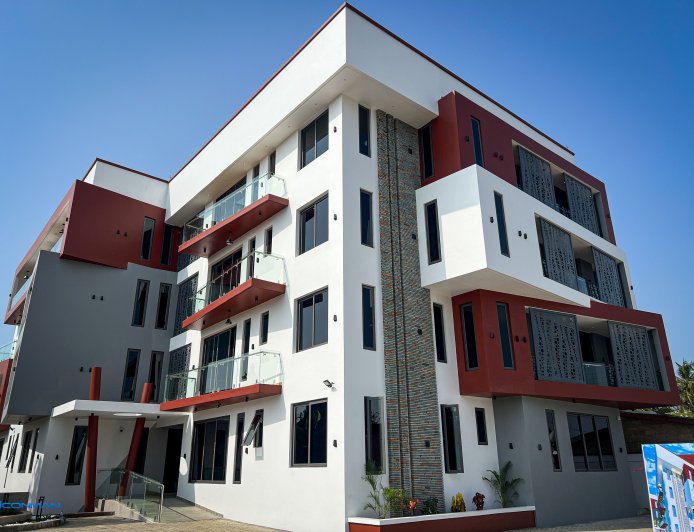
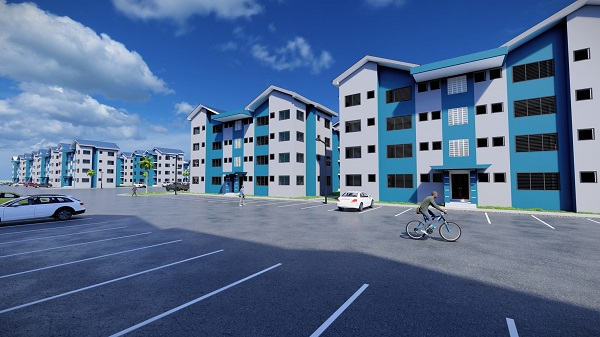
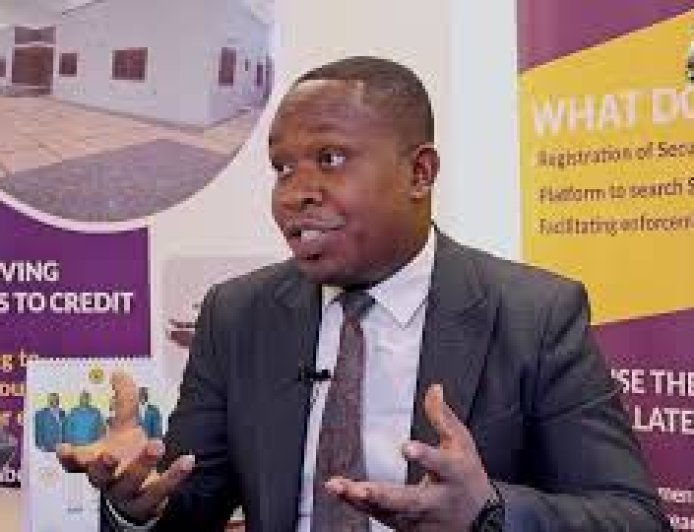
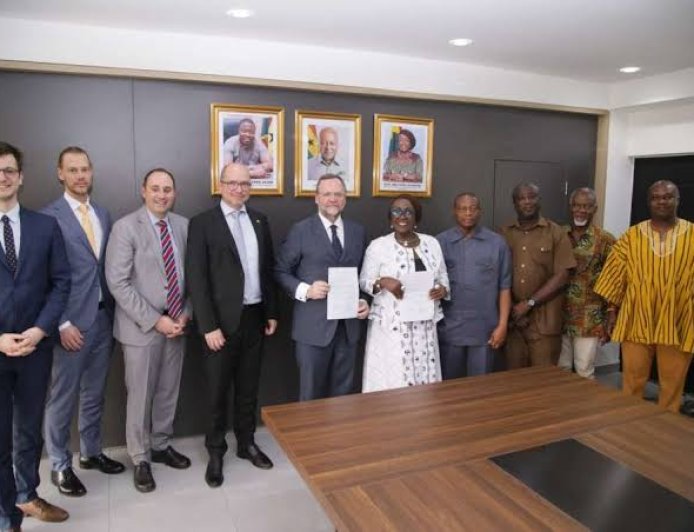
John S. Bawah, Managing Director of Ghana’s State Housing Company (SHC), has pledged to fast-track the completion of long-abandoned housing projects across the country, in line with the President’s directive to ensure effective use of taxpayer funds. Speaking at the inauguration of a nine-unit housing development in Adenta, Accra, he highlighted efforts to restart the stalled Pokwase Housing Project, which aims to deliver between 1,600 and 3,200 units within three years, with private sector financing support.
The Adenta project, initiated over a decade ago and costing around GH¢8-9 million, illustrates challenges from delays and contractor changes. Bawah emphasized SHC’s strong reputation and quick sales as confidence to attract private partners. He also noted close collaboration with local assemblies for infrastructure development, particularly road access, and assured thorough due diligence on land acquisition to avoid litigation. SHC remains pivotal in addressing Ghana’s housing deficit, currently about 1.8 million units, with project revival central to this goal.
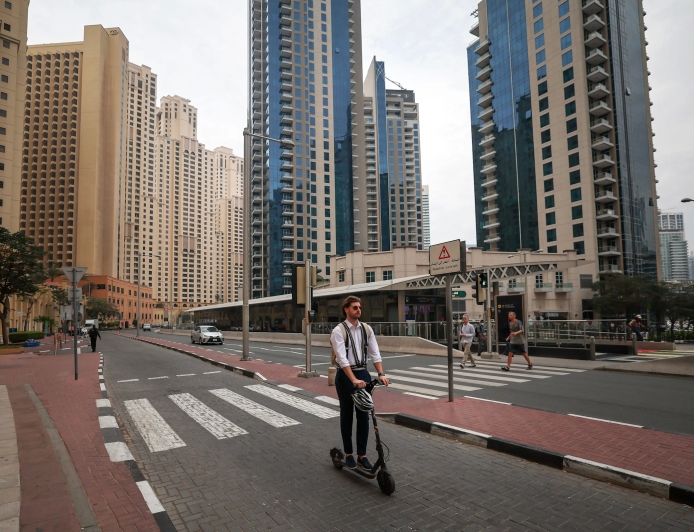
Global housing markets continue to face challenges amid rising urban populations and affordability pressures. Several countries are adopting innovative approaches, including public-private partnerships and sustainable development models, to address housing shortages and improve access to affordable homes. International organizations emphasize housing as a fundamental human right and encourage governments to prioritize inclusive housing policies that balance demand with supply while fostering economic growth.
Source : Joycelyn Marigold - Property Express Magazine



What's Your Reaction?
 Like
0
Like
0
 Dislike
0
Dislike
0
 Love
0
Love
0
 Funny
0
Funny
0
 Angry
0
Angry
0
 Sad
0
Sad
0
 Wow
0
Wow
0