















:max_bytes(150000):strip_icc()/RD_LaurelWay_0111_F-35c7768324394f139425937f2527ca92.jpg)







































































The State of Housing in Ghana: Challenges, Trends, and the Road Ahead
Ghana’s housing sector is at a critical juncture, shaped by decades of rapid urbanization, economic shifts, and growing demand for affordable shelter. With an estimated housing deficit of over 1.8 million units, the pressure on both

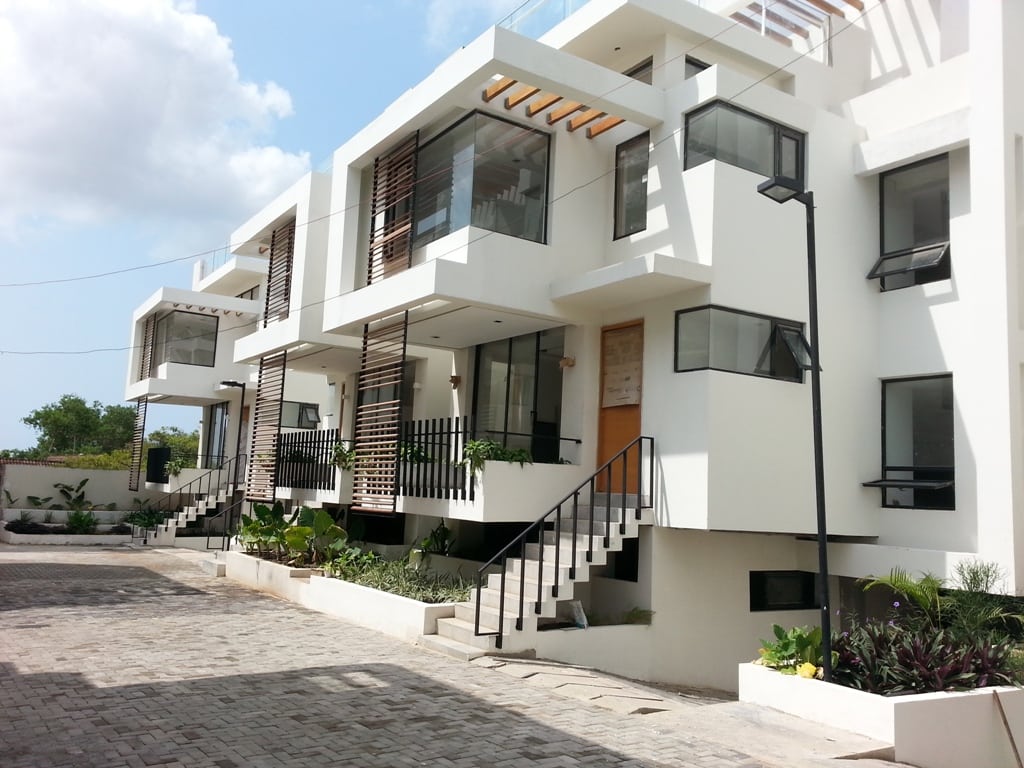

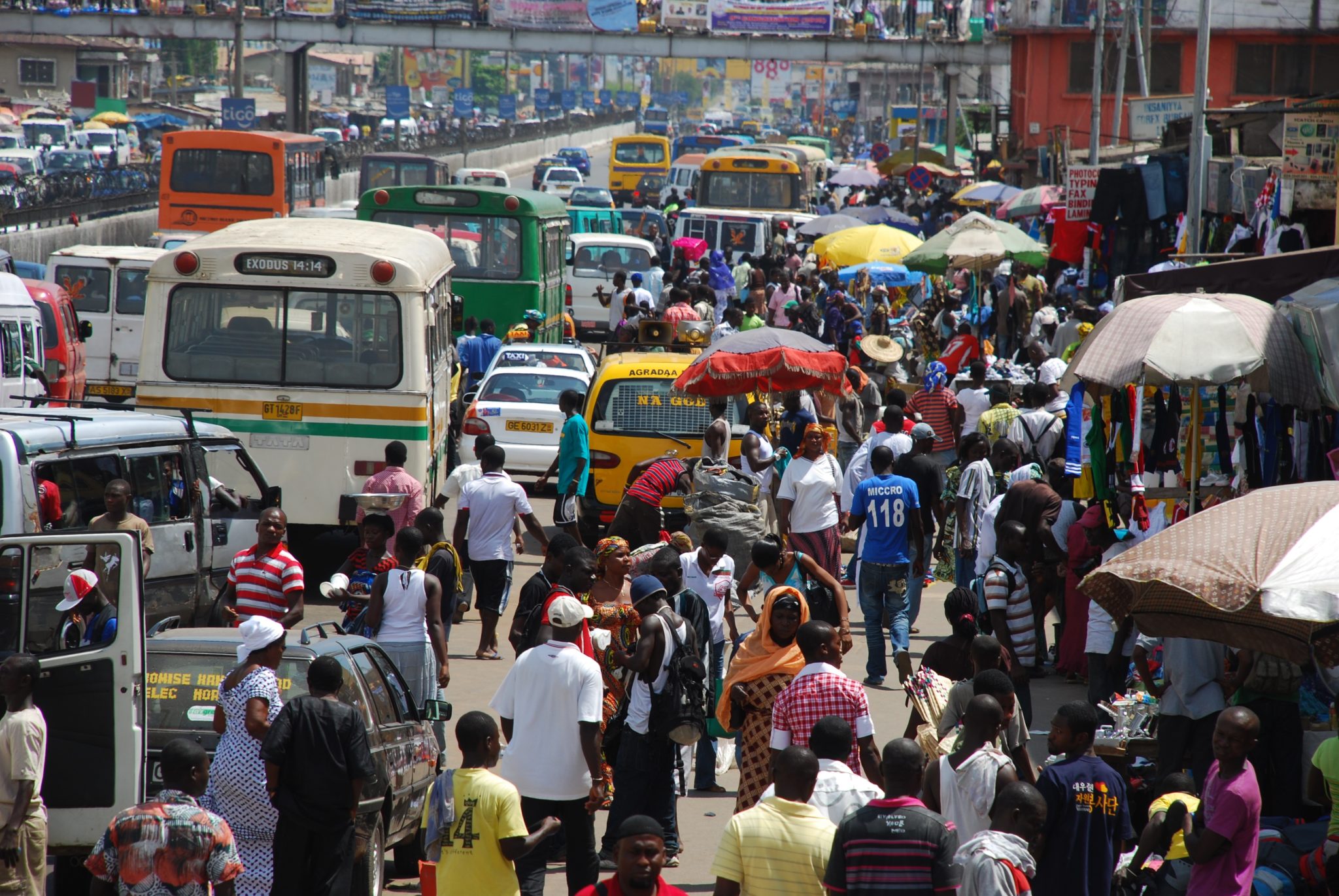
Ghana’s housing sector is at a critical juncture, shaped by decades of rapid urbanization, economic shifts, and growing demand for affordable shelter. With an estimated housing deficit of over 1.8 million units, the pressure on both government and private developers to deliver sustainable and accessible housing has never been greater. Urban centers such as Accra, Kumasi, Takoradi, and Tamale continue to attract a rising population, intensifying the demand for new homes and rental accommodation.
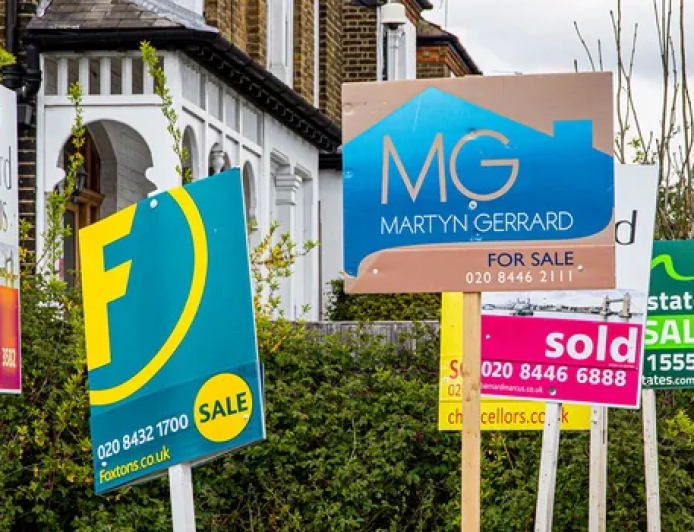
The affordability challenge remains at the heart of the crisis. Although Ghana’s construction and real estate industries have recorded increased activity in recent years, many citizens—especially middle- and lower-income earners—struggle to access financing. Mortgage interest rates are still hovering around 30 percent, while inflation continues to erode household purchasing power. Even though new developments are emerging in the capital and regional hubs, property prices remain out of reach for a large section of the population. Prices for modest two- or three-bedroom homes continue to climb, and rent advance systems further burden urban dwellers.
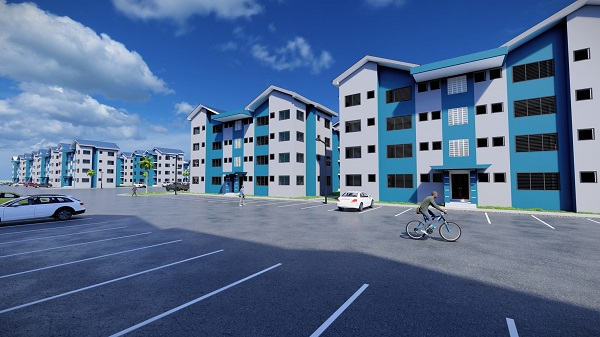
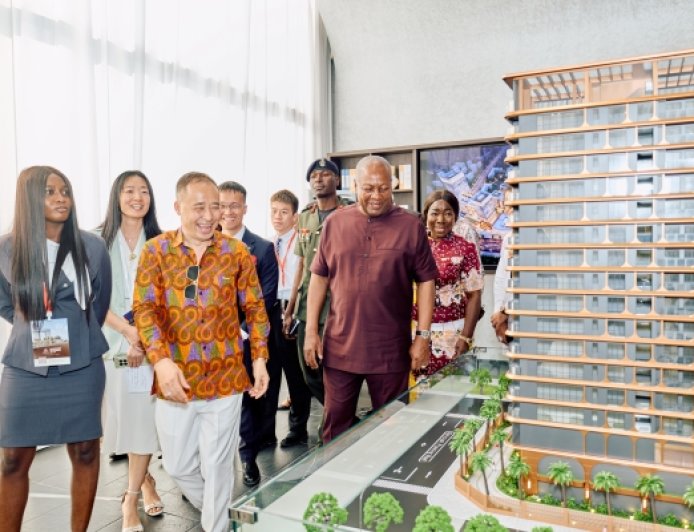
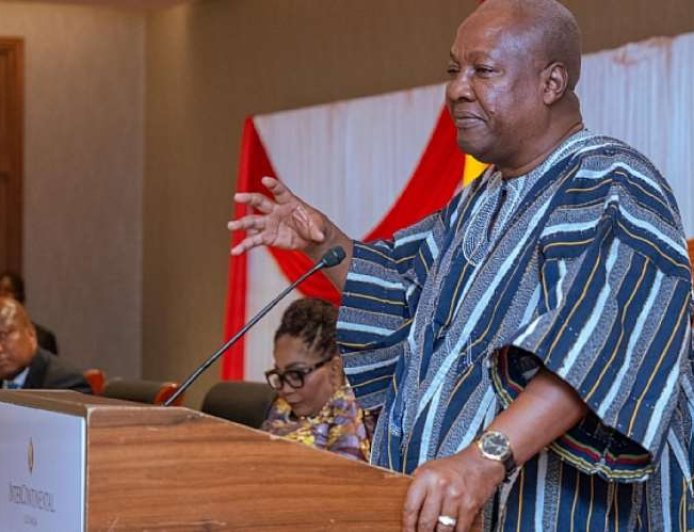
In response, successive governments have attempted to address the deficit with varying levels of success. The current administration under President John Dramani Mahama has revived interest in affordable housing as a policy priority. Among the key projects in focus is the Saglemi Housing Project, which was originally expected to deliver 5,000 housing units but stalled after only 668 were completed. After years of legal and political wrangling, a new private developer was brought on board in 2024 to complete the remaining works, though timelines remain unclear.
Other state-led initiatives include the Pokuase and Kpone Affordable Housing Projects, along with partnerships involving the State Housing Company, Tema Development Corporation, and several private entities. These efforts aim to promote ownership among low- to middle-income groups while supporting job creation within the construction sector. Additionally, the reintroduction of rent-to-own schemes and the scaling of pension-backed mortgage programs are expected to improve access to home financing in the coming years.
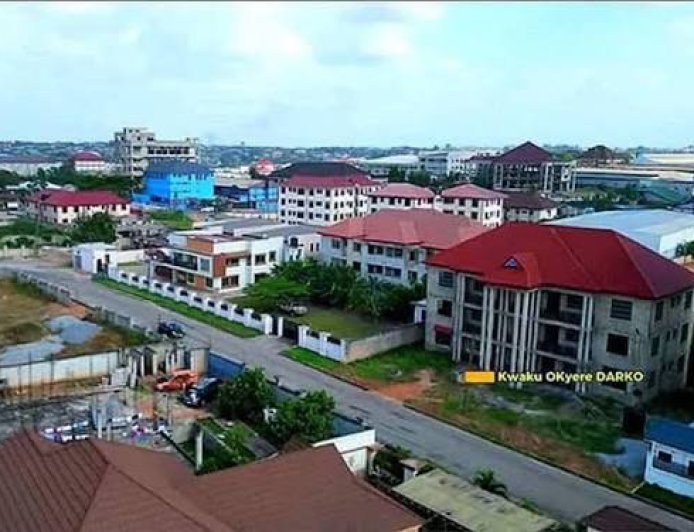
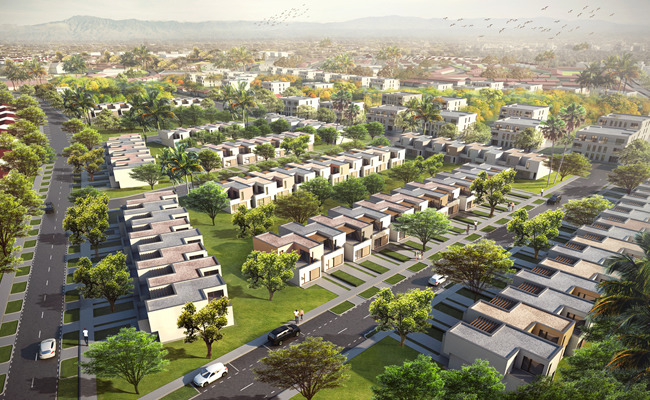
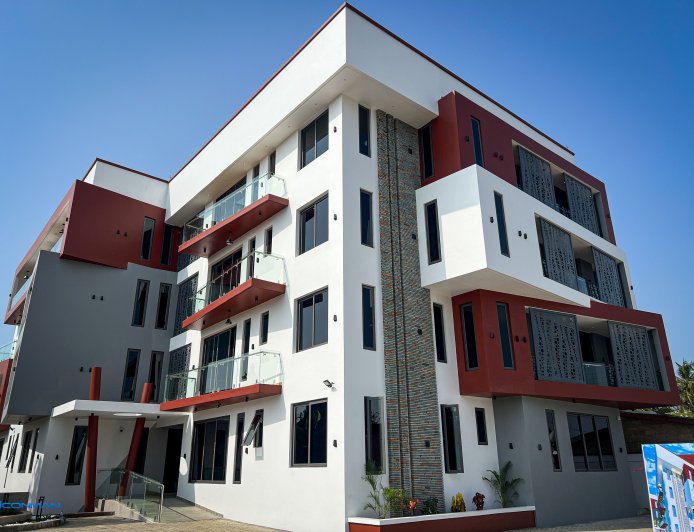
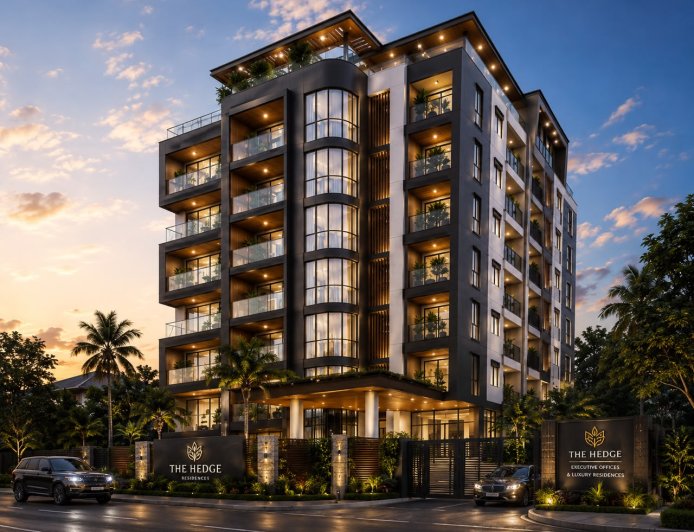
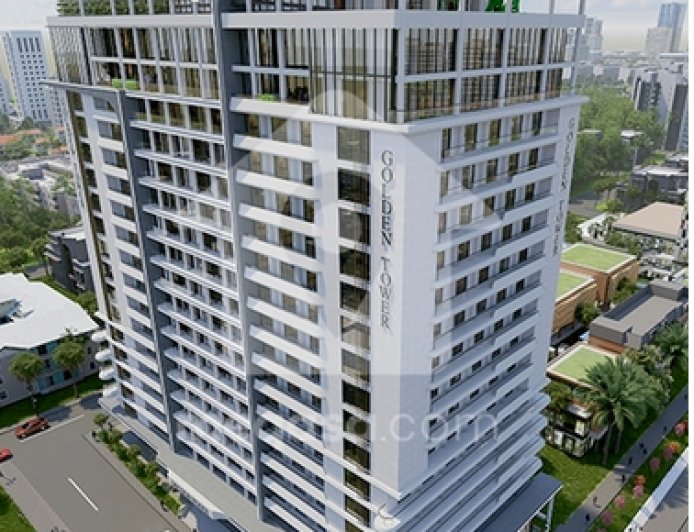
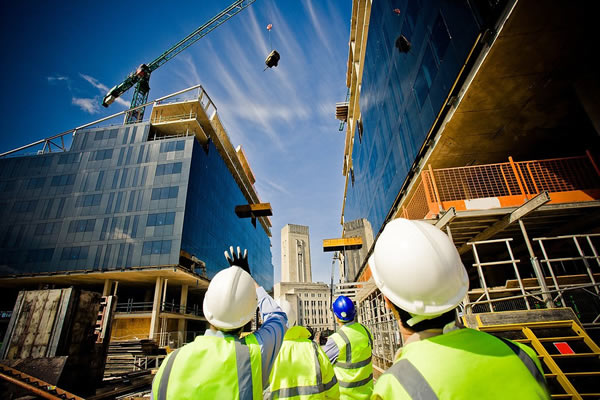
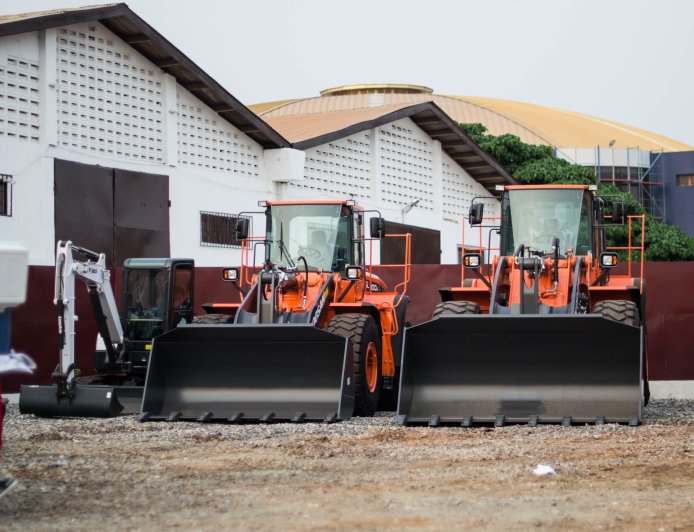
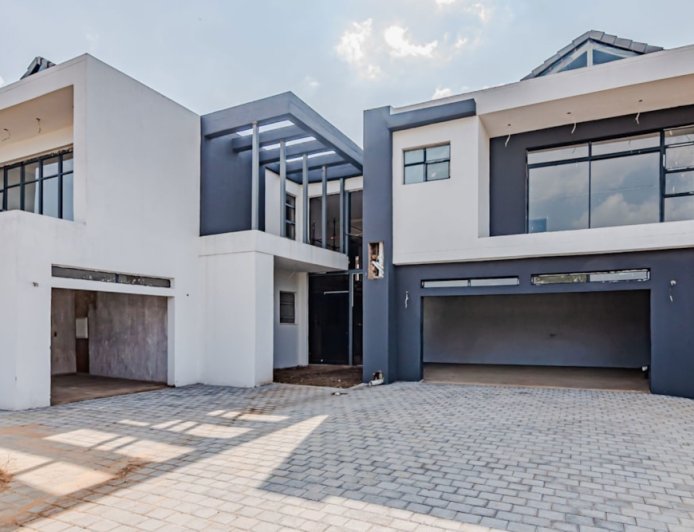
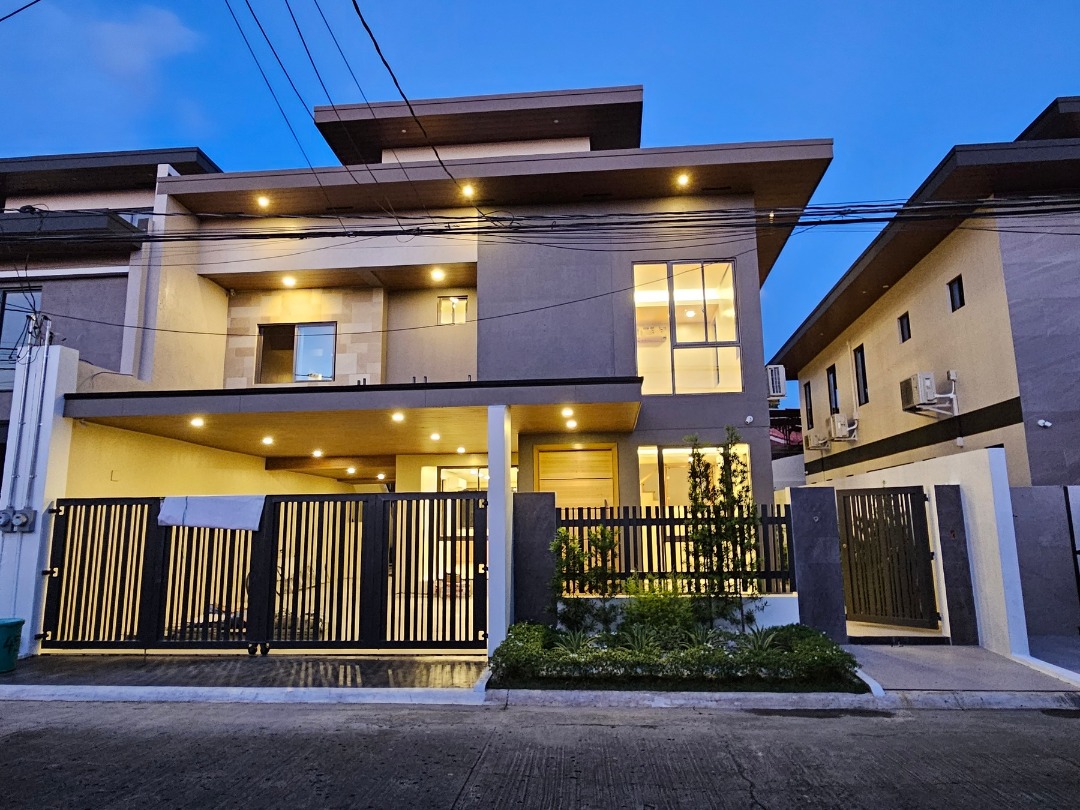
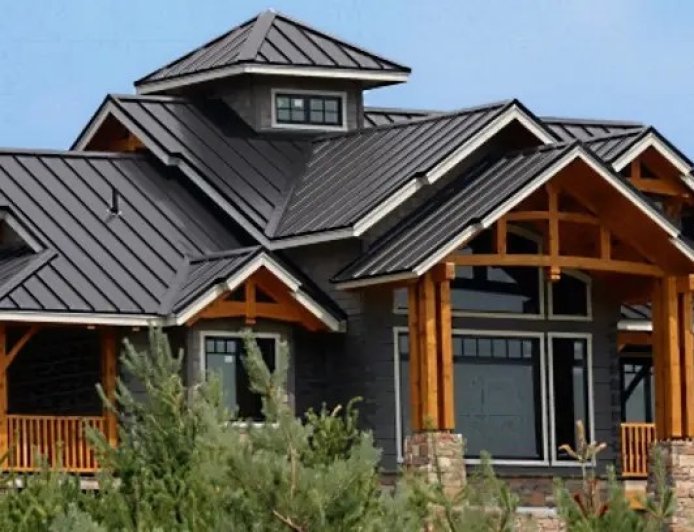
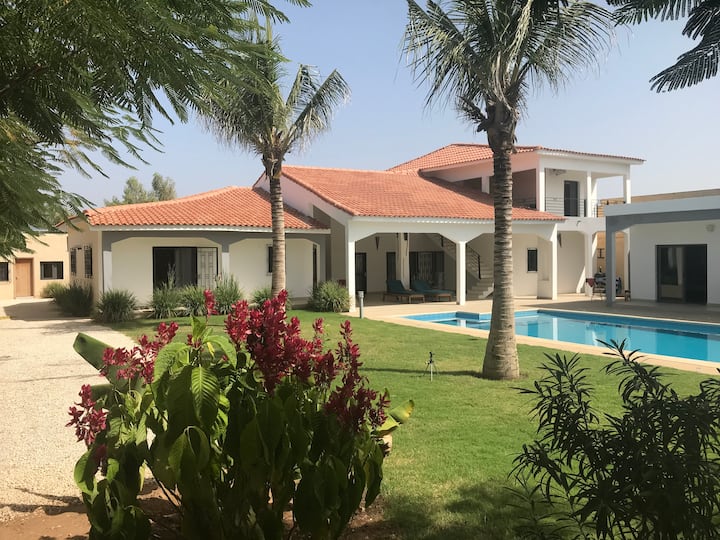
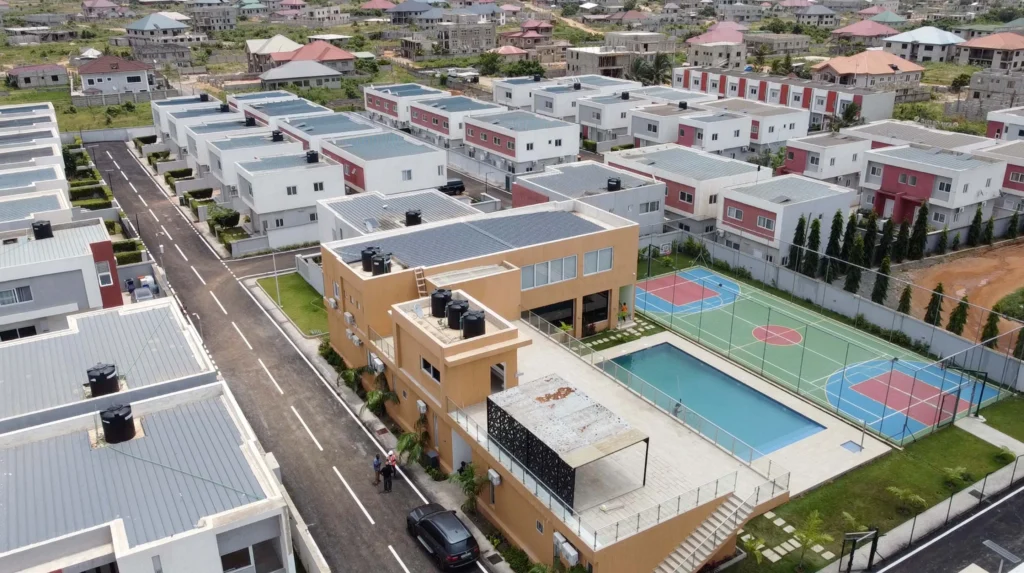
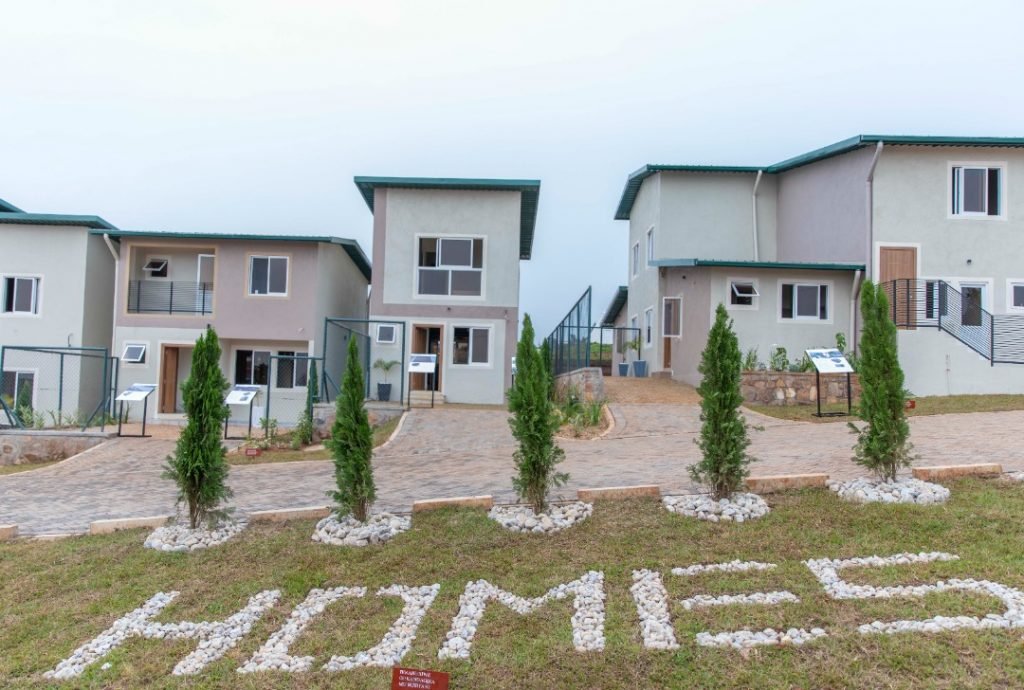
Beyond the state, the private sector is becoming more agile and innovative in addressing the housing gap. A new wave of developers is embracing modular and prefabricated technologies to fast-track construction and reduce costs. In Accra, gated communities, smart homes, and eco-friendly estates are on the rise, particularly in suburbs like Oyarifa, Amasaman, and Community 25. While these developments cater to a more affluent market, there is growing interest in mid-range housing that combines affordability with modern infrastructure.
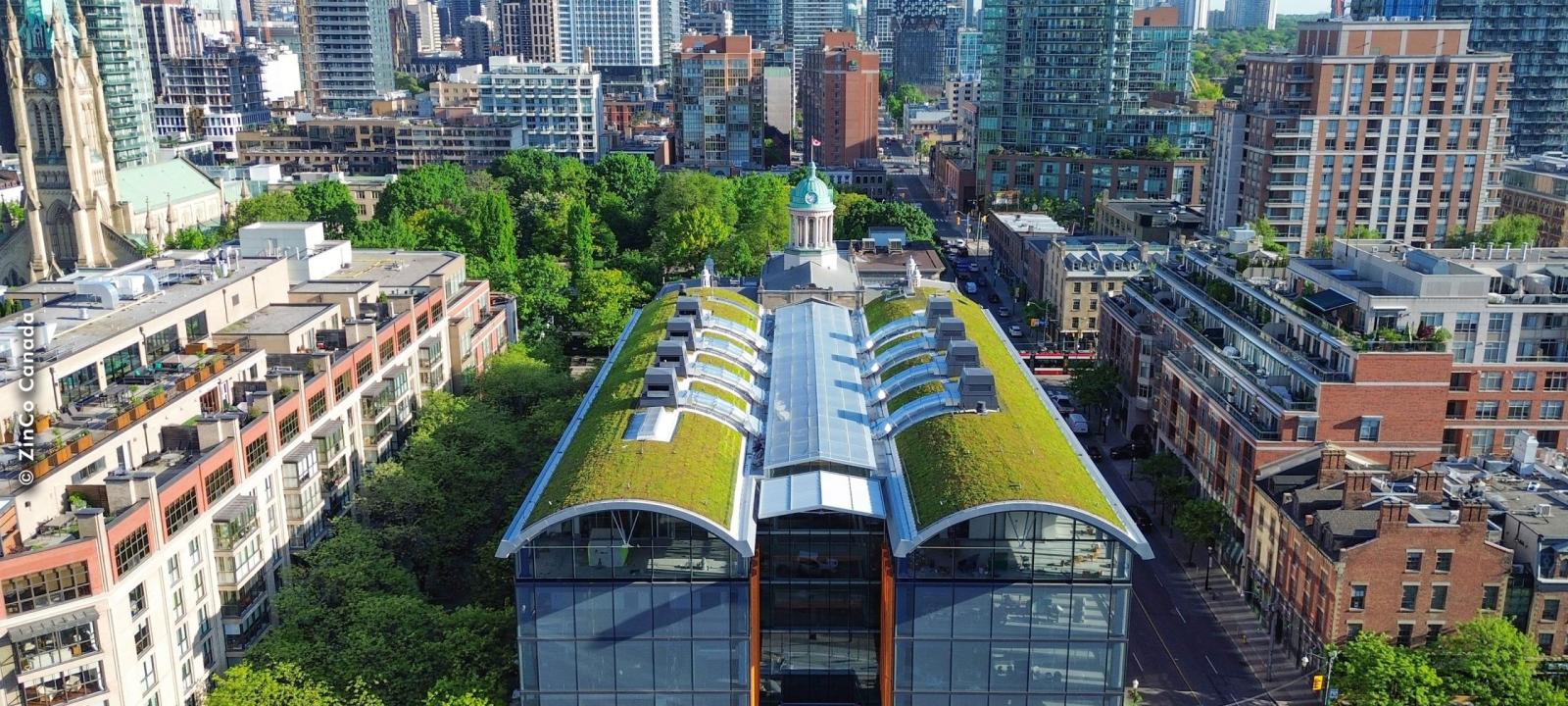
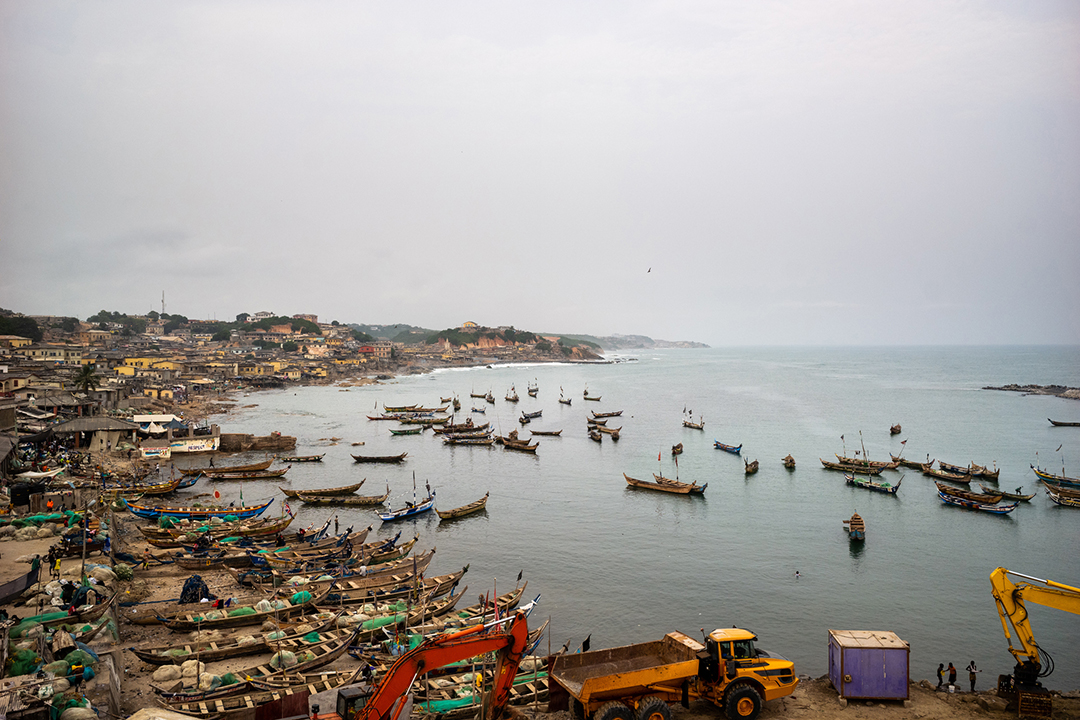
Environmental concerns are also becoming central to Ghana’s housing conversation. Coastal erosion, flooding, and poor drainage systems have left thousands displaced in vulnerable communities. In towns like Agavedzi, sea-level rise and tidal waves have destroyed homes and livelihoods, calling attention to the need for resilient housing infrastructure and proactive urban planning. Meanwhile, in parts of Accra, unregulated developments continue to strain public amenities and heighten flood risks during the rainy season.
The future of housing in Ghana depends heavily on policy coordination, financial innovation, and the adoption of technology. Improvements in land administration, titling systems, and building permit processes will be key to reducing delays and encouraging investment. At the same time, empowering district assemblies and strengthening local infrastructure will allow smaller towns and cities to absorb urban migration without overwhelming existing systems.
With a youthful population and expanding cities, Ghana’s housing sector holds immense potential to become a driver of inclusive economic growth. Achieving this goal, however, requires a shift from rhetoric to action—ensuring that homes are not only built but made affordable, secure, and sustainable for all.
Source : Property Express News -Joyceln Marigold



What's Your Reaction?
 Like
0
Like
0
 Dislike
0
Dislike
0
 Love
0
Love
0
 Funny
0
Funny
0
 Angry
0
Angry
0
 Sad
0
Sad
0
 Wow
0
Wow
0