







:max_bytes(150000):strip_icc()/RD_LaurelWay_0111_F-35c7768324394f139425937f2527ca92.jpg)





















































Mali’s Oil and Gas Sector: Dormant Potential in a Renewables-Driven Energy Transition
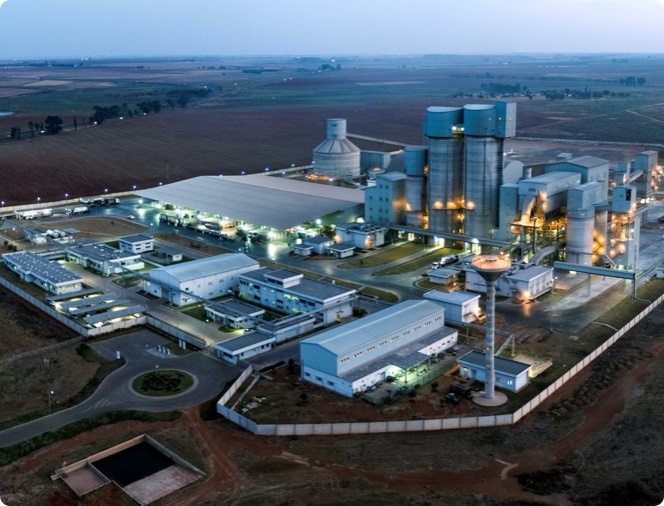
Mali’s oil and gas industry remains largely underdeveloped, with exploration activities stalled for over a decade due to political unrest and limited infrastructure. Unlike its North African counterparts, Mali is not a major producer of hydrocarbons.



Mali’s oil and gas industry remains largely underdeveloped, with exploration activities stalled for over a decade due to political unrest and limited infrastructure. Unlike its North African counterparts, Mali is not a major producer of hydrocarbons. Instead, the country relies heavily on imported oil products, which have tripled since 2010 to meet growing domestic demand. Oil prices are regulated, and subsidies for electricity—often generated from imported fuels—accounted for 3% of GDP in 2022.
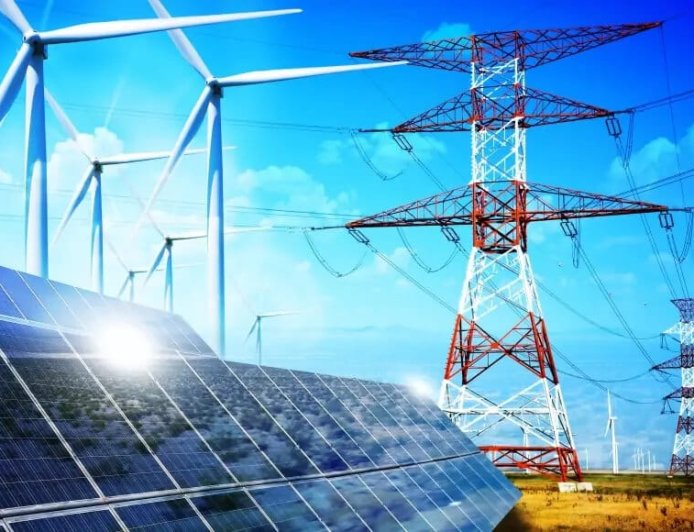
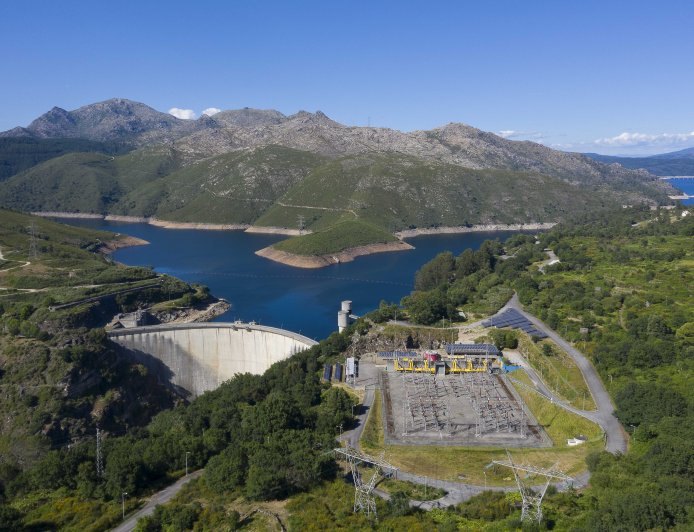
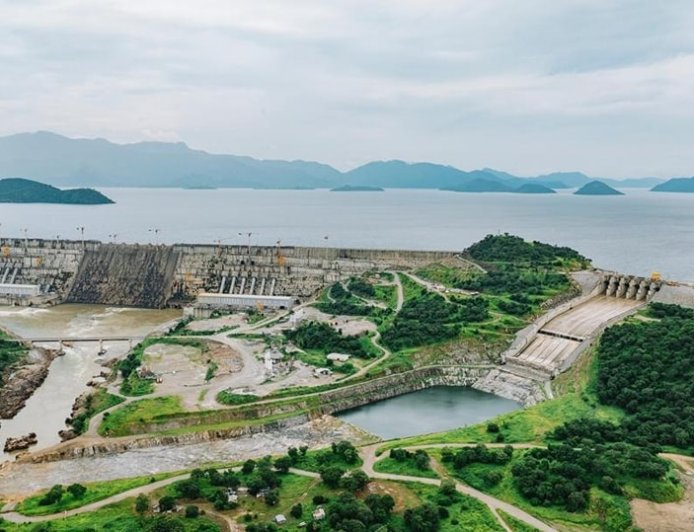
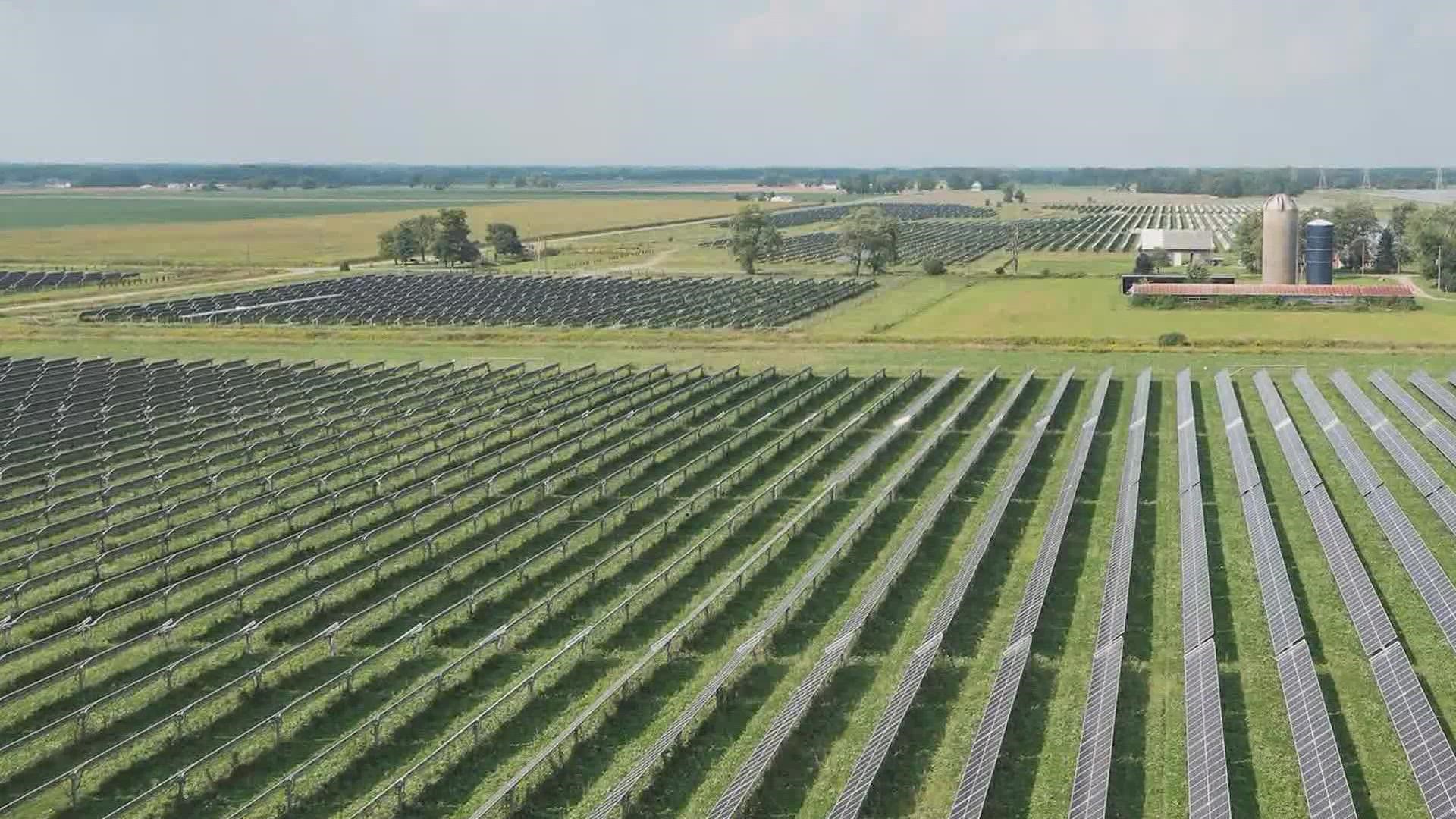
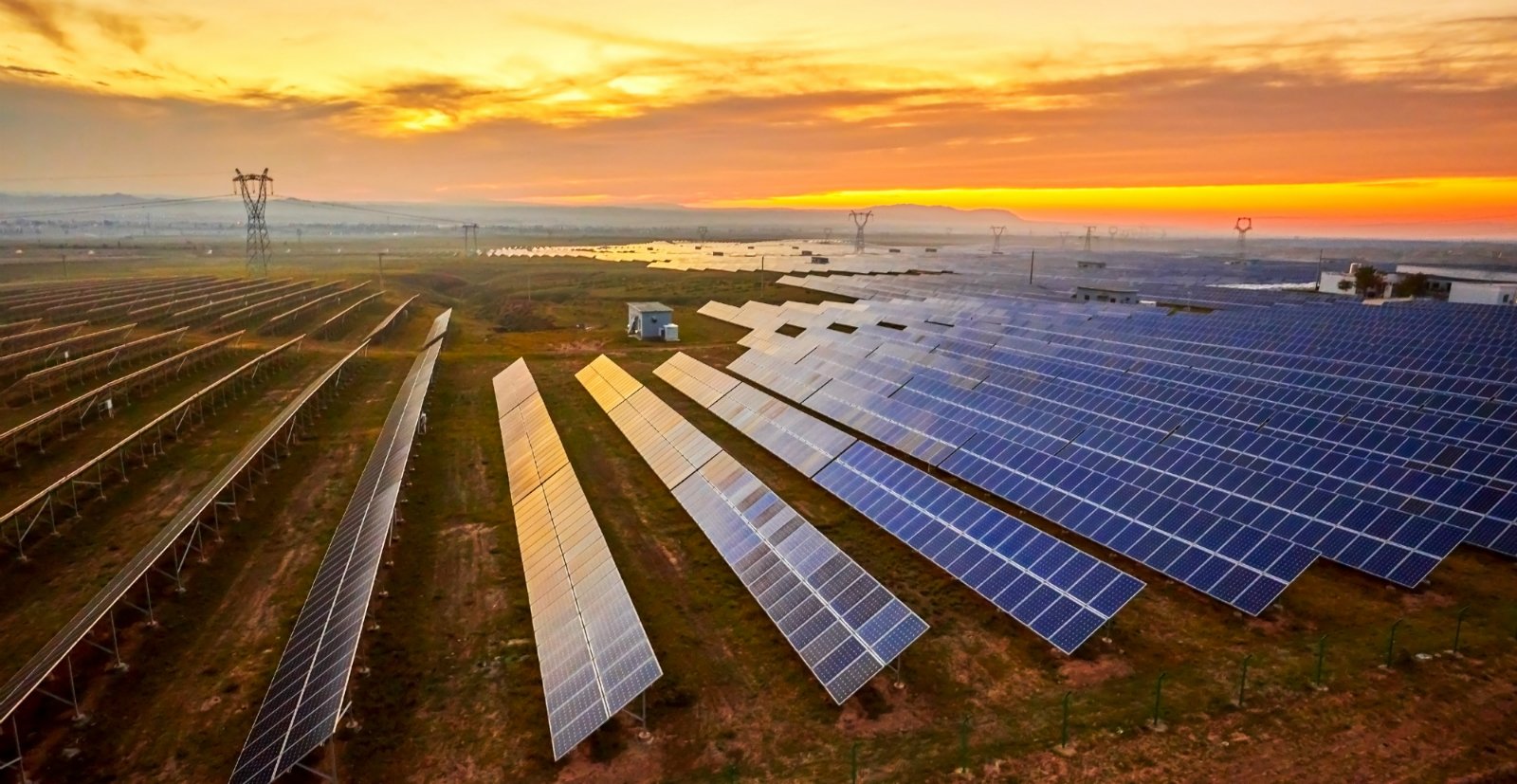
The Ministry of Mines, Energy, and Water oversees the sector, but its focus has shifted toward renewable energy and electrification. Biomass still dominates the energy mix, though its share has declined as Mali invests in hydropower and solar projects. A 140 MW hydropower plant commissioned in 2022 marked a significant milestone, and the electrification rate is projected to rise from 57% in 2022 to 87% by 2030.
While Mali’s oil and gas potential remains largely untapped, its strategic pivot toward renewables reflects a broader commitment to sustainable development and energy independence. The country’s energy future may not lie in hydrocarbons, but in harnessing its abundant solar and hydro resources to power inclusive growth and regional integration.
Source : African Property Magazine -Digital , Mali


What's Your Reaction?
 Like
0
Like
0
 Dislike
0
Dislike
0
 Love
0
Love
0
 Funny
0
Funny
0
 Angry
0
Angry
0
 Sad
0
Sad
0
 Wow
0
Wow
0