










:max_bytes(150000):strip_icc()/RD_LaurelWay_0111_F-35c7768324394f139425937f2527ca92.jpg)













































































Ghana’s Real Estate Boom: Pricey, Competitive, and Powered by Diaspora Demand
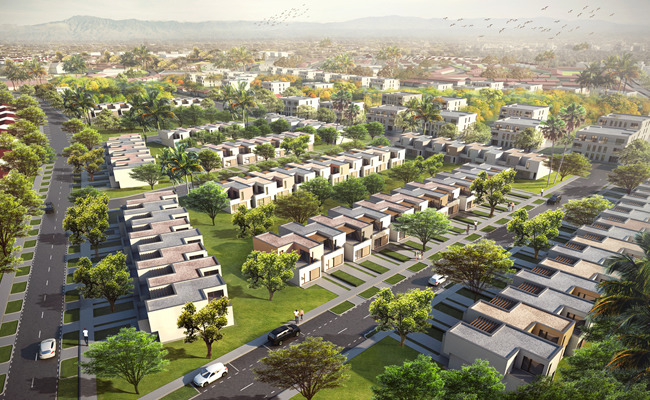
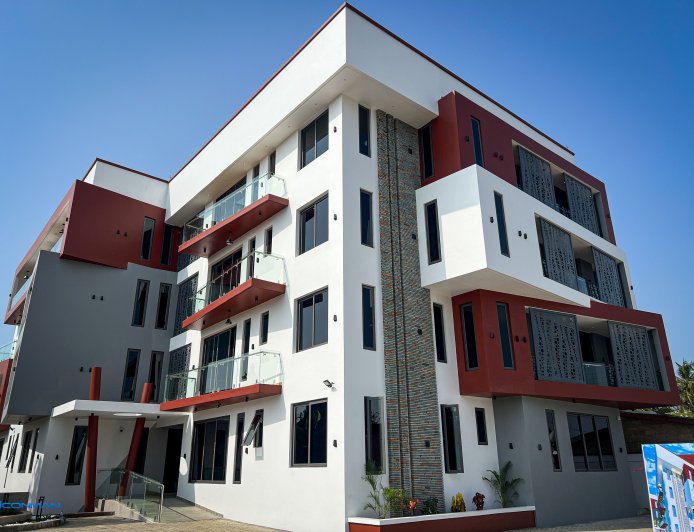
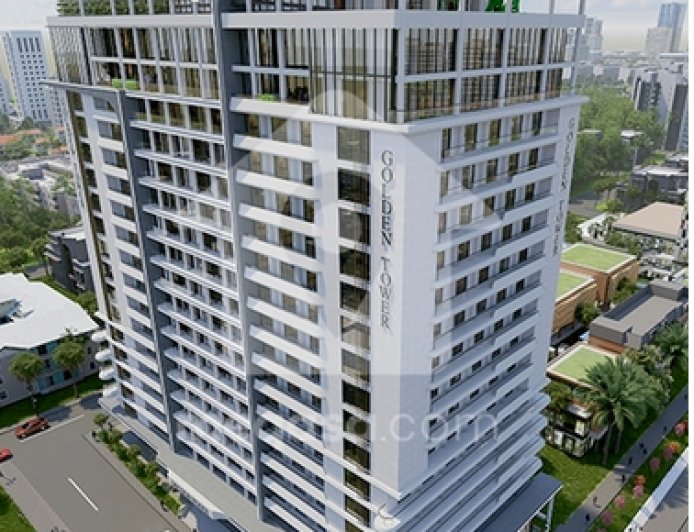
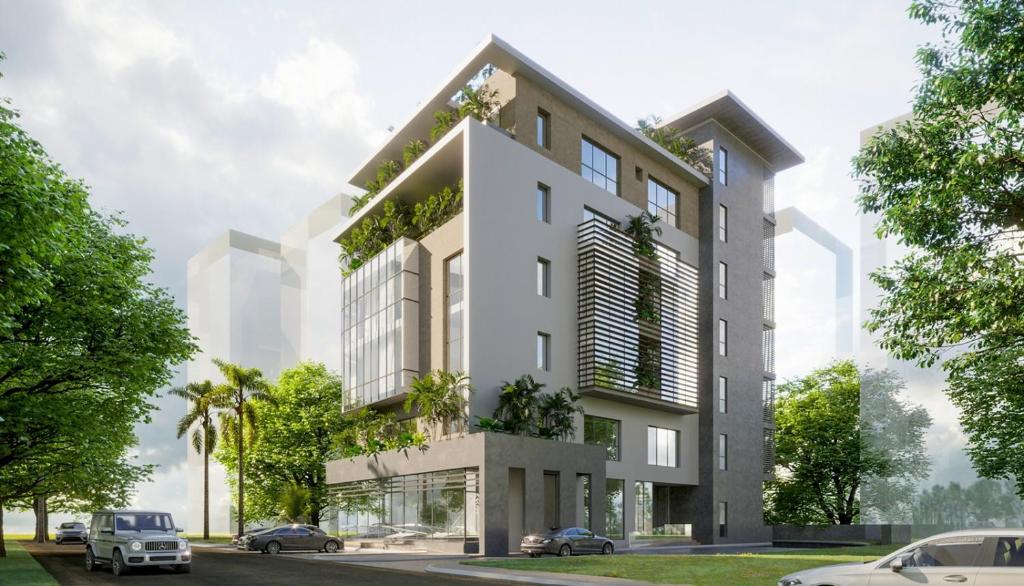
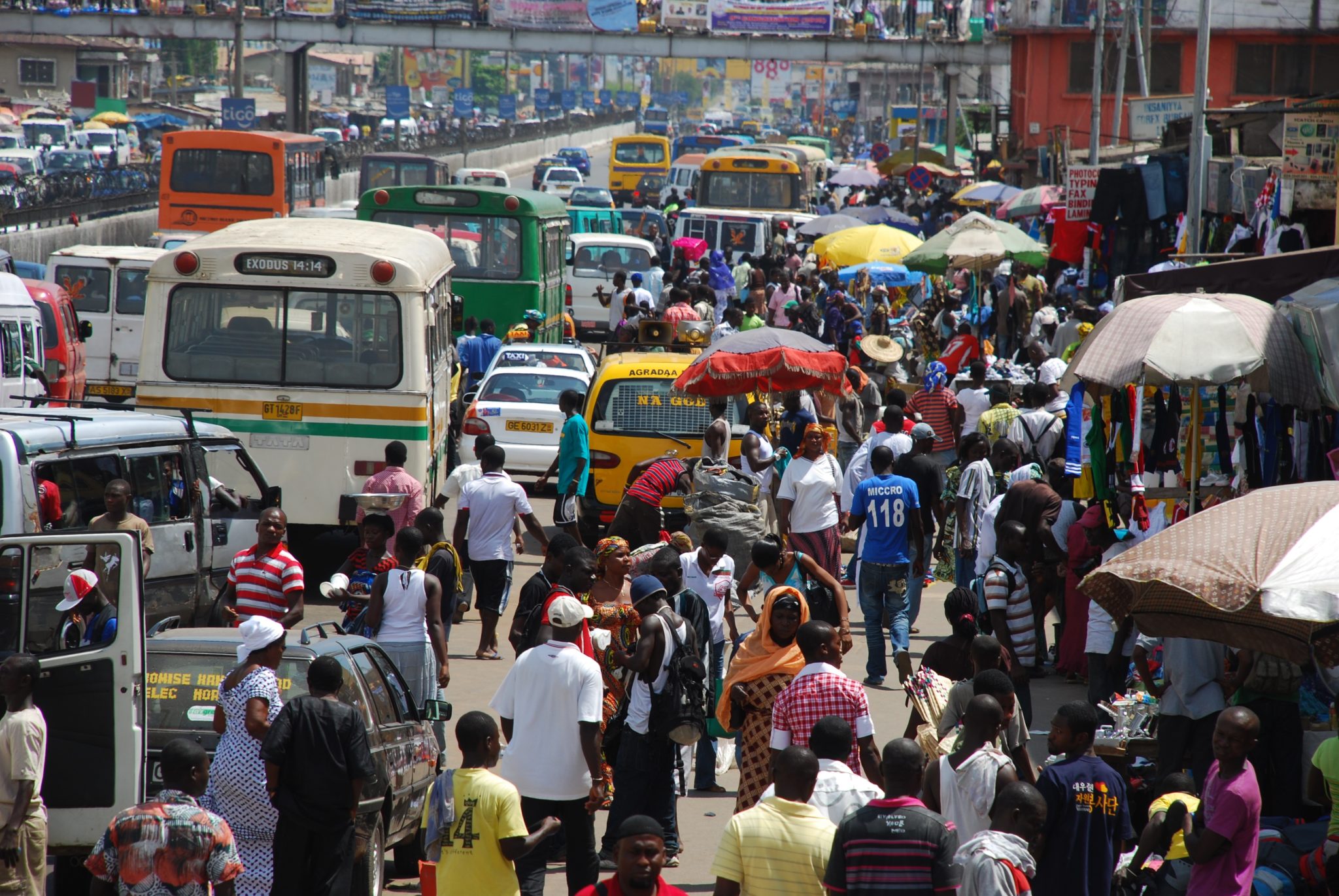
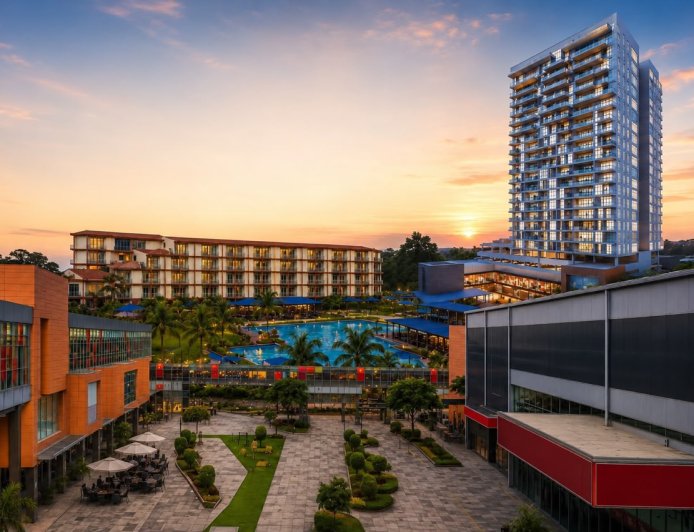
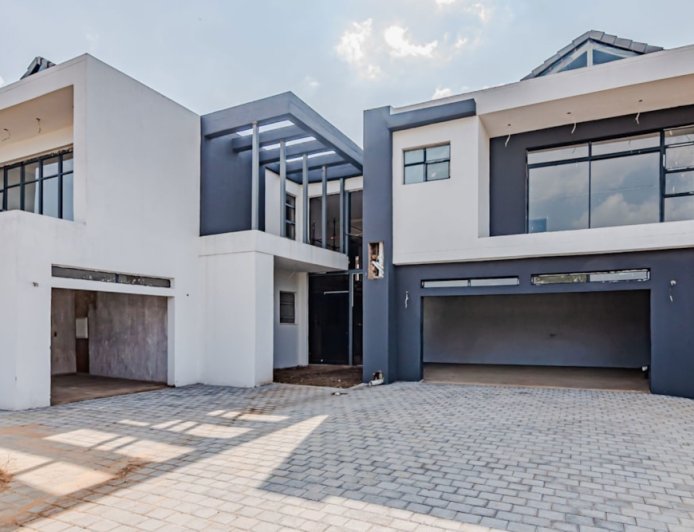
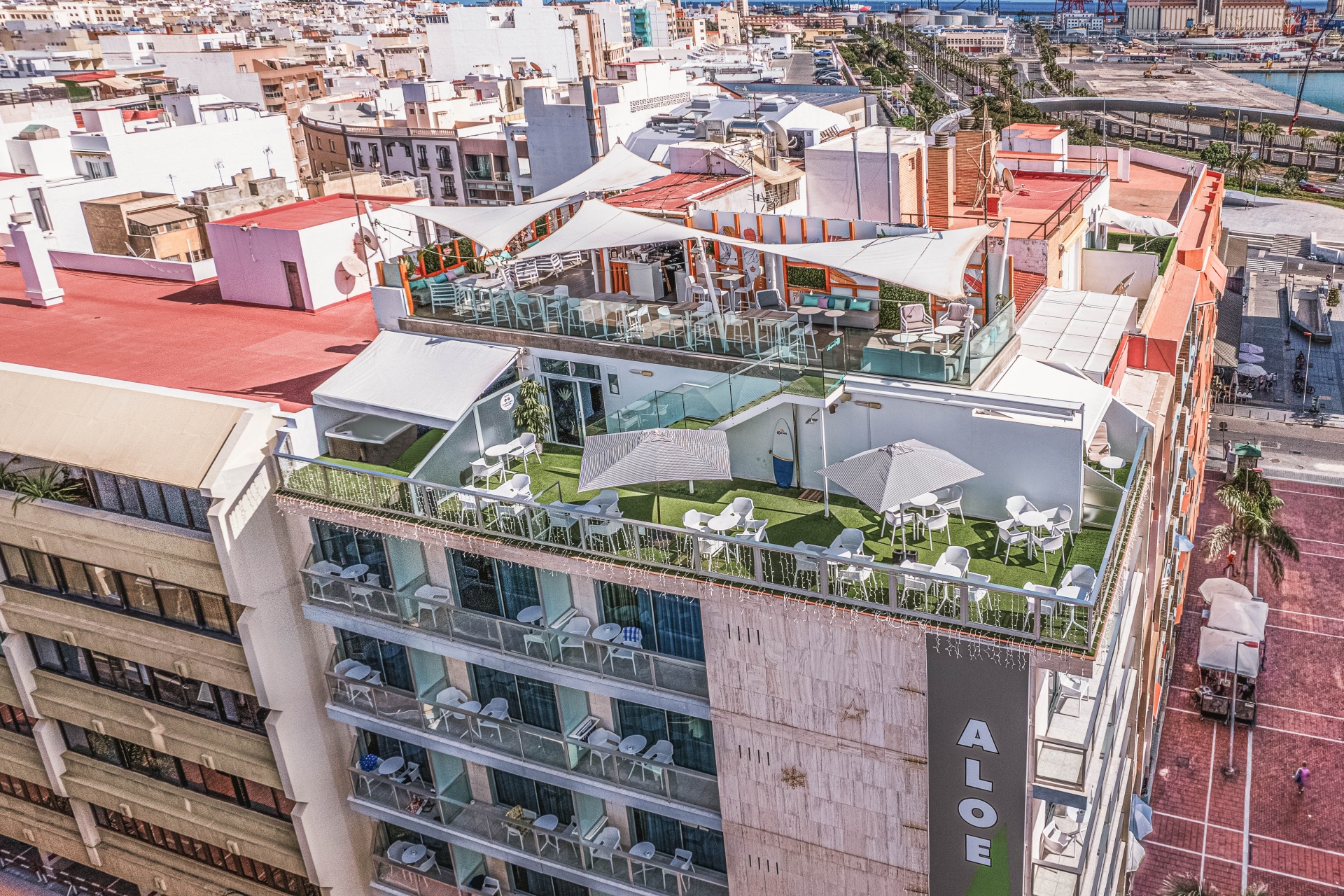
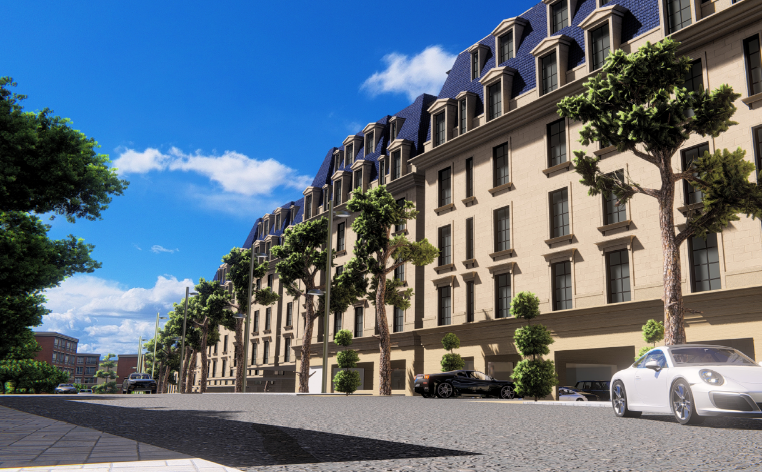
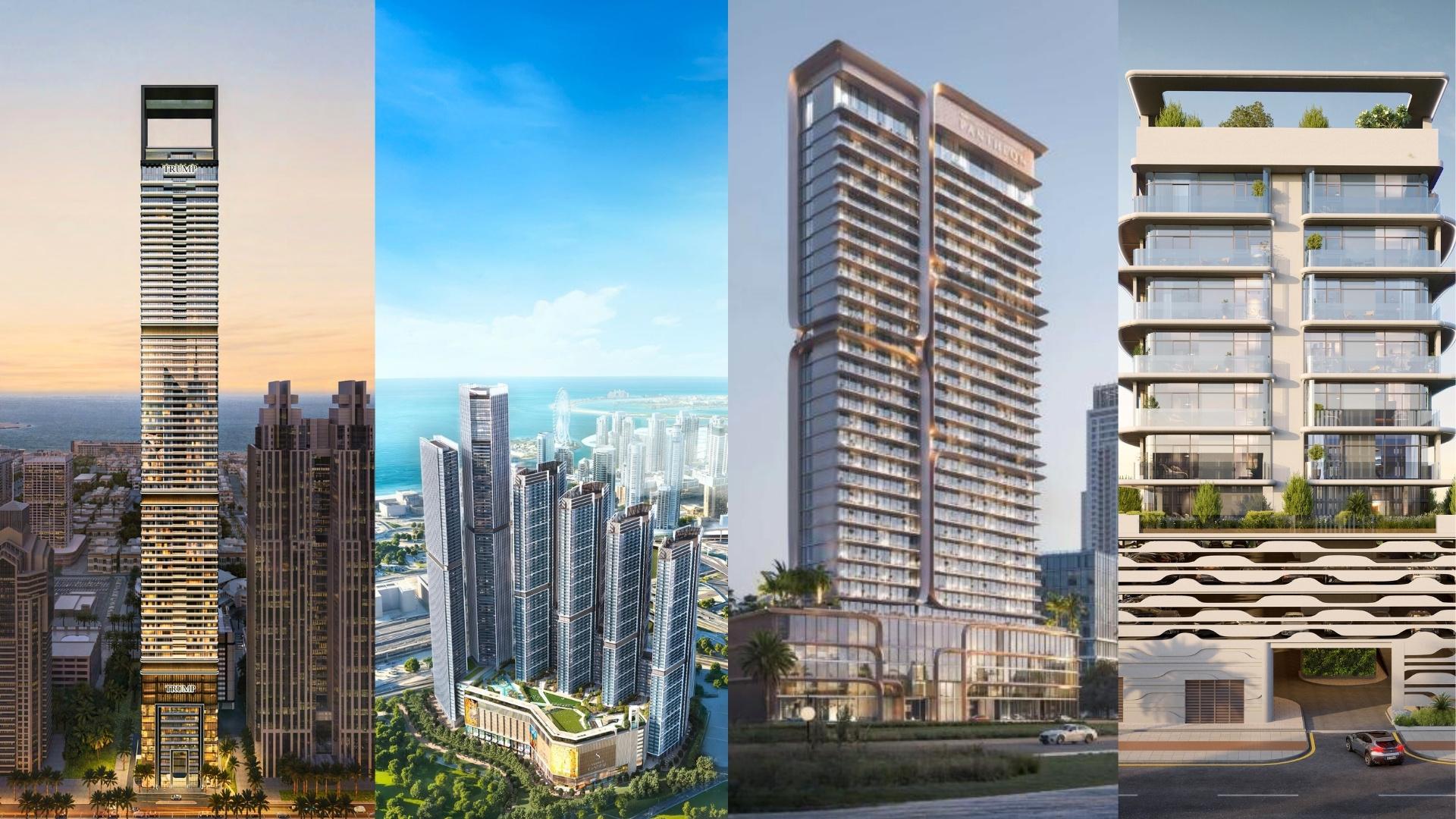
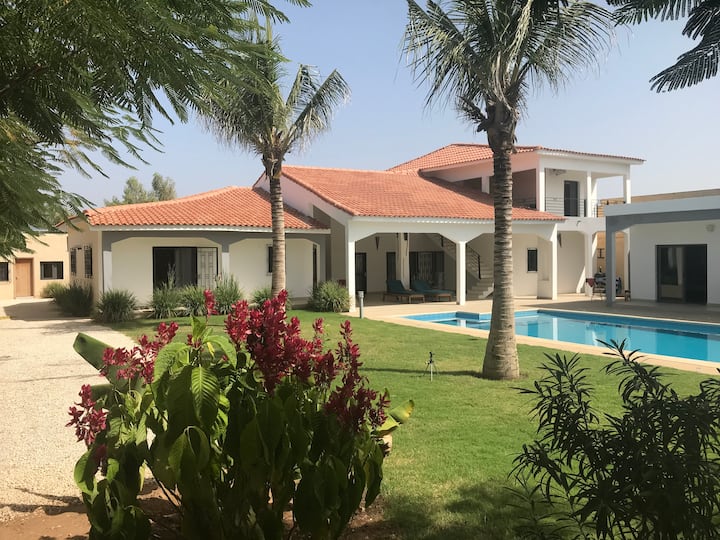
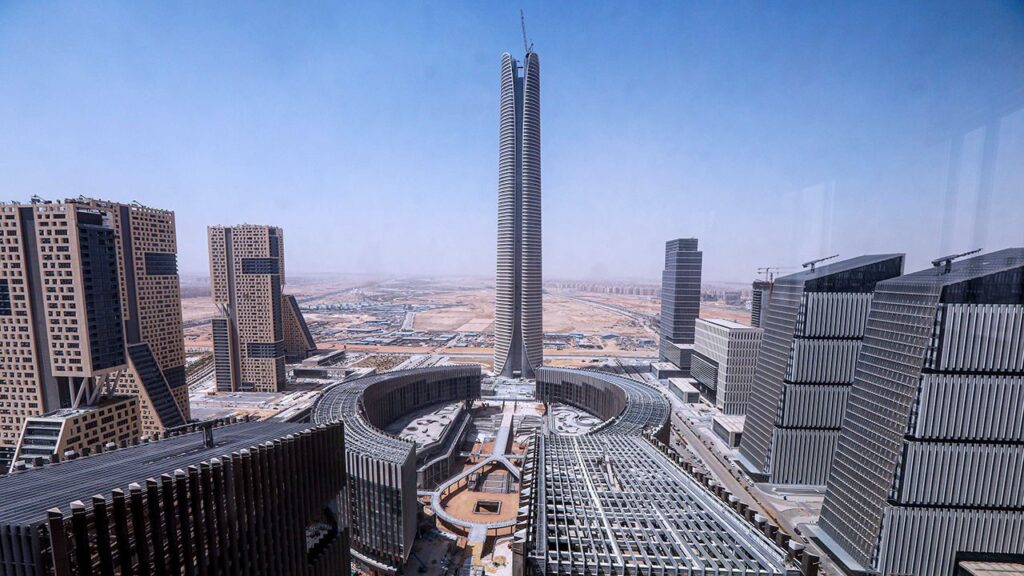
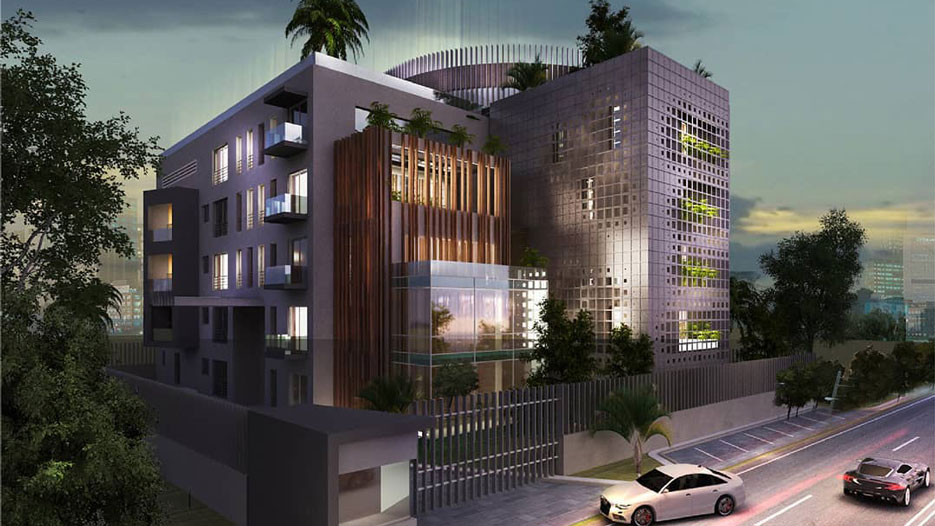
Ghana’s real estate market is no longer just growing — it’s exploding. From the plush corridors of East Legon and Airport Residential to the emerging enclaves of Oyibi and Prampram, the transformation is visible, rapid, and increasingly expensive.


Ghana’s real estate market is no longer just growing — it’s exploding. From the plush corridors of East Legon and Airport Residential to the emerging enclaves of Oyibi and Prampram, the transformation is visible, rapid, and increasingly expensive. But beneath the shiny glass buildings and glossy billboards lies a more complex question: who exactly is
driving this boom — and who’s really buying?
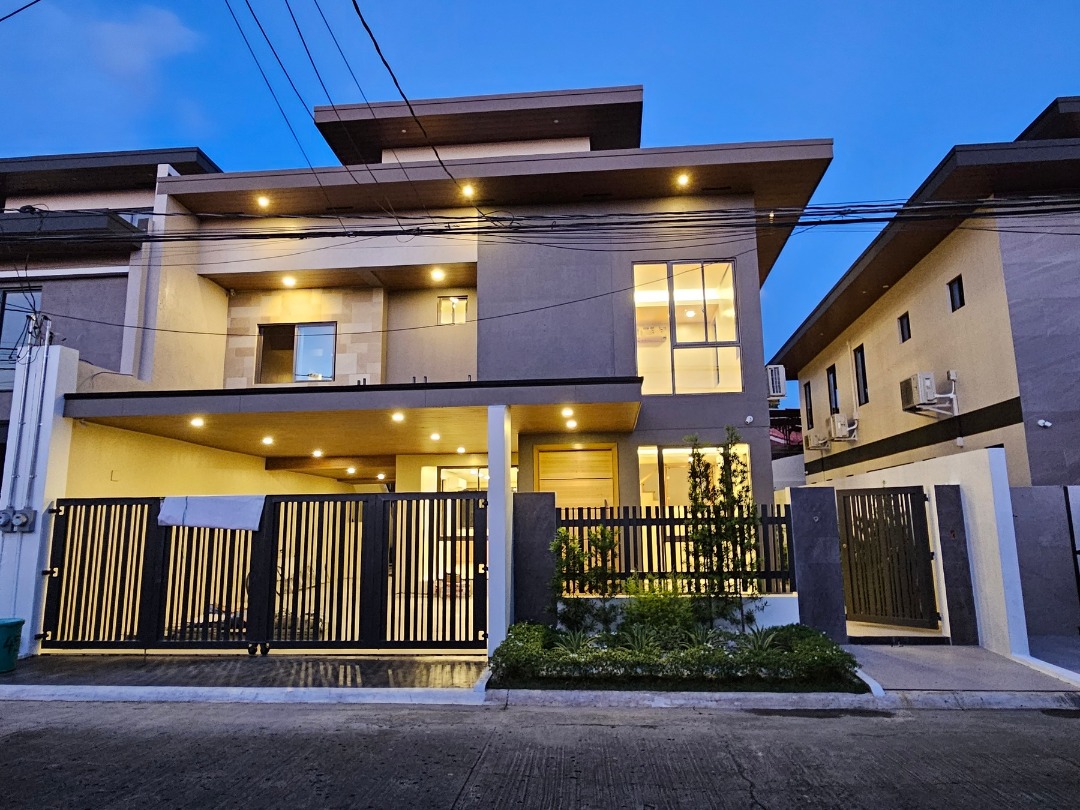
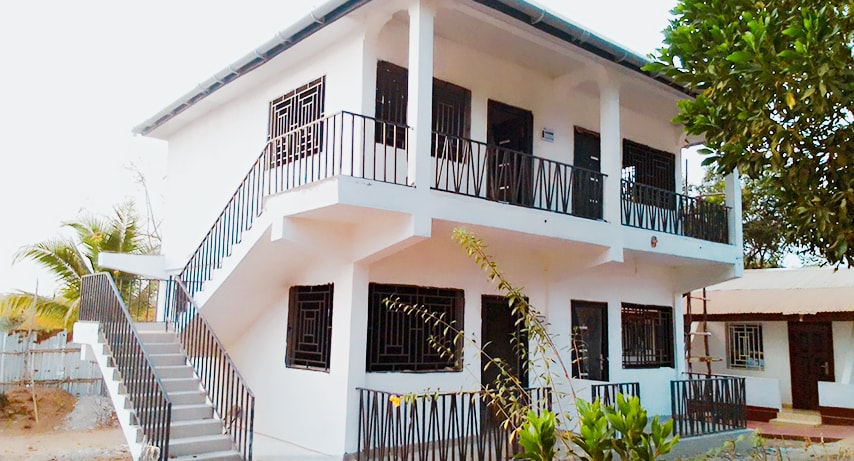
Property prices in Accra have surged dramatically. A two-bedroom home in the capital’s prime areas now fetches between $180,000 and $220,000, up from $120,000 in 2018 — a spike of up to 80%. In developing suburbs, values have leaped from GHS 60,000 to well over GHS 120,000 in just five years. Monthly rent for a modest one-bedroom in central Accra now ranges from $500 to $1,200, making the city one of the most expensive real estate hubs in West Africa.
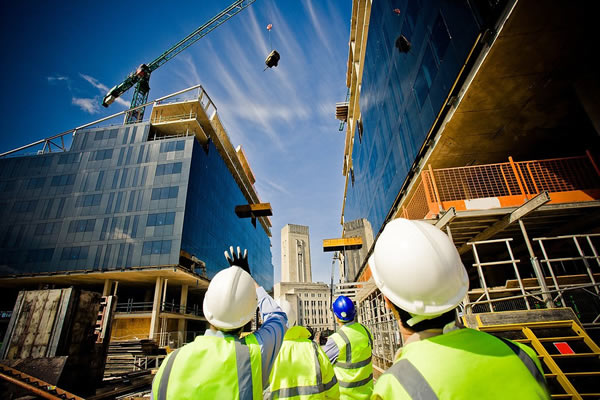
But while developers flood the skyline and dominate Out-of-Home (OOH) advertising with promises of “luxury,” “smart living,” and “investment returns,” the real power players are buying quietly — and carefully.
Who’s Buying?
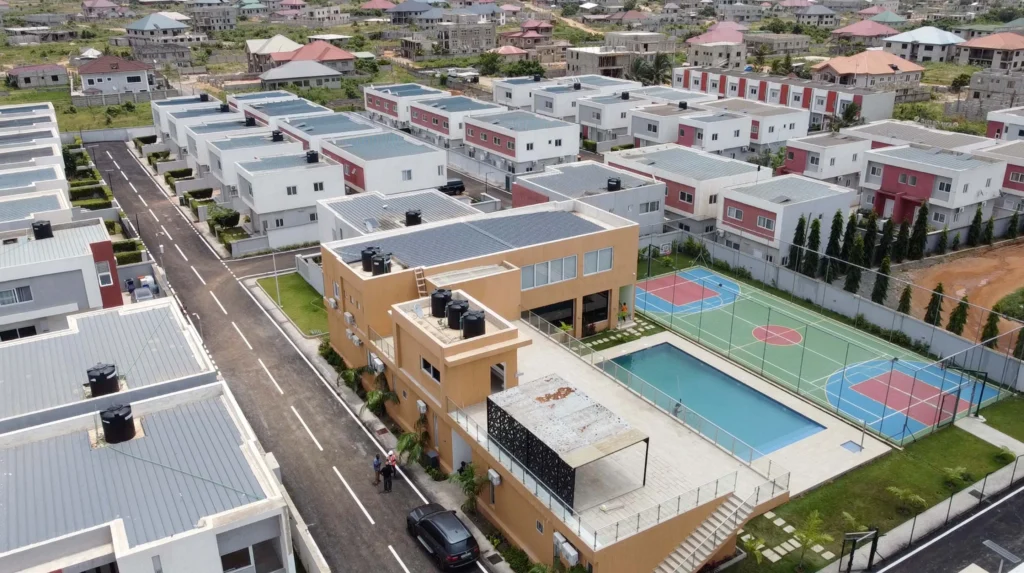
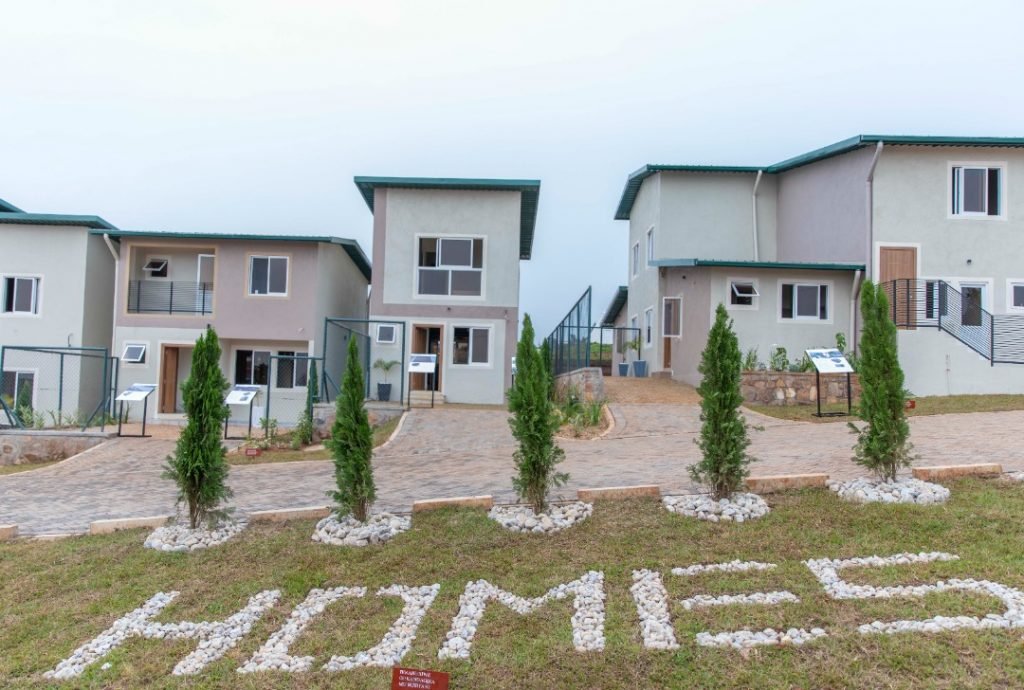
Diaspora Ghanaians top the list. With a growing appetite for homeownership back home, they’re fueling demand for gated communities and managed apartments. Corporate professionals in finance, tech, and oil are also entering the market, not just to live, but to invest. Then there are the returnees — Ghanaians relocating from Europe and North America — and a cadre of speculative investors flipping properties off-plan for profit.
Yet visibility doesn’t guarantee sales. The real buyers — well-researched, digital-savvy, and data-driven — are skipping the hype and consulting diaspora-focused agents or relying on referrals. The gap between advertising and actual conversion is widening. In Ghana’s real estate sector, trust and track record matter more than noise.
What Lies Ahead
The future will favour developers who embrace regulation, integrate technology, and respond to real needs. Blockchain land verification, digital mortgages, and AI-driven property services are no longer futuristic ideas — they’re becoming expectations. Diaspora-focused offerings with flexible payment plans and end-to-end management will gain traction. And while luxury housing remains in the spotlight, affordable housing is where the real long-term opportunity lies.
New hotspots are also emerging. As Accra’s core becomes saturated, areas like Prampram, Nsawam, Oyibi, and Amasaman — bolstered by new roads and infrastructure — are the next frontier.
Conclusion
Ghana’s real estate market is no longer a quiet goldmine. It’s a battleground. And while prices continue to climb, competition is intensifying, and buyers are getting smarter. In this arena, survival won’t depend on who shouts the loudest — but on who delivers real value with transparency, credibility, and vision.
For developers, this is the era to move from hype to substance. For buyers, it’s the time to be strategic. And for Ghana, it’s a moment of immense opportunity — if only the right players are watching.
Source : Property Express News -Joycelyn Marigold



What's Your Reaction?
 Like
-34
Like
-34
 Dislike
-1
Dislike
-1
 Love
-1
Love
-1
 Funny
0
Funny
0
 Angry
0
Angry
0
 Sad
1
Sad
1
 Wow
1
Wow
1