











:max_bytes(150000):strip_icc()/RD_LaurelWay_0111_F-35c7768324394f139425937f2527ca92.jpg)















































DR Congo ‘s Constriction Market Outlook
Despite this immense wealth, the country continues to grapple with deep-seated issues of governance, security, and infrastructure deficits that have slowed its economic transformation.



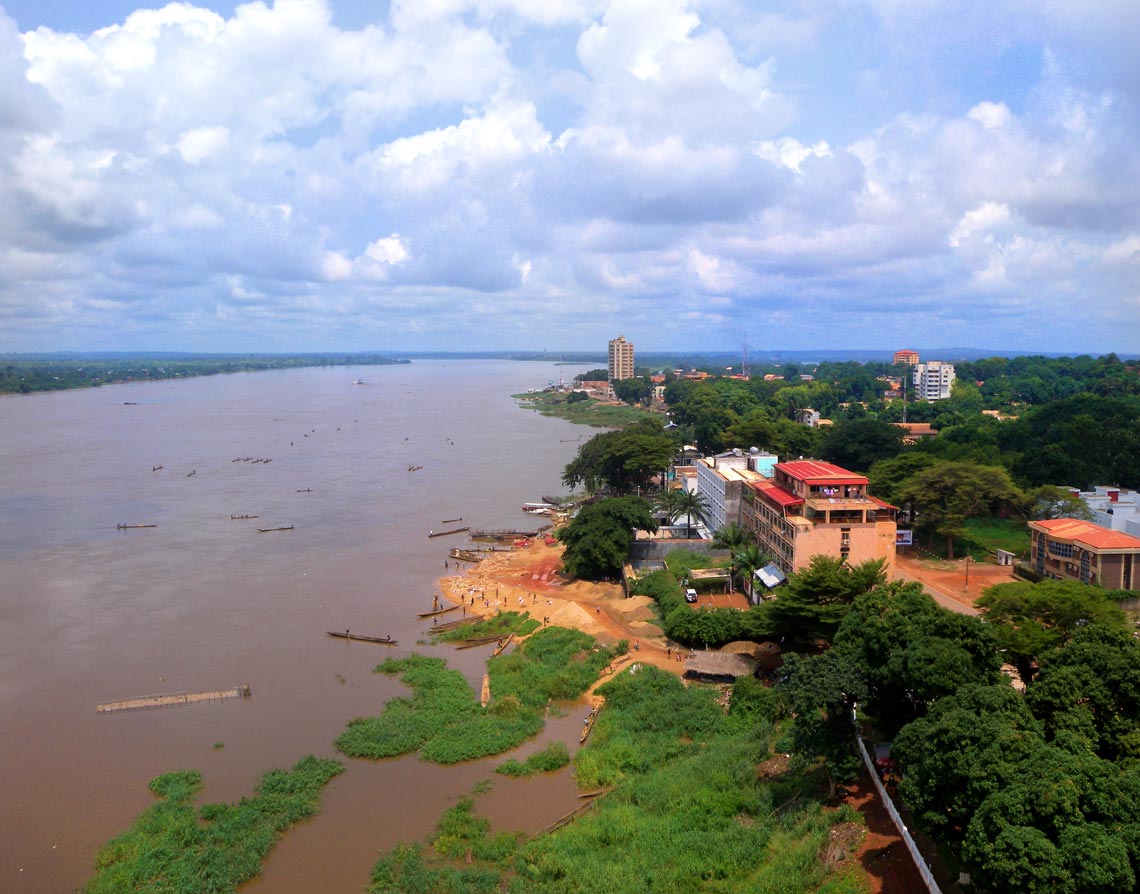
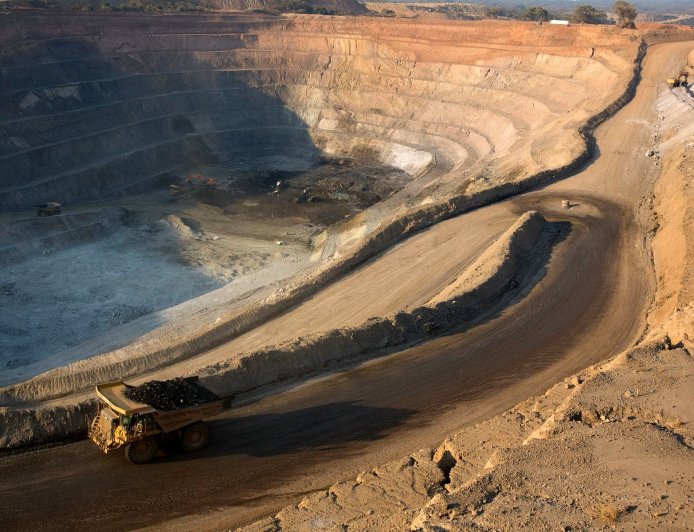
The Democratic Republic of the Congo, commonly referred to as the DRC or Congo-Kinshasa, is Africa’s second-largest country by land area and one of its most resource-rich nations. Kinshasa, its capital, lies directly across the Congo River from Brazzaville, making the two cities the closest national capitals in the world. The DRC is endowed with vast reserves of copper, cobalt, coltan, and other minerals, making it a global supplier of raw materials critical to industries such as electric vehicles and renewable energy.
Despite this immense wealth, the country continues to grapple with deep-seated issues of governance, security, and infrastructure deficits that have slowed its economic transformation.
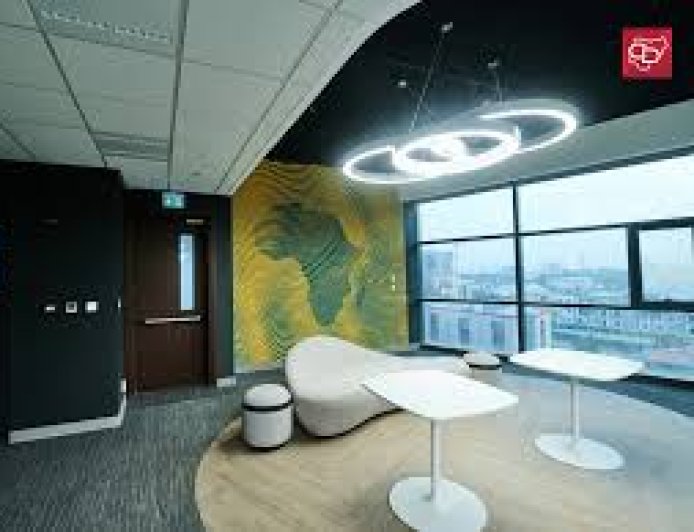
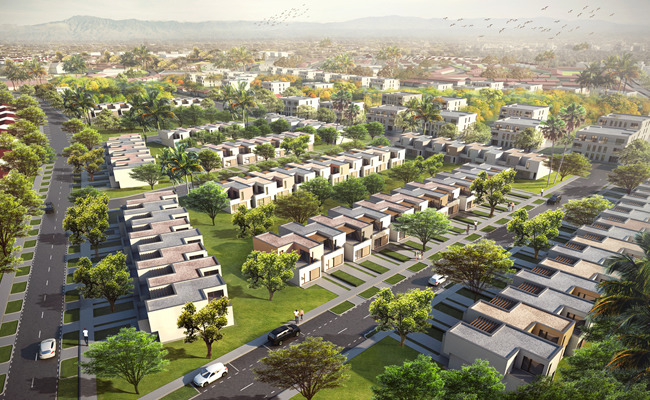
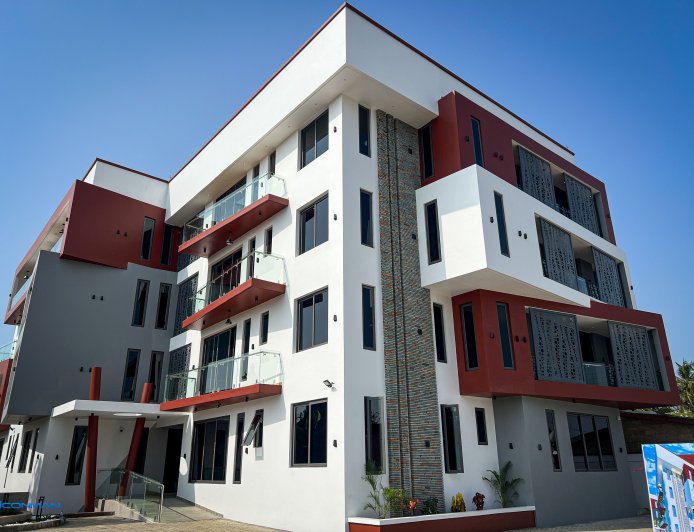
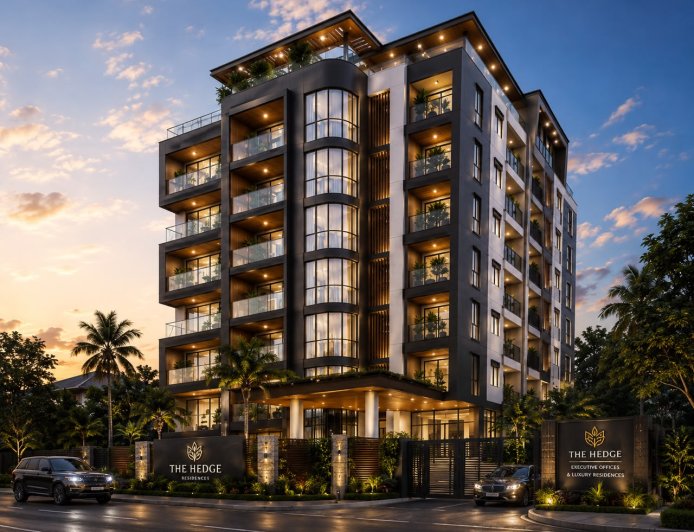
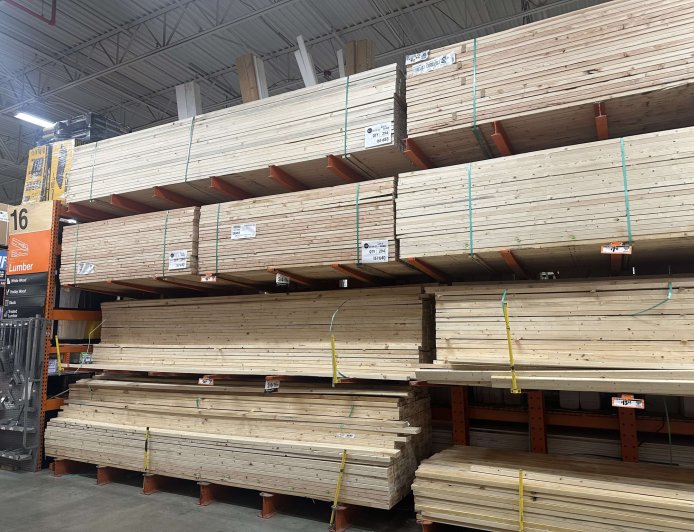
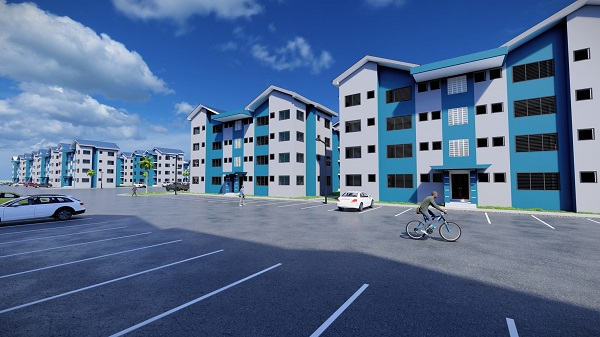
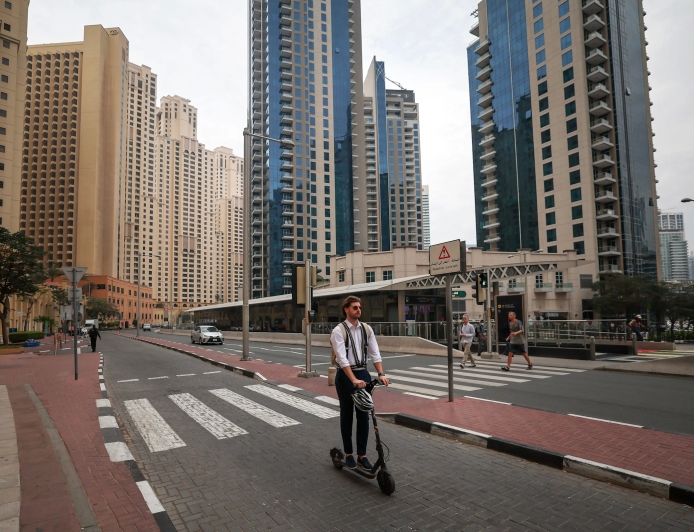
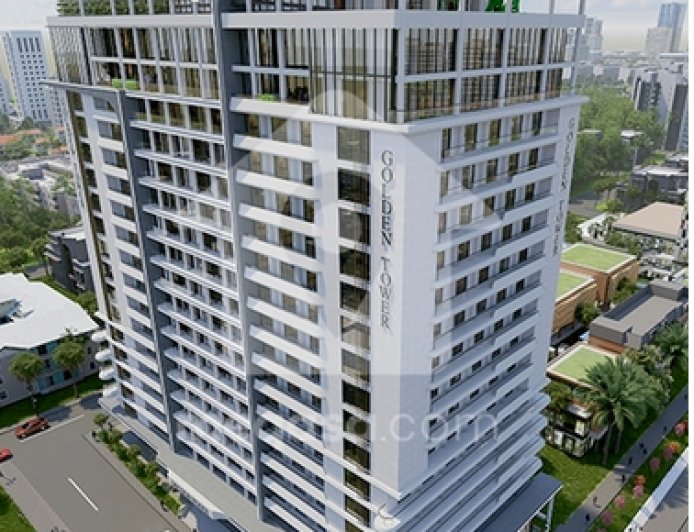
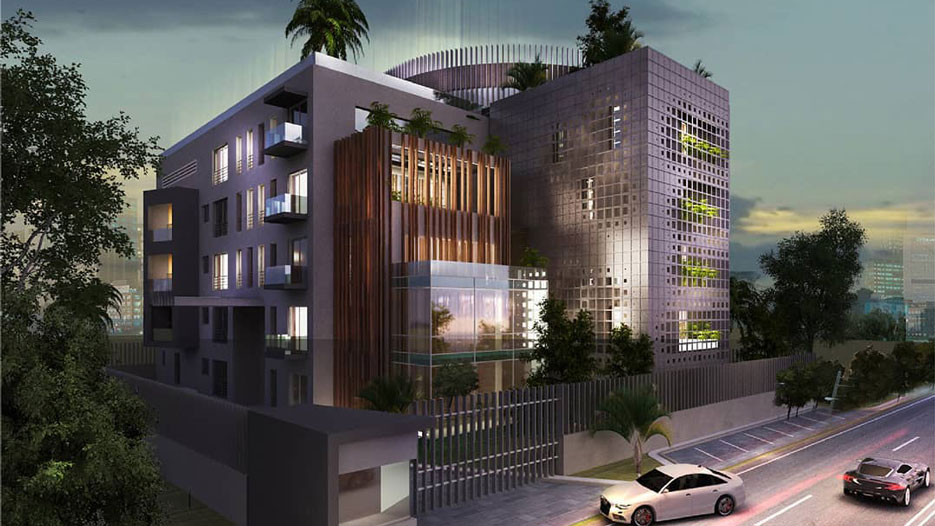
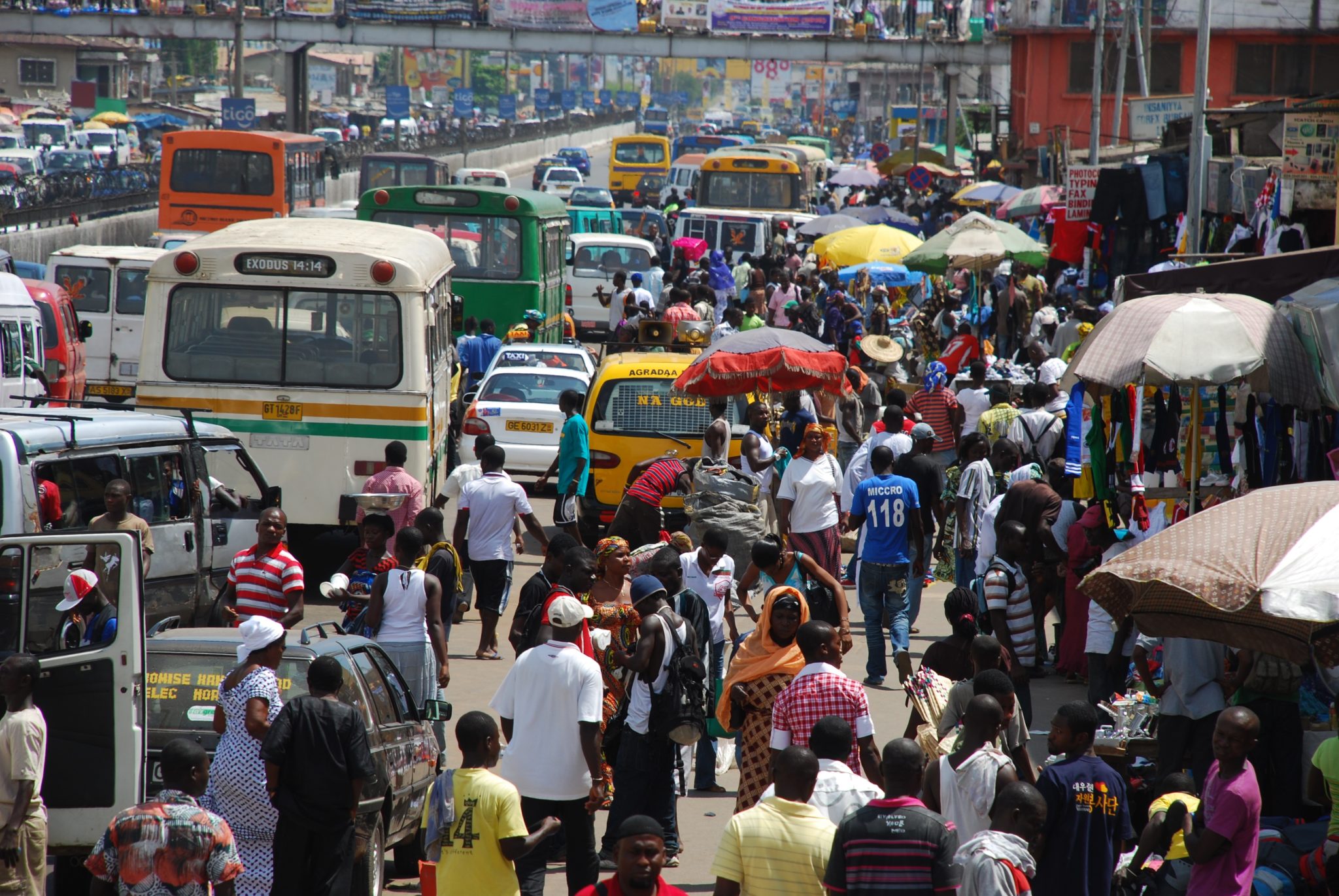
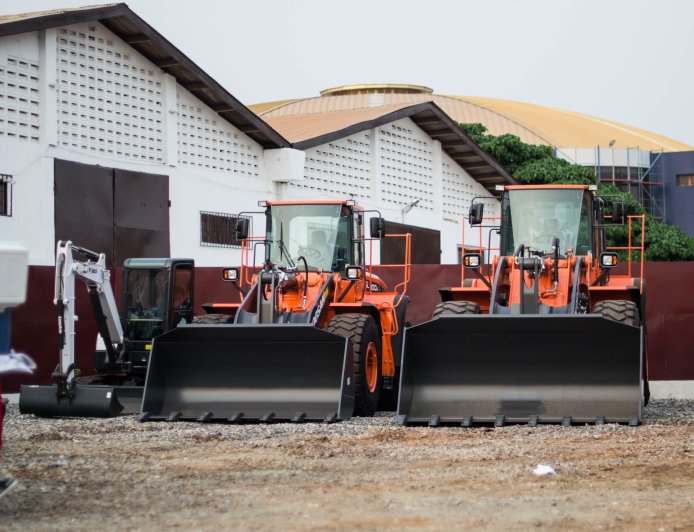
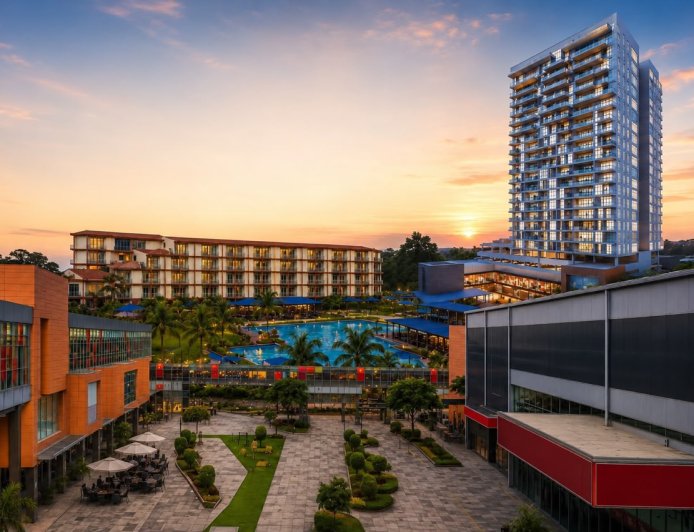
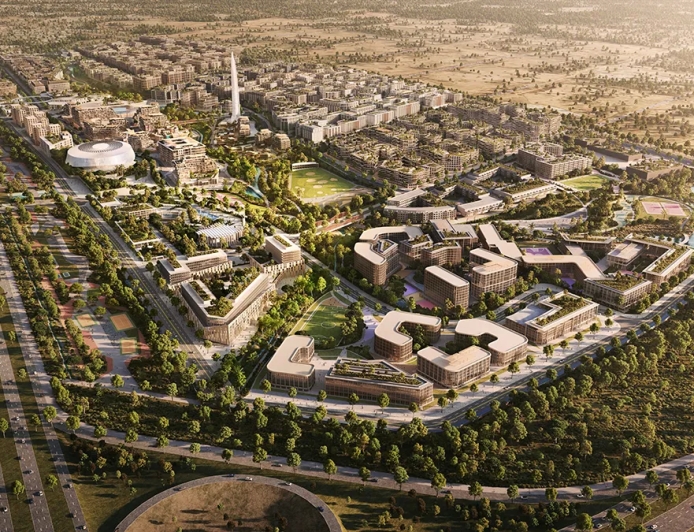
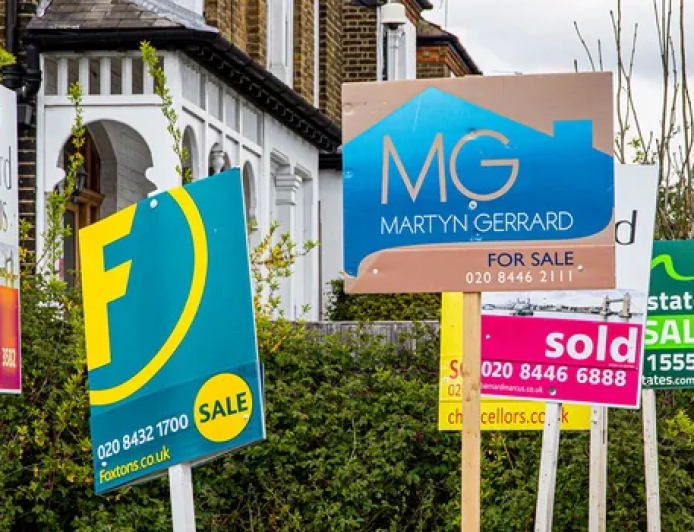
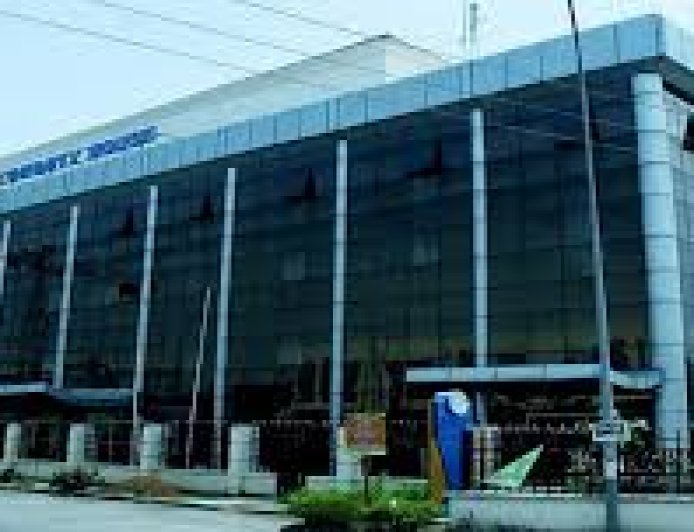
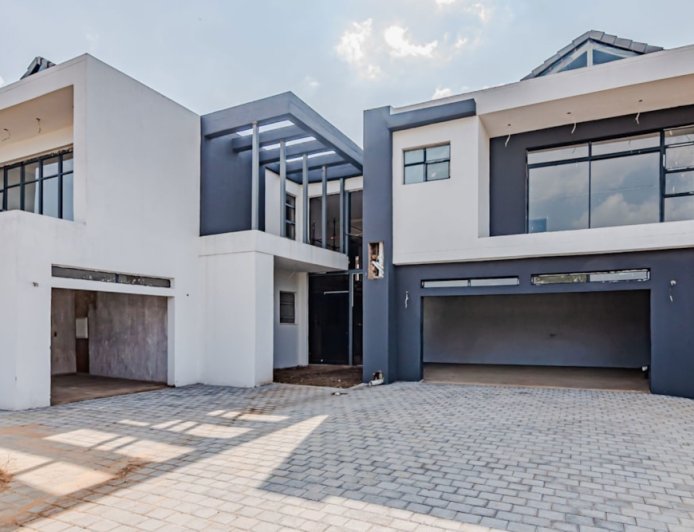
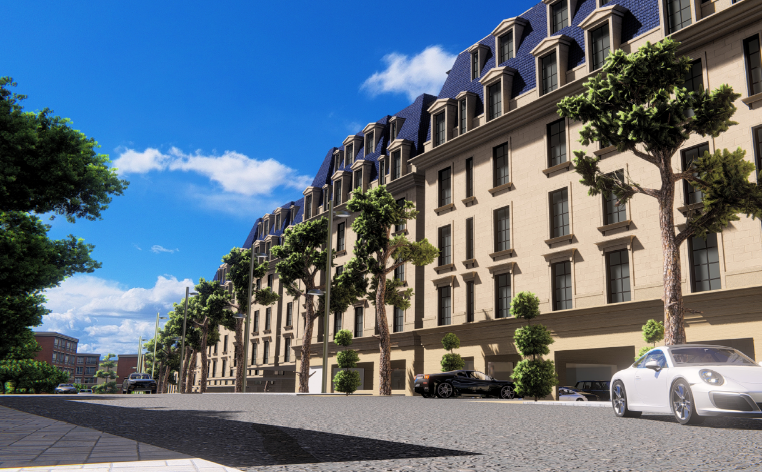
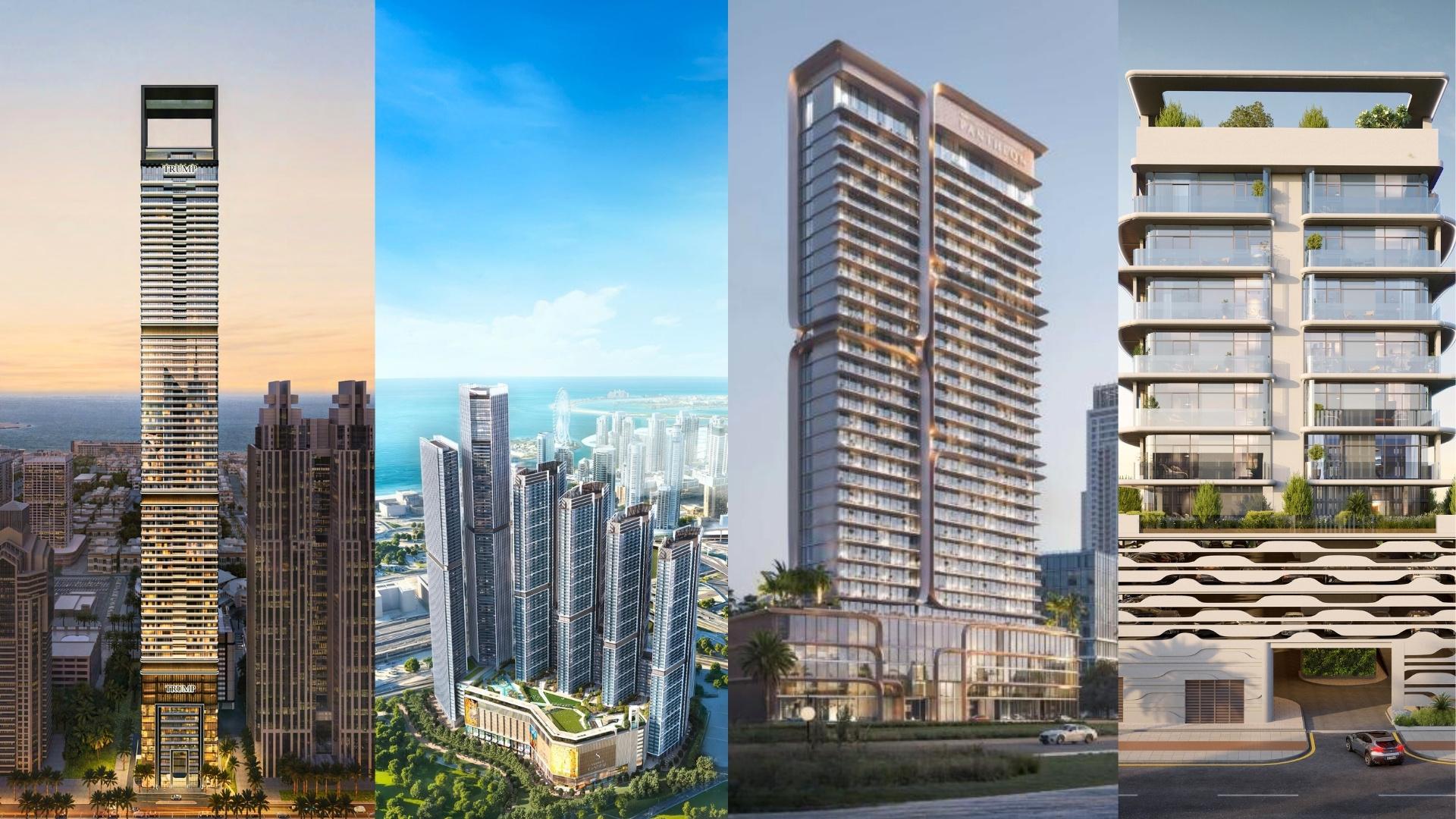
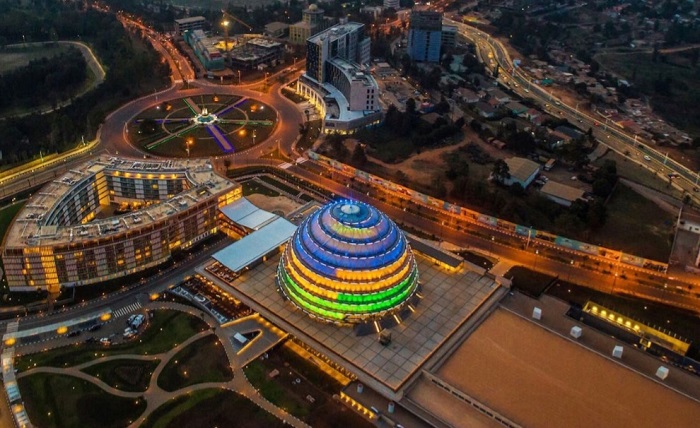
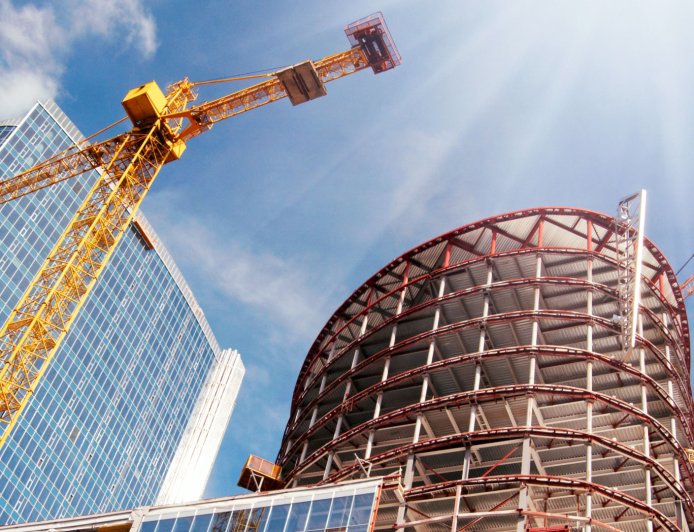
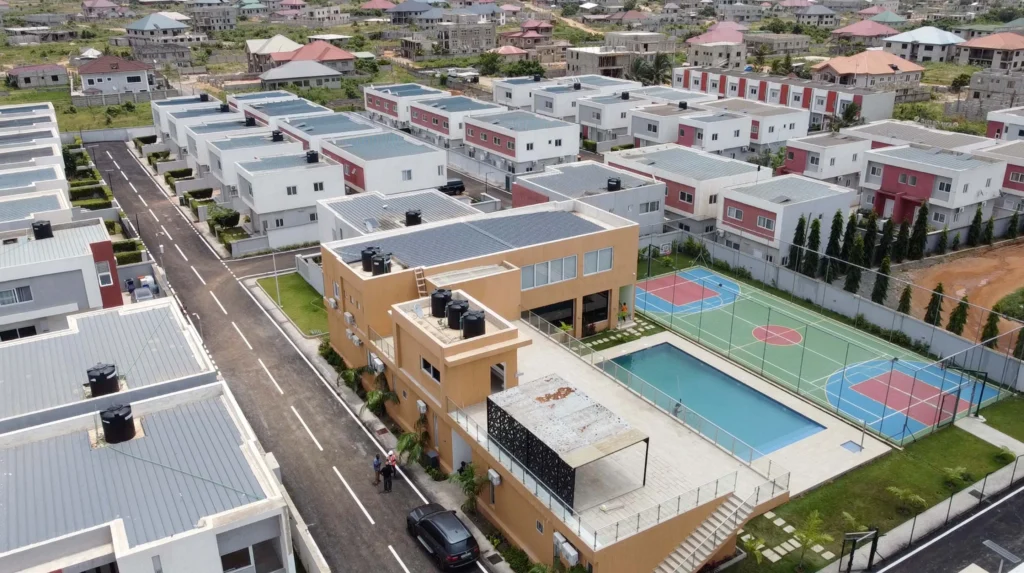
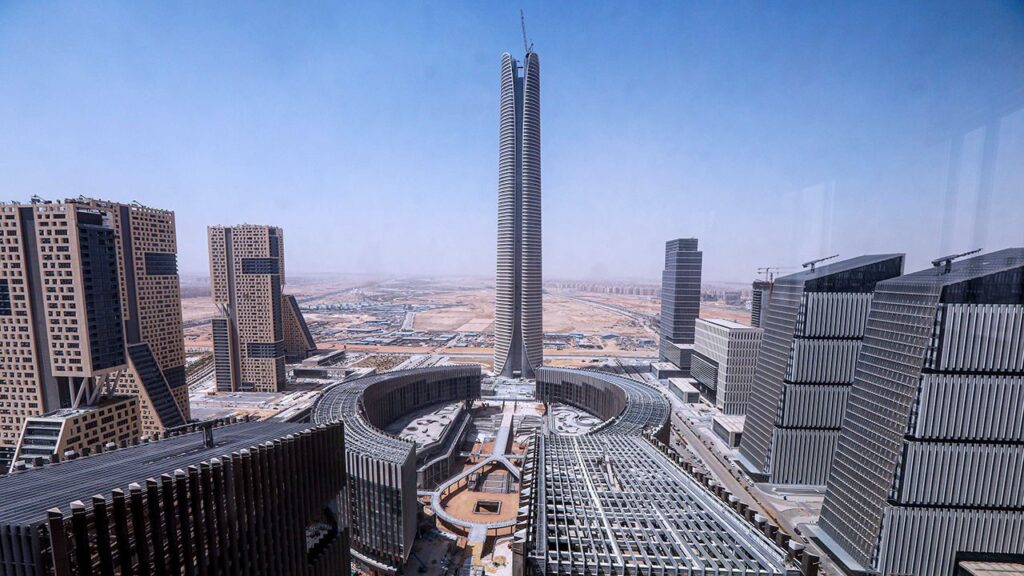
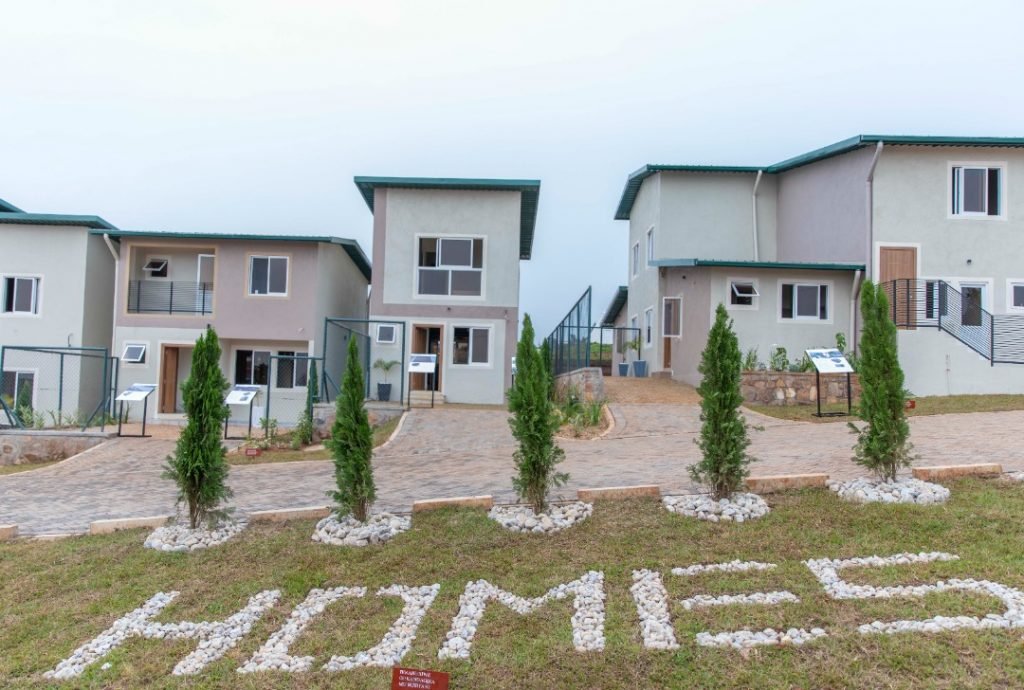
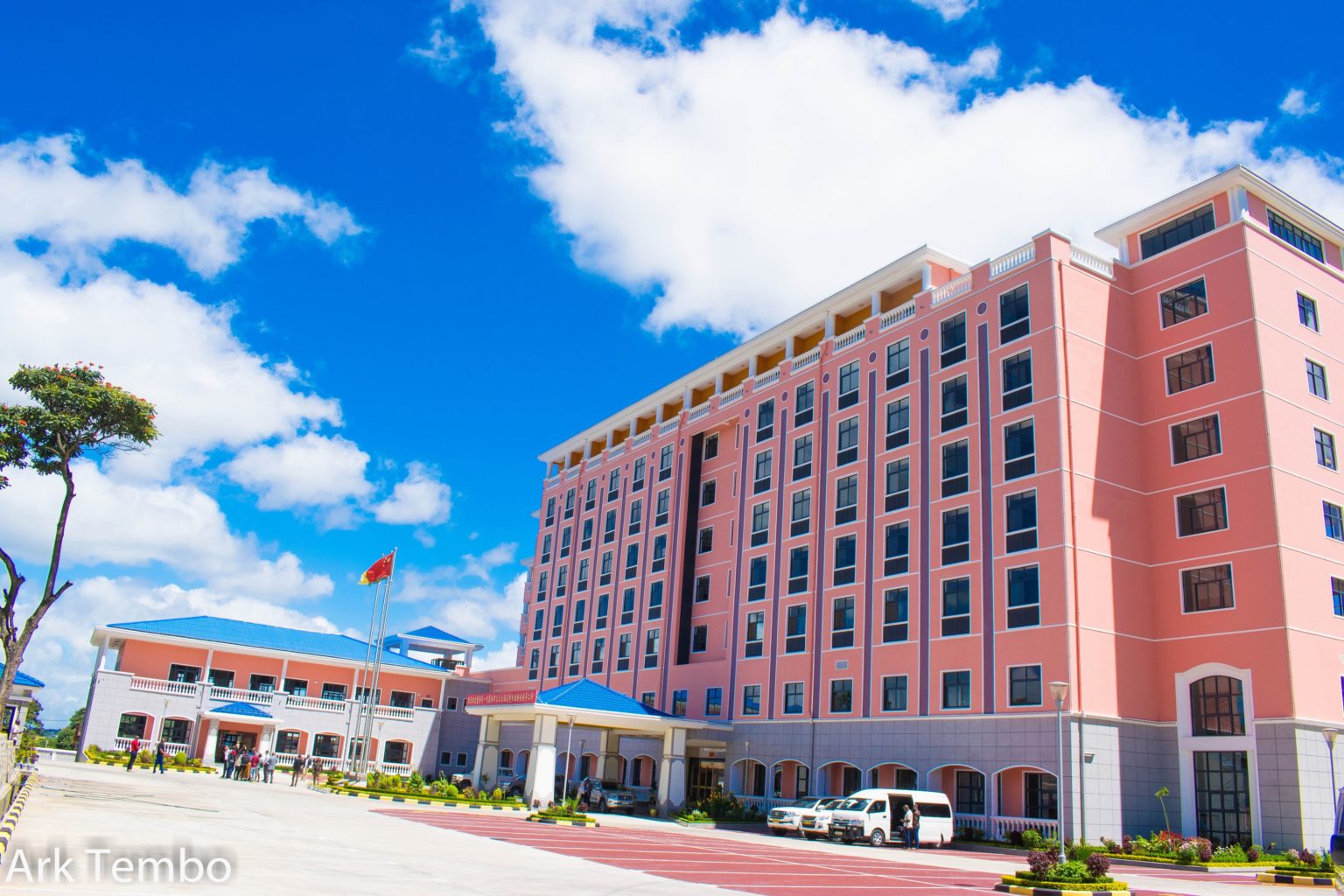
Construction in the DRC is both a necessity and an opportunity. Rapid urbanization is driving demand for new housing, commercial developments, and supporting infrastructure. Kinshasa alone is one of Africa’s fastest-growing cities, with millions of people migrating from rural areas each year. This migration has created acute housing shortages, forcing much of the population to live in informal settlements. For developers and investors, this represents a massive untapped market, ranging from low-cost housing projects to high-rise apartments and modern office complexes. Beyond housing, demand is also strong in the décor and finishes market, reflecting the rise of a middle class that is increasingly seeking lifestyle-oriented developments.
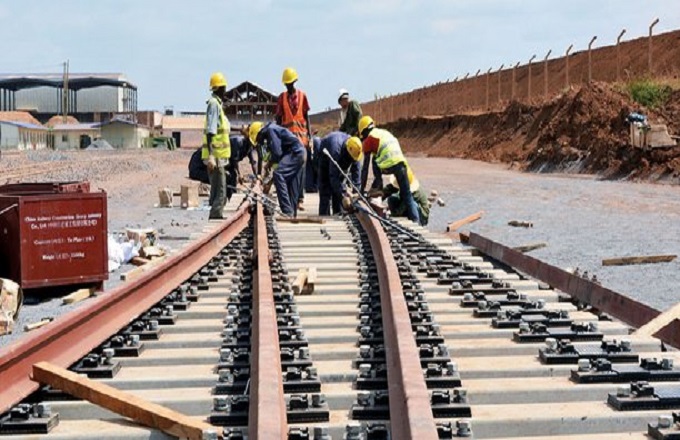
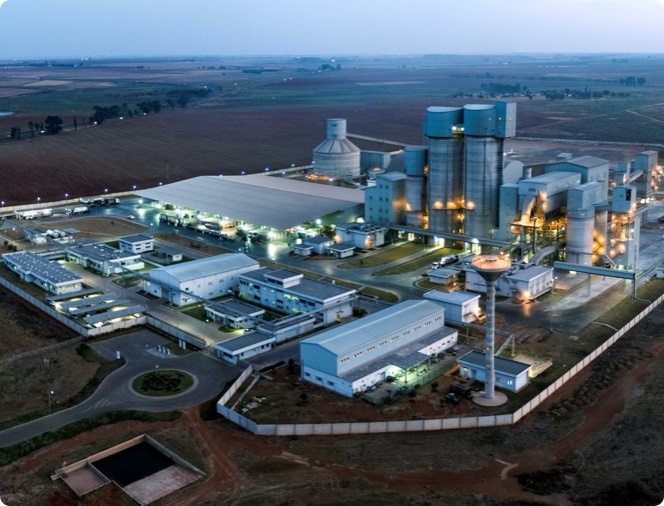
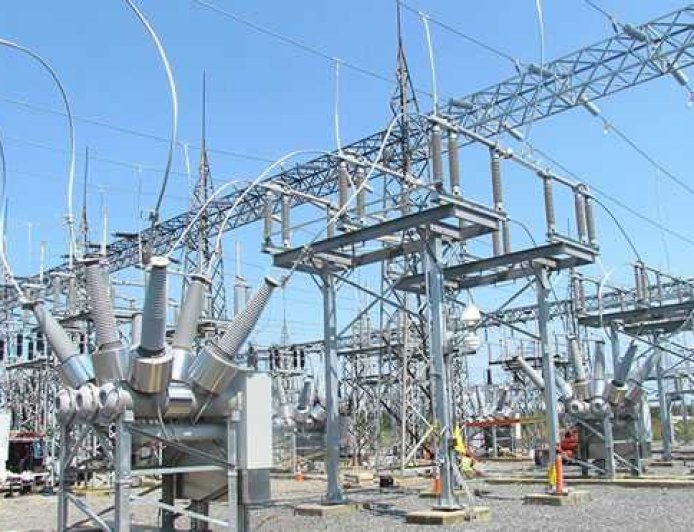
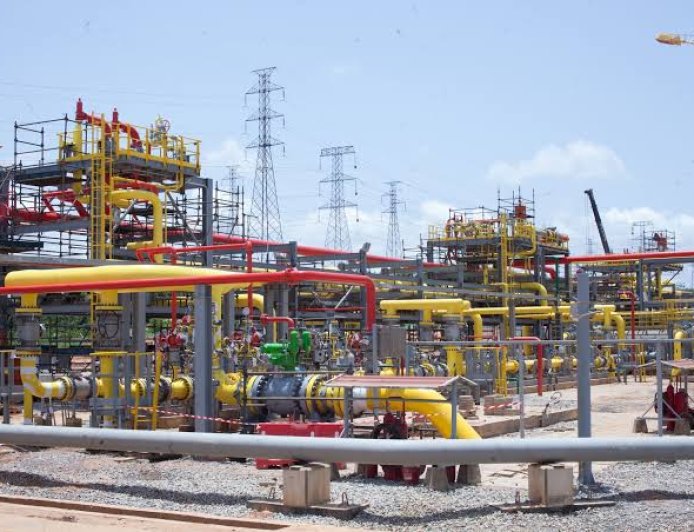
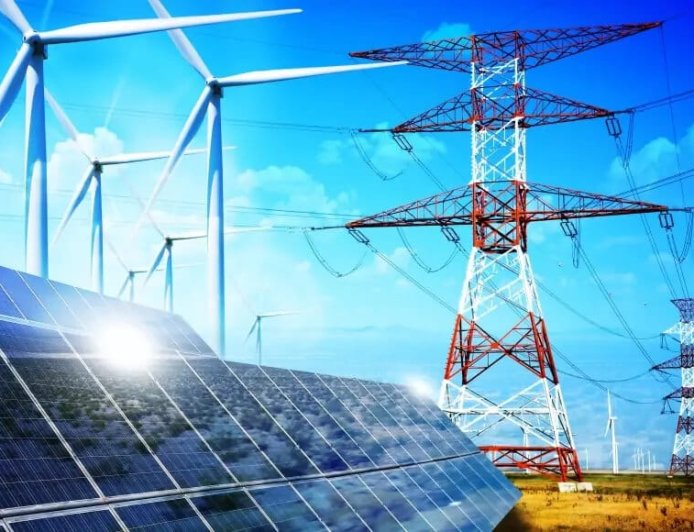
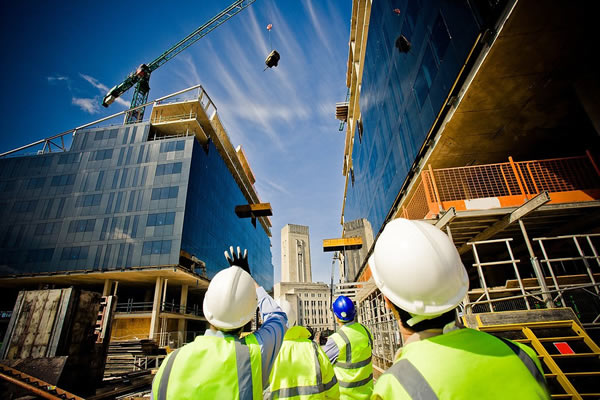
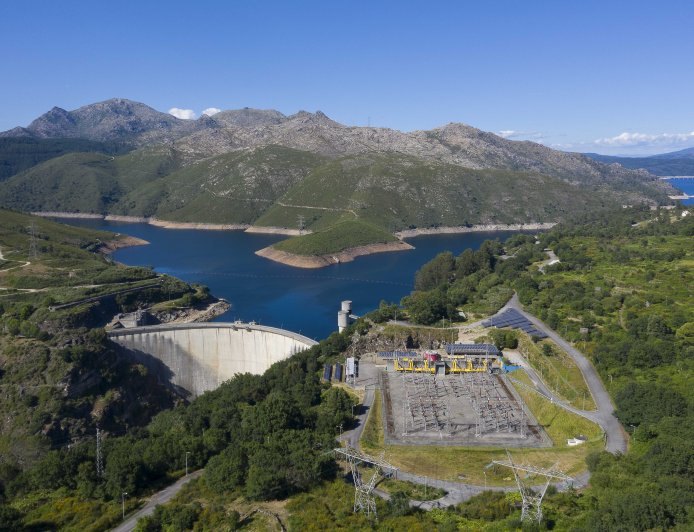
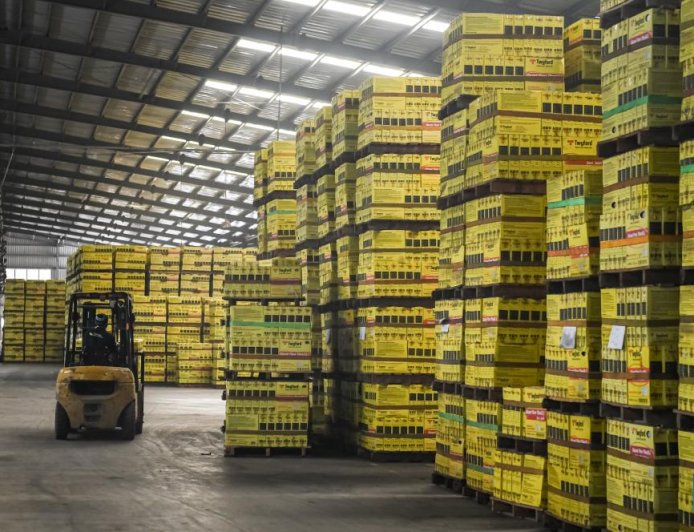
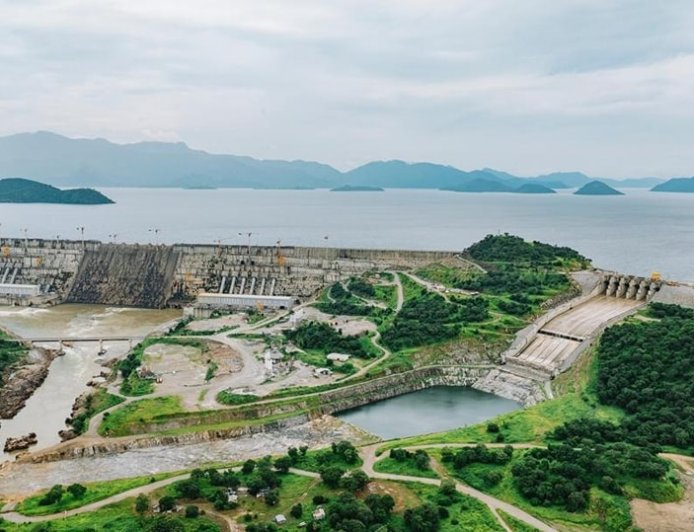
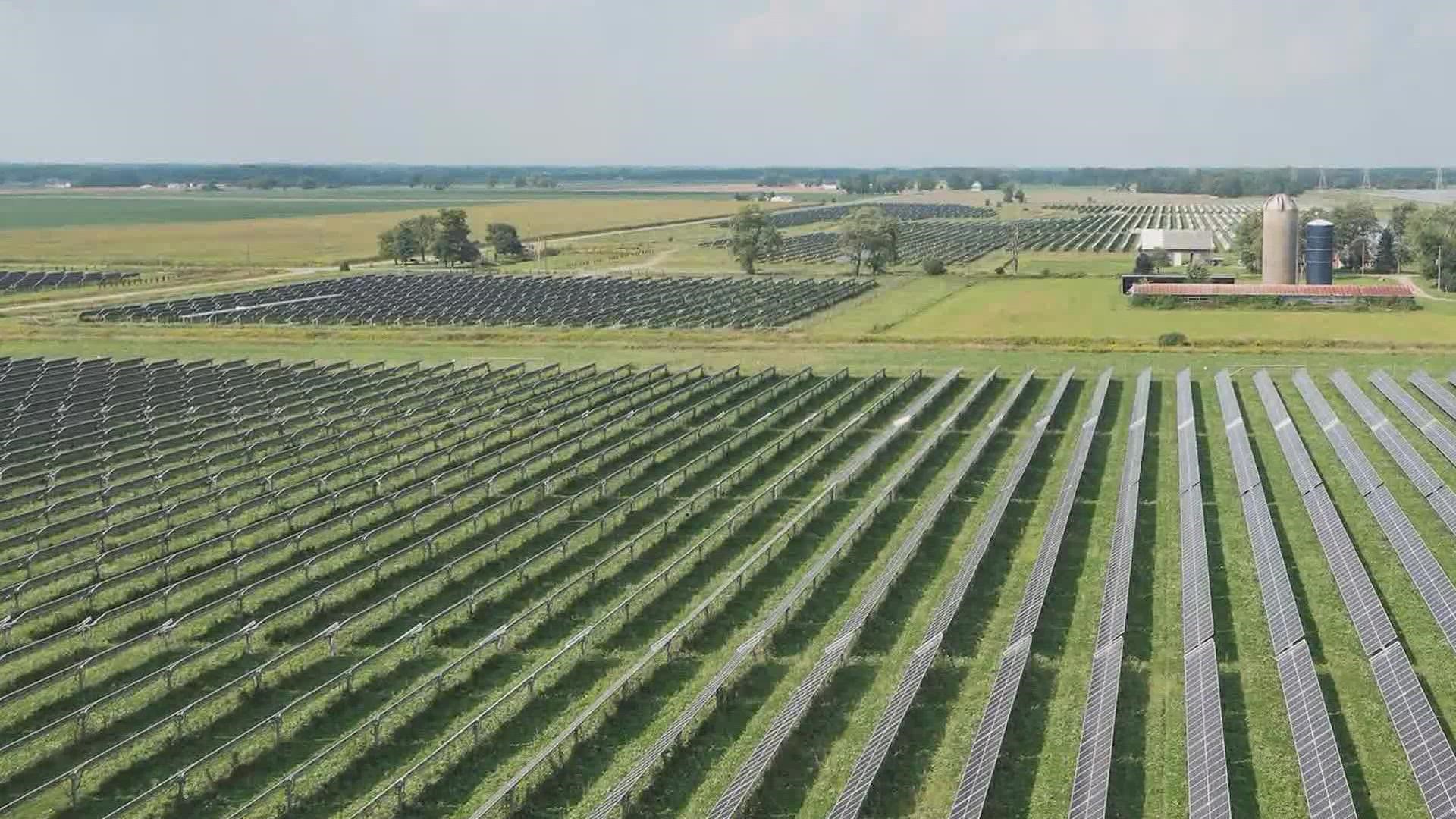
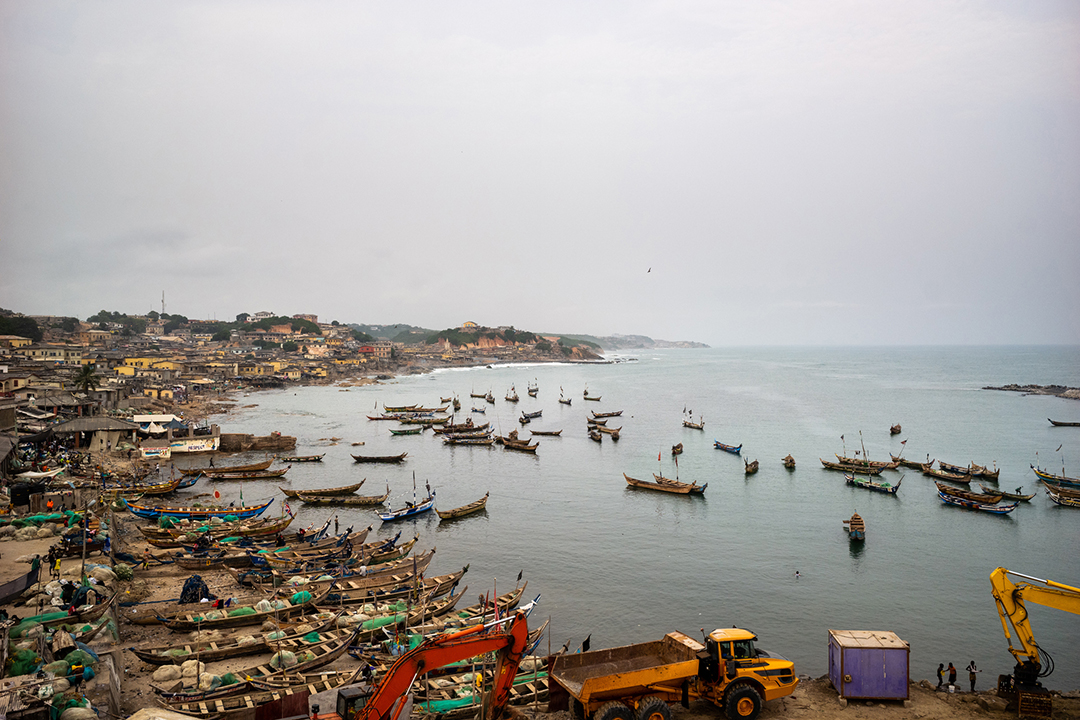
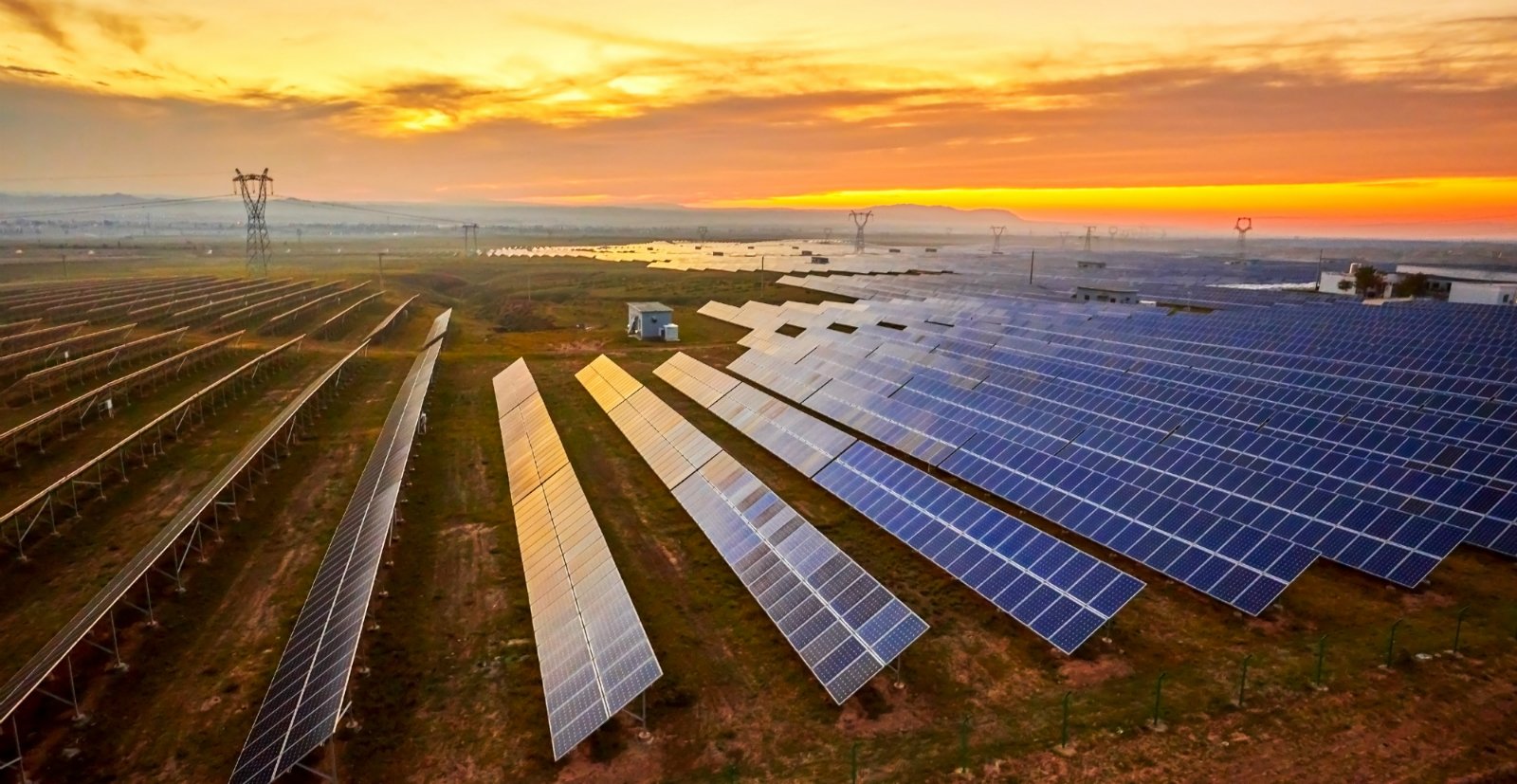
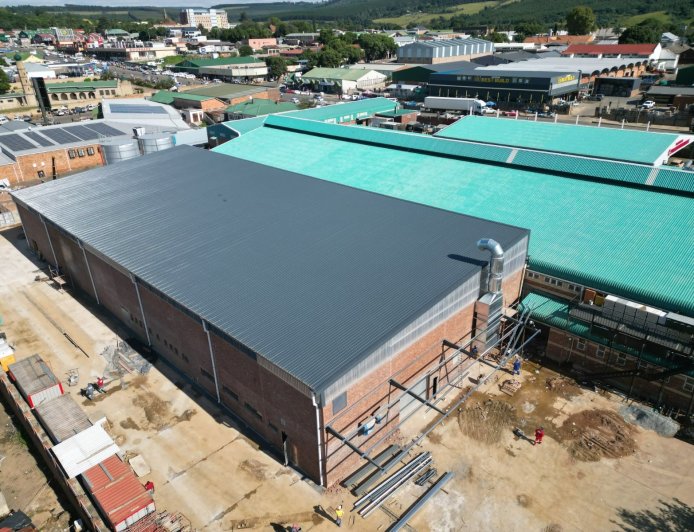
Energy and infrastructure projects form another cornerstone of construction activity in the DRC. The Green Giant Solar Power Station, a 1,000 megawatt facility with its first 200 megawatt phase expected in 2025, stands as one of the most ambitious renewable energy projects in Africa. It promises not only to enhance energy access but also to mobilize extensive construction and related services. At the same time, challenges in logistics remain formidable. Cement distribution, for example, often requires complicated transportation chains involving river barges, rail, and trucks, limiting efficiency and forcing plants to operate below full capacity. These bottlenecks contribute to high costs, even as the market shows immense growth potential.
Looking ahead, the DRC’s construction sector is expected to play a decisive role in sustaining the country’s projected GDP growth of around 5.6 percent in 2025. International investments, including partnerships linked to peace agreements with neighboring Rwanda, could further unlock large-scale infrastructure and real estate projects. However, the trajectory of growth will depend on overcoming persistent hurdles such as insecurity, weak regulatory frameworks, and inadequate infrastructure. If these issues are addressed, the DRC has the potential to become one of Africa’s largest construction markets, driven by its vast population, resource wealth, and urban expansion.
Source : African Property Magazine Digital


What's Your Reaction?
 Like
0
Like
0
 Dislike
0
Dislike
0
 Love
0
Love
0
 Funny
0
Funny
0
 Angry
0
Angry
0
 Sad
0
Sad
0
 Wow
0
Wow
0