





:max_bytes(150000):strip_icc()/RD_LaurelWay_0111_F-35c7768324394f139425937f2527ca92.jpg)












































Burkina Faso’s Sustainable Architecture: A Fusion of Tradition, Climate Resilience, and Community Empowerment
Burkina Faso stands out as a beacon of sustainable building innovation in West Africa, where architecture is not only environmentally conscious but deeply rooted in cultural identity and community needs. The country’s approach blends traditional techniques with modern design principles to create structures that are climate-resilient, resource-efficient, and socially inclusive.



Burkina Faso stands out as a beacon of sustainable building innovation in West Africa, where architecture is not only environmentally conscious but deeply rooted in cultural identity and community needs. The country’s approach blends traditional techniques with modern design principles to create structures that are climate-resilient, resource-efficient, and socially inclusive.
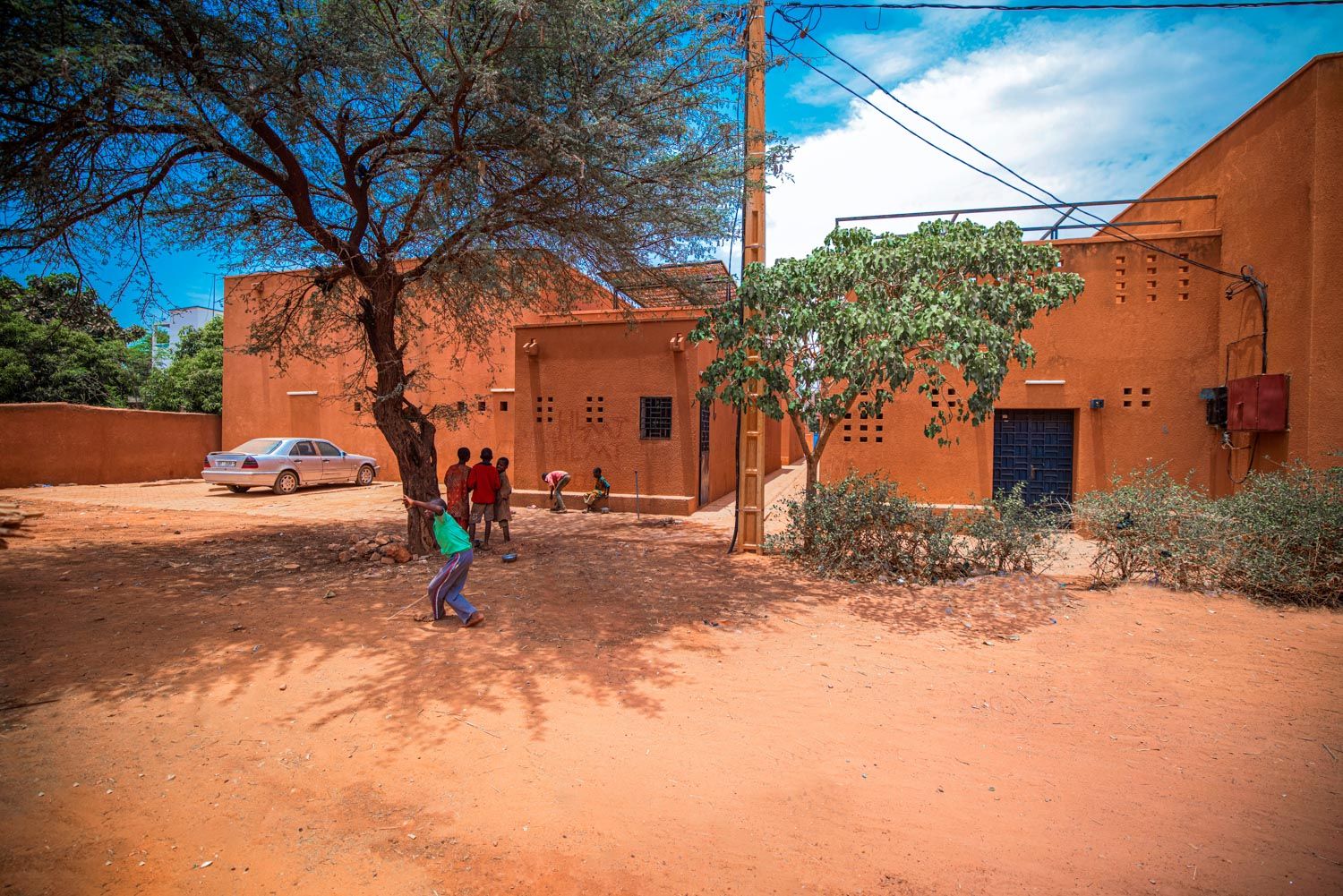
One of the most celebrated examples is the Lycée Schorge Secondary School in Koudougou, designed by the internationally acclaimed Kéré Architecture. Built using locally sourced laterite bricks that are sun-dried rather than fired, the school exemplifies low-carbon construction. These bricks absorb heat during the day and release it at night, naturally regulating indoor temperatures without the need for air conditioning. A secondary façade made of eucalyptus wood wraps around the classrooms, creating shaded outdoor spaces and reducing solar gain—an elegant solution to Burkina Faso’s intense heat.
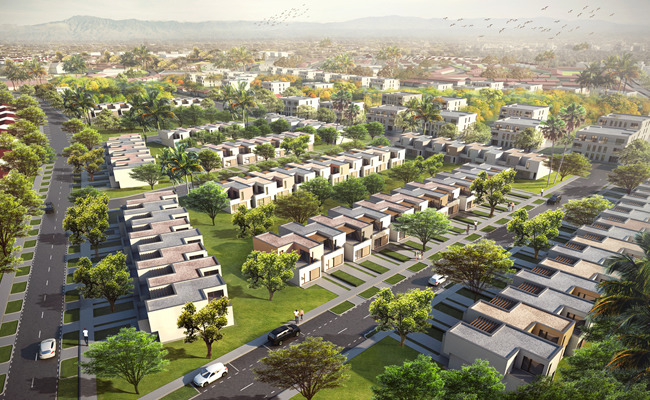
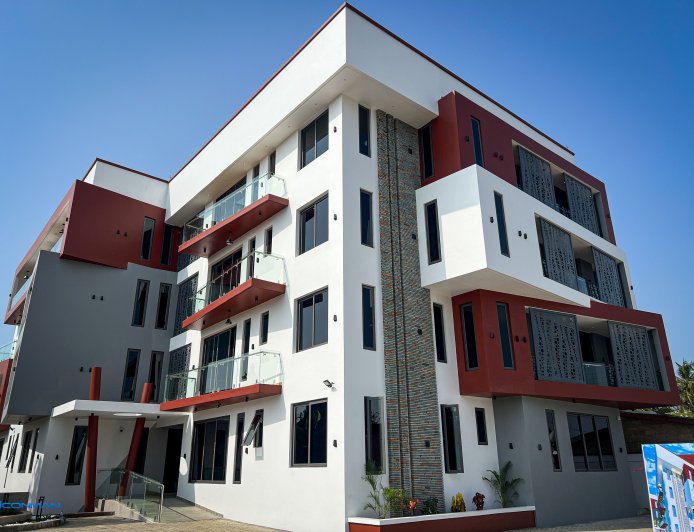
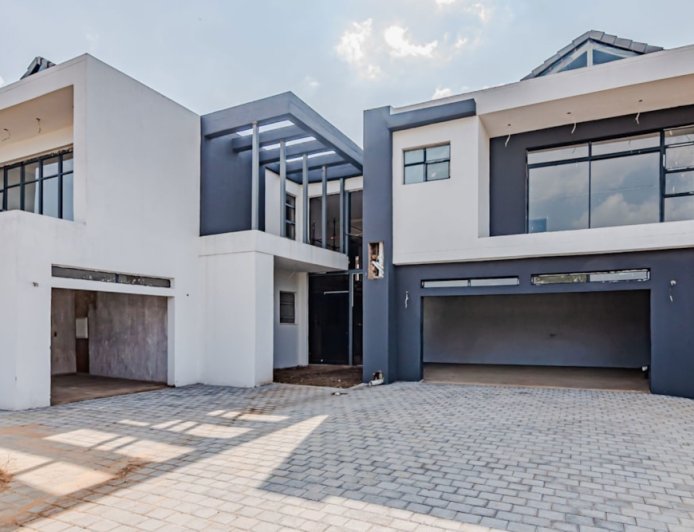
Traditional building methods, such as adobe and mud construction, remain central to rural housing and public infrastructure. These materials are not only abundant and affordable but also offer excellent thermal insulation. In urban centers like Ouagadougou, architects are increasingly integrating passive solar design, recycled materials, and natural ventilation systems into new developments. The result is a growing portfolio of green buildings that harmonize with the landscape while minimizing energy consumption.
Burkina Faso’s commitment to sustainable construction is institutional as well. The Green Building Council of Burkina Faso promotes eco-friendly design through education, training, and certification programs. Events like the International Festival of Earthen Architecture celebrate indigenous techniques and encourage innovation in natural material use. These initiatives are vital as the country prepares for rapid urban growth, with experts projecting that 70% of Africa’s building stock by 2040 is yet to be constructed.
Ultimately, Burkina Faso’s sustainable building practices are more than technical solutions—they’re expressions of resilience, creativity, and cultural pride. As climate challenges intensify across the Sahel, Burkina Faso’s architectural philosophy offers a compelling model for how tradition and innovation can converge to build a greener, more equitable future.
Source : African Property Magazine -Digital , Burkina Faso


What's Your Reaction?
 Like
0
Like
0
 Dislike
0
Dislike
0
 Love
0
Love
0
 Funny
0
Funny
0
 Angry
0
Angry
0
 Sad
0
Sad
0
 Wow
0
Wow
0