












:max_bytes(150000):strip_icc()/RD_LaurelWay_0111_F-35c7768324394f139425937f2527ca92.jpg)










































































Equatorial Guinea’s Real Estate Market Balances Promise and Risk in 2025
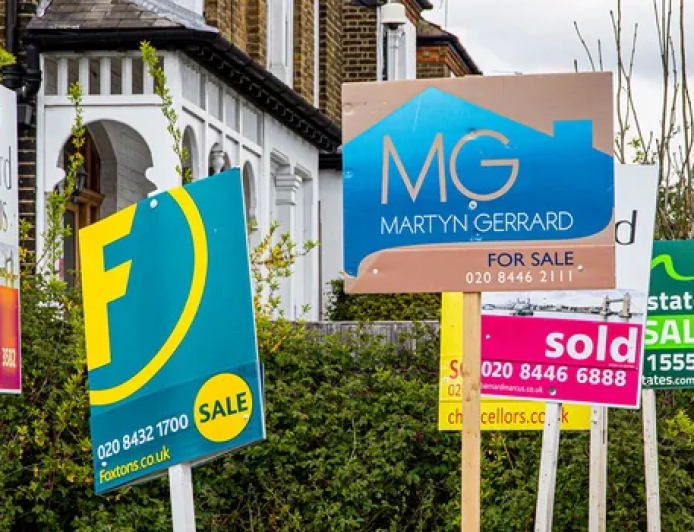
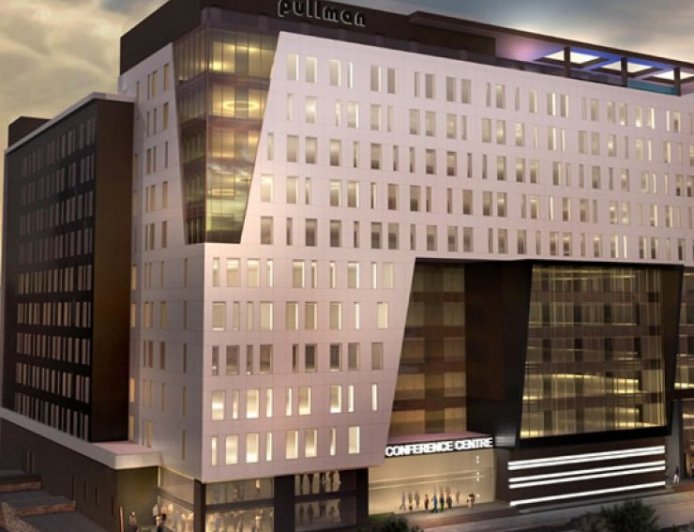
Equatorial Guinea’s real estate market has emerged as one of Central Africa’s most dynamic but challenging sectors, with its value projected at USD 29.55 billion in 2025



Equatorial Guinea’s real estate market has emerged as one of Central Africa’s most dynamic but challenging sectors, with its value projected at USD 29.55 billion in 2025.
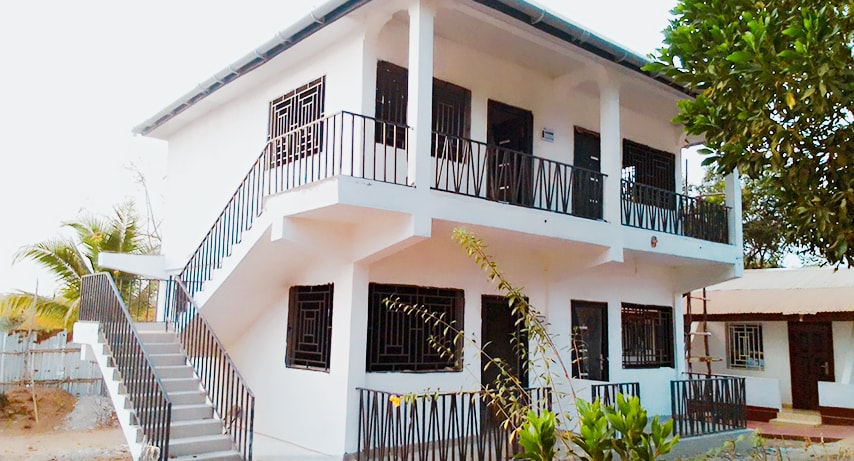
The residential segment dominates activity, contributing USD 20.70 billion and expected to grow at a compound annual growth rate of 4.84 percent through 2029, when it is forecast to reach USD 25 billion. Residential leasing shows even stronger momentum, with revenues set to expand from USD 892 million in 2025 to USD 1.20 billion by 2029, reflecting a growth rate of 7.63 percent. By contrast, the commercial sector remains largely stagnant, with forecasts of USD 8.85 billion in 2025 and only marginal increases thereafter.
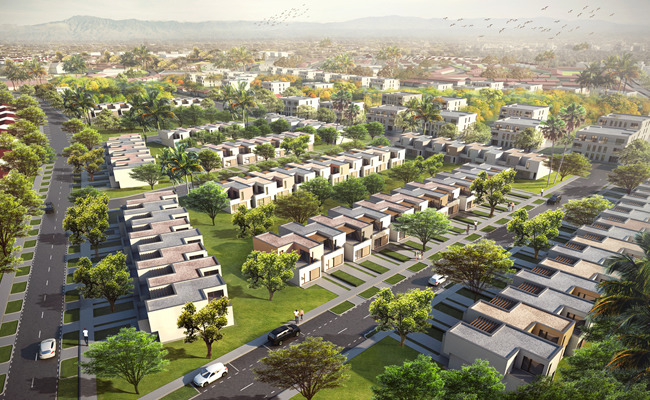
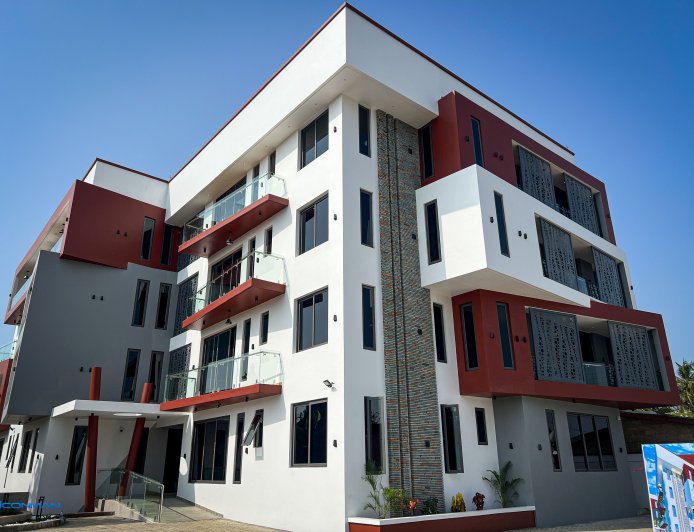
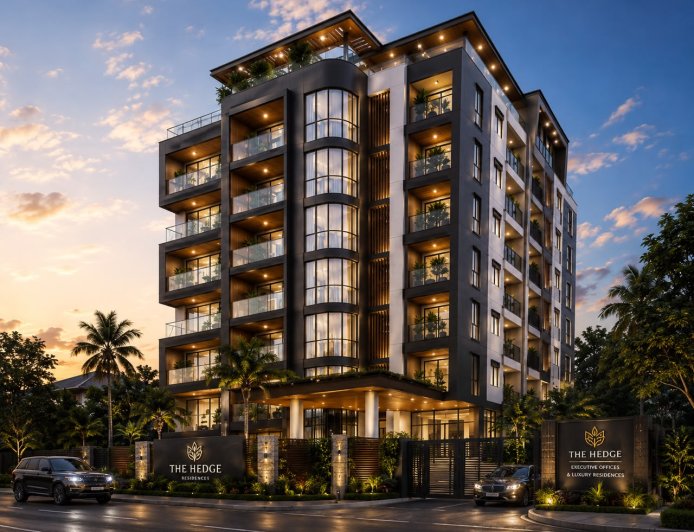
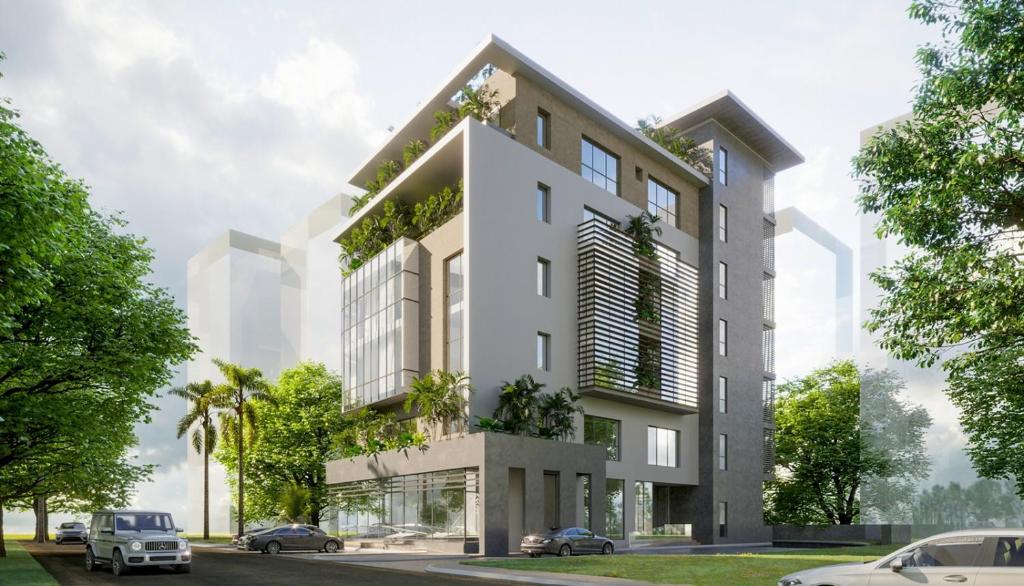
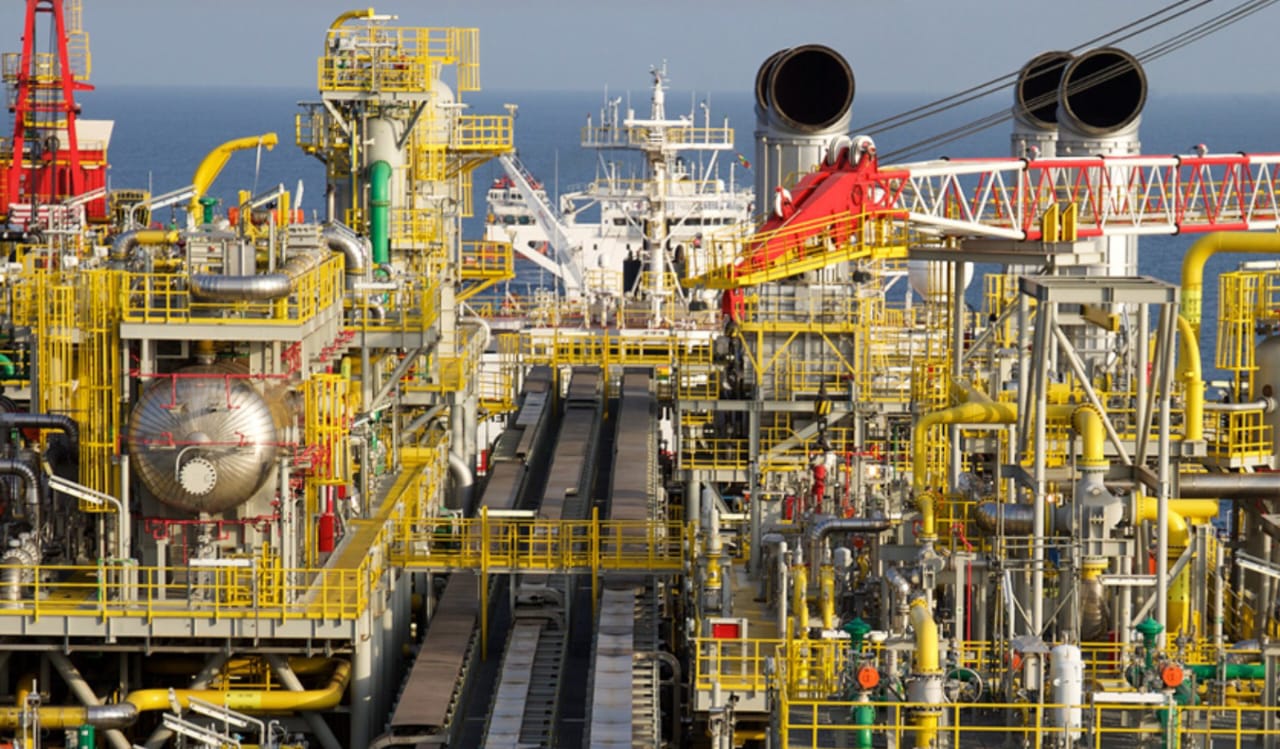
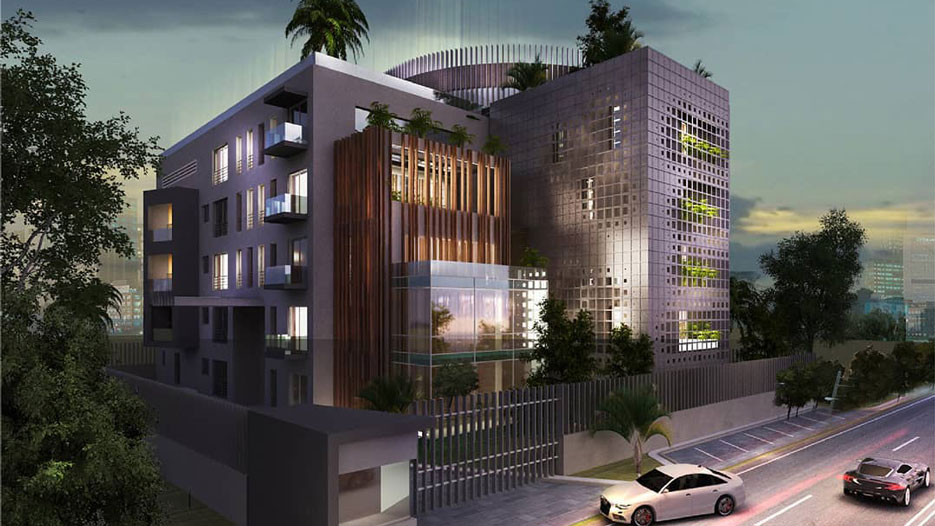
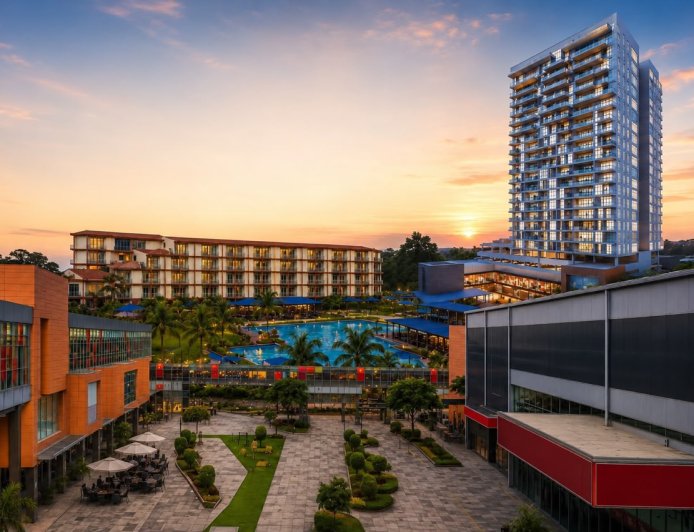
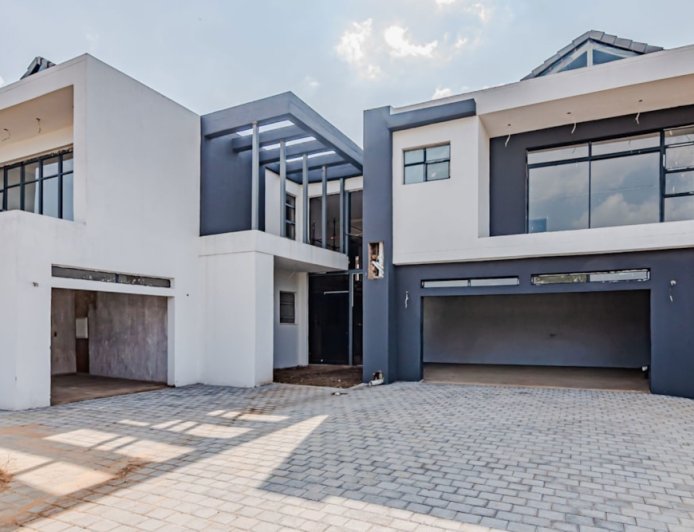
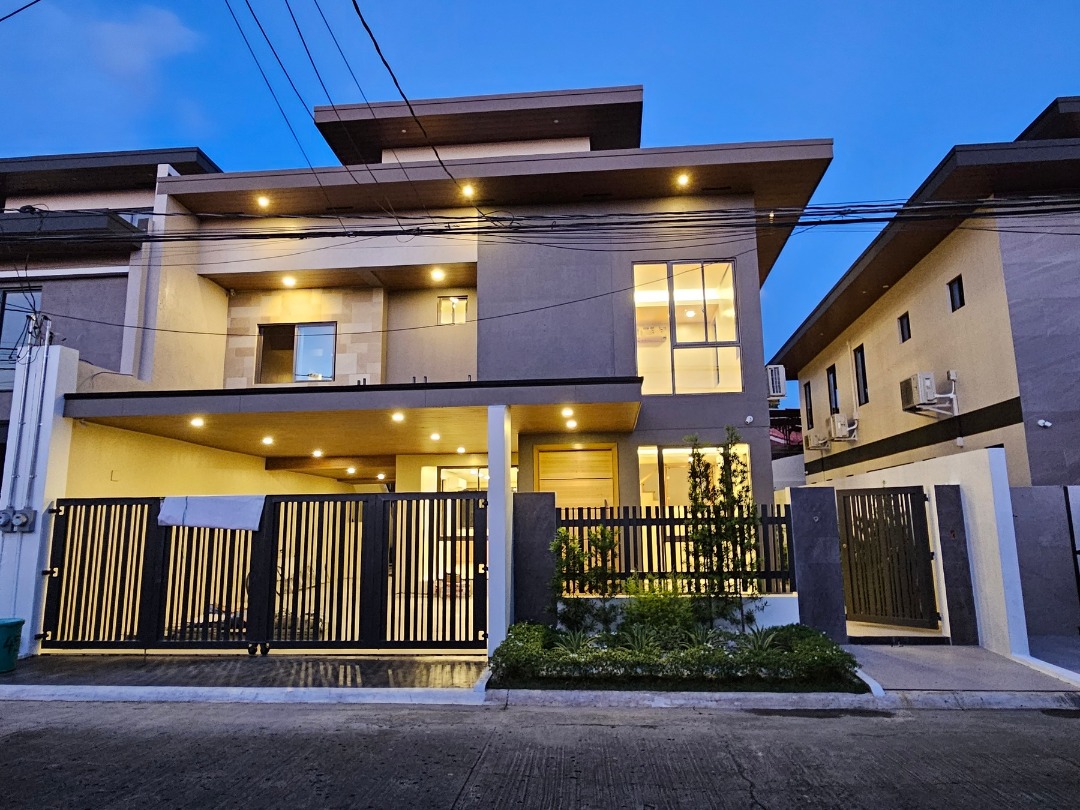
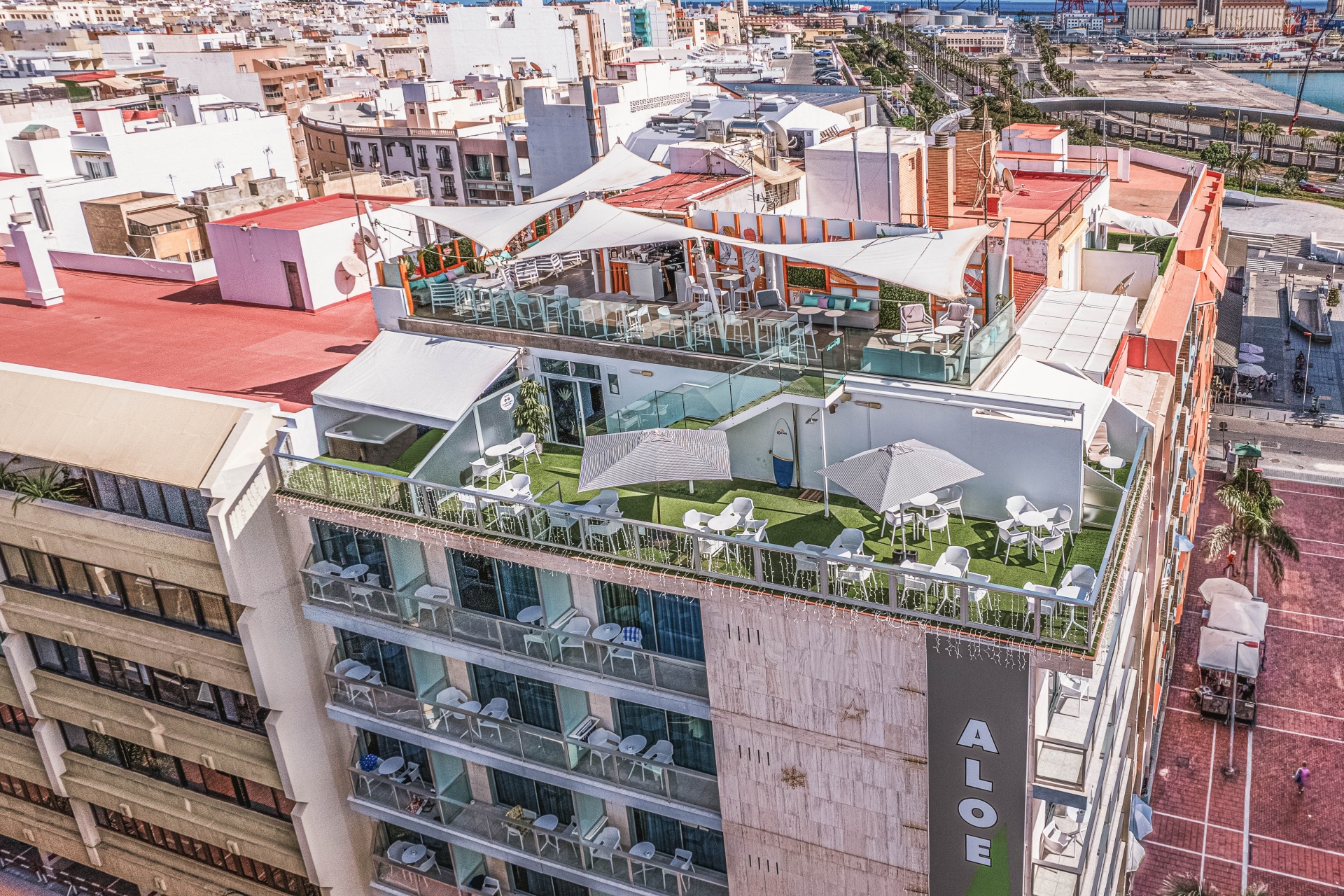
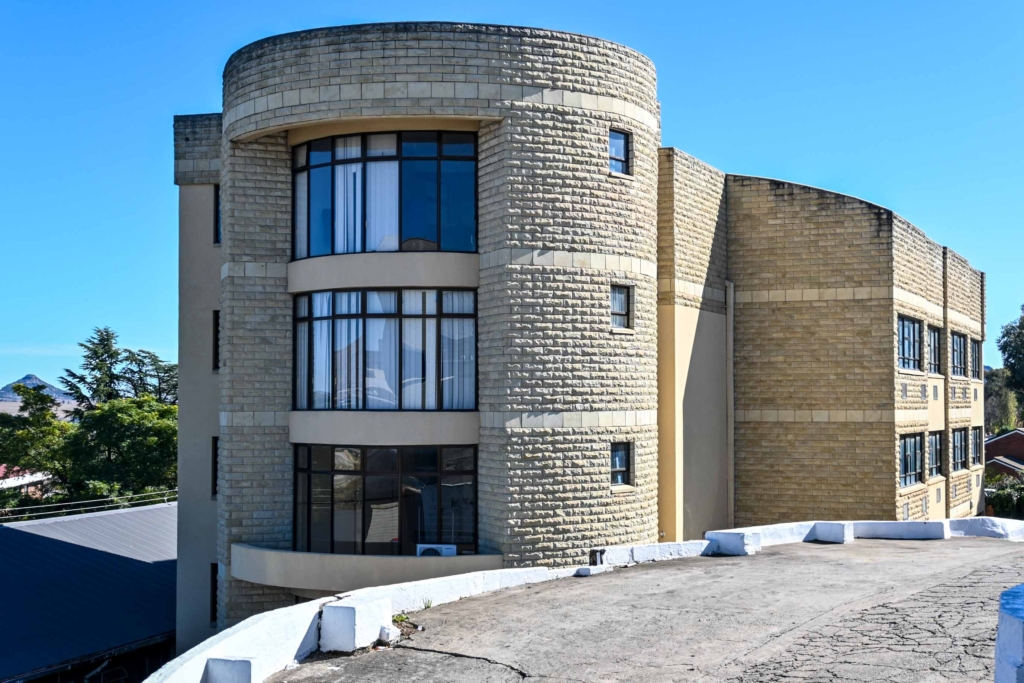
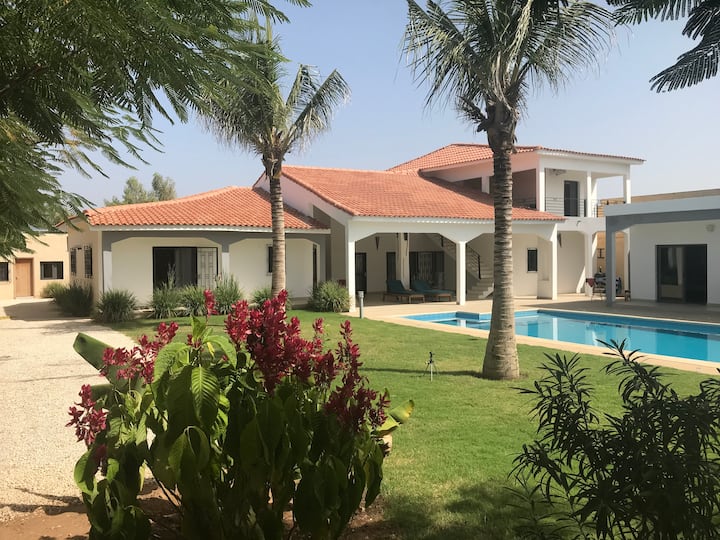
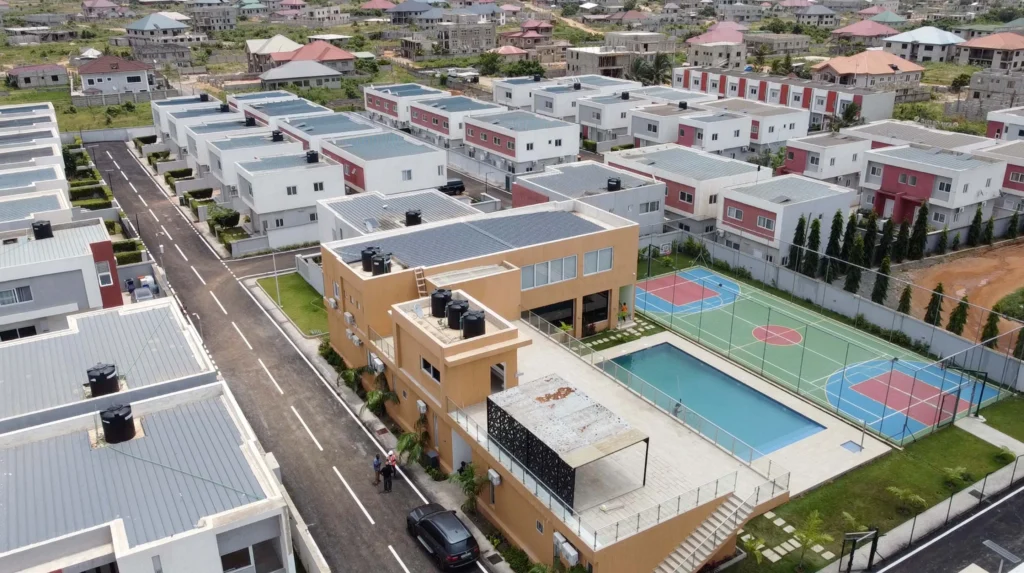
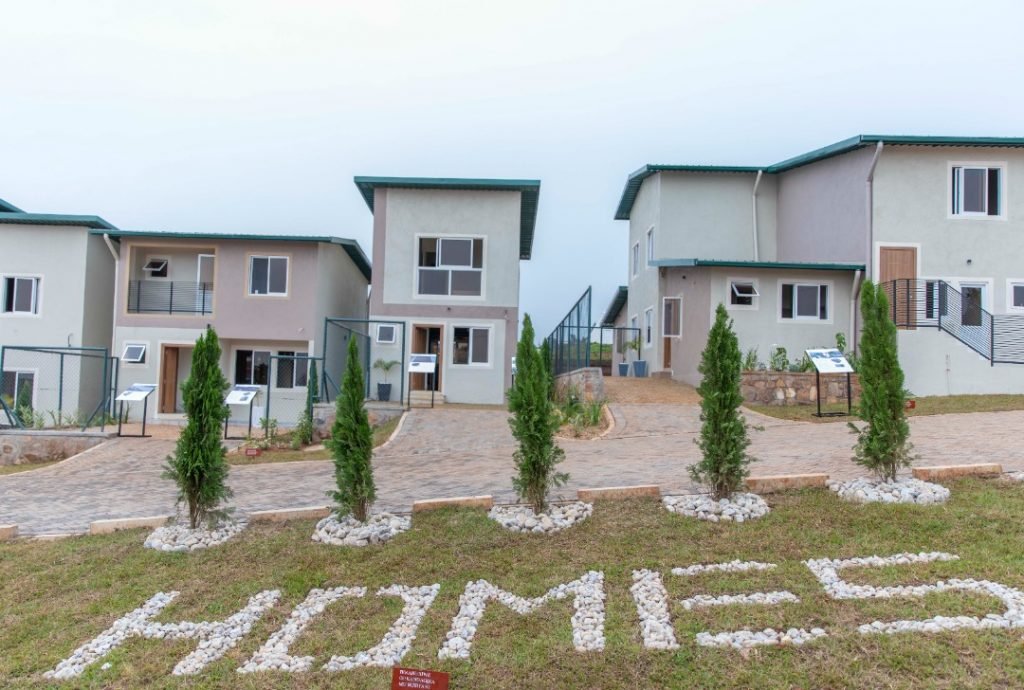
The drivers of this growth are closely tied to Equatorial Guinea’s oil and gas wealth, which has spurred inward investment and the arrival of expatriates and multinational workers. Demand is concentrated in high-end housing, particularly serviced apartments, luxury villas, and gated communities offering amenities such as swimming pools, fitness facilities, and advanced security. At the same time, commercial spaces including offices, retail centers, and industrial parks continue to attract attention as the government seeks to diversify the economy, though progress in this area has been slow.
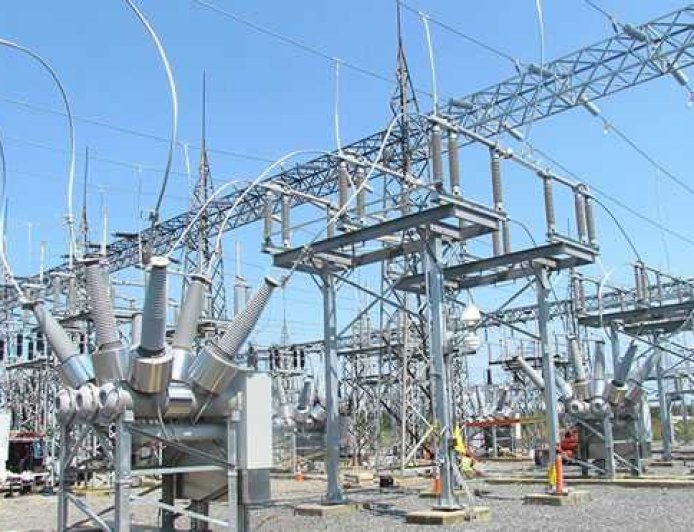
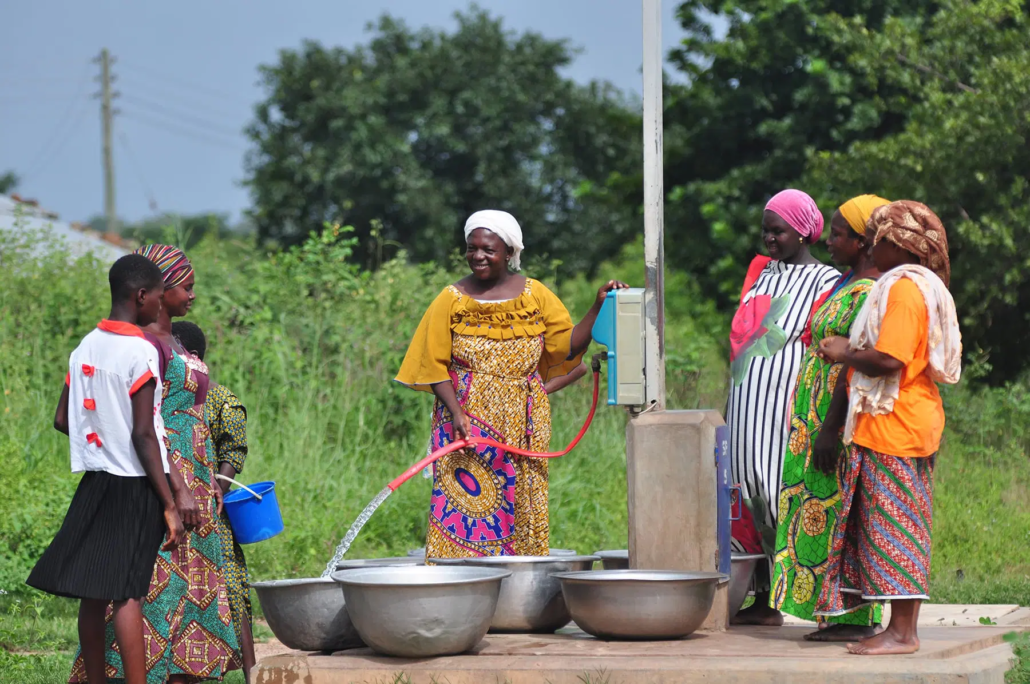
Government policies have provided some incentives for real estate investors, including tax breaks, fast-tracked approvals, and commitments to infrastructure improvements. Yet persistent obstacles weigh heavily on the sector. Bureaucratic delays, unclear land titles, and inconsistent documentation expose investors to disputes and financial risk. Instances of politically influenced land expropriations and corruption further reduce market confidence. Infrastructure gaps, especially unreliable power supply and water distribution, also hinder development, limiting the appeal of projects outside Malabo and Bata.
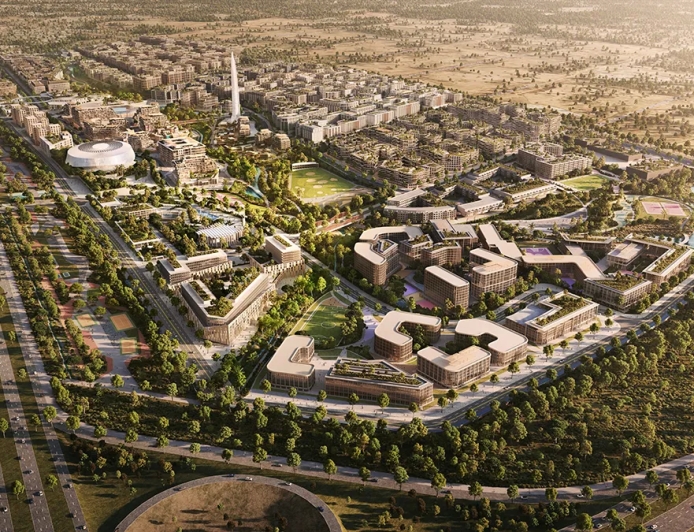
Nevertheless, the market offers opportunities for those able to navigate these risks. The rapid rise of the residential leasing sector suggests strong potential for investors focusing on serviced apartments and flexible housing options. The appetite for luxury housing remains high, driven by both expatriates and affluent locals. Commercial and mixed-use projects in key cities can also capture long-term demand, particularly if linked to ongoing urban development and economic diversification.
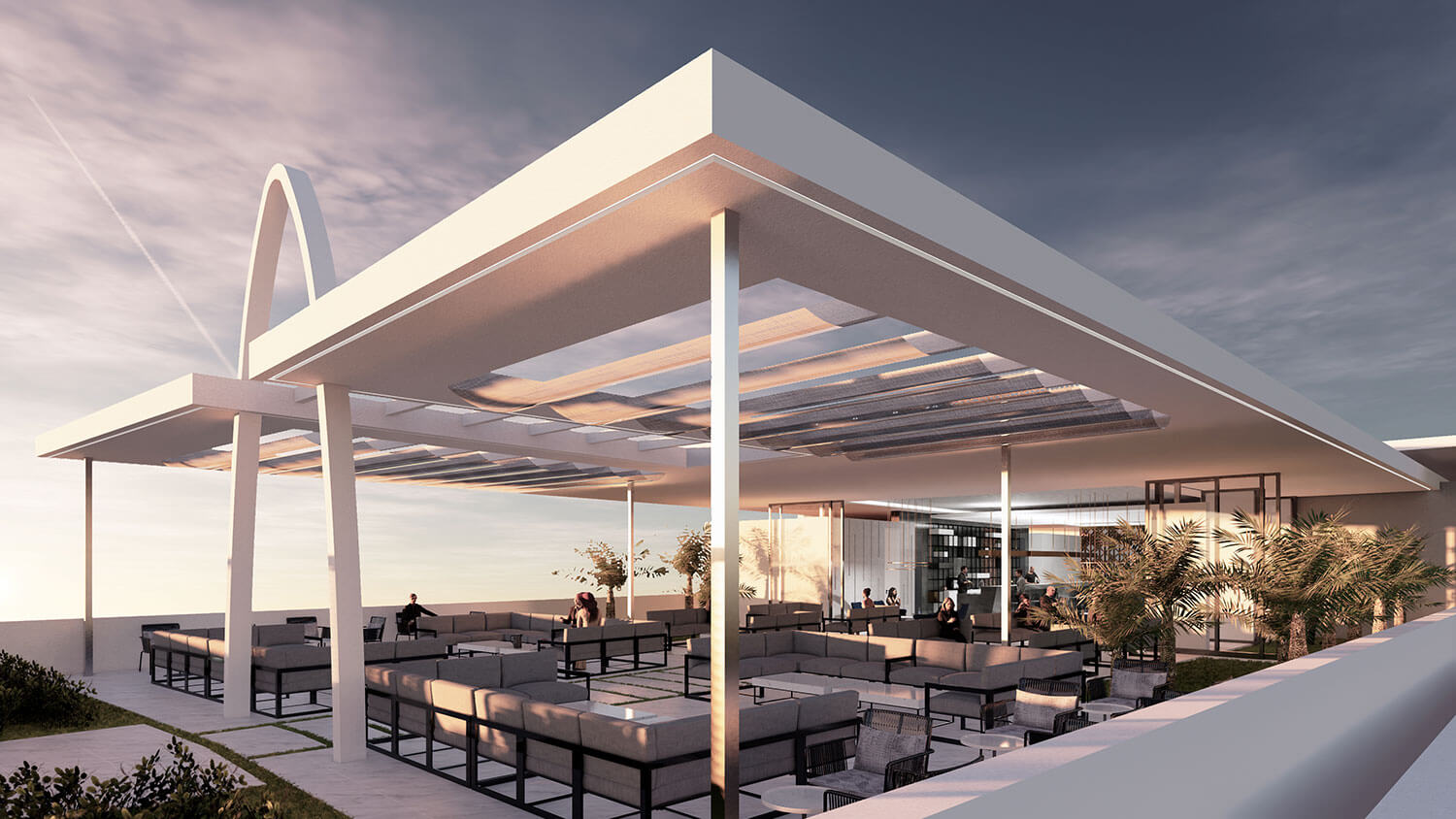
Additionally, tourism-related ventures, including resorts and hotels, present an underexplored opportunity as the government works to position the country as a unique travel destination.
Equatorial Guinea’s real estate market in 2025 represents a balance between promise and risk. While its growth trajectory is supported by oil wealth, urbanization, and demand for modern housing, the sector remains vulnerable to weak governance, fragile infrastructure, and economic volatility. For investors, success will depend on thorough due diligence, strong local partnerships, and careful risk management. Those who adapt to the complexities of the market stand to benefit from the opportunities that lie within one of Africa’s more challenging but potentially rewarding real estate landscapes.
Source : African Propertyu Magazine- Joycelyun Marigold



What's Your Reaction?
 Like
0
Like
0
 Dislike
0
Dislike
0
 Love
0
Love
0
 Funny
0
Funny
0
 Angry
0
Angry
0
 Sad
0
Sad
0
 Wow
0
Wow
0