














:max_bytes(150000):strip_icc()/RD_LaurelWay_0111_F-35c7768324394f139425937f2527ca92.jpg)











































































































Why Guinea-Bissau Deserves a Spot on Your Travel Radar
Tucked quietly along West Africa’s Atlantic coast, Guinea-Bissau remains one of the continent’s most overlooked destinations.



Tucked quietly along West Africa’s Atlantic coast, Guinea-Bissau remains one of the continent’s most overlooked destinations.
Yet for those willing to venture beyond the usual tourist circuits, it offers a rare blend of ecological wonder, cultural richness, and historical depth that few places can match.
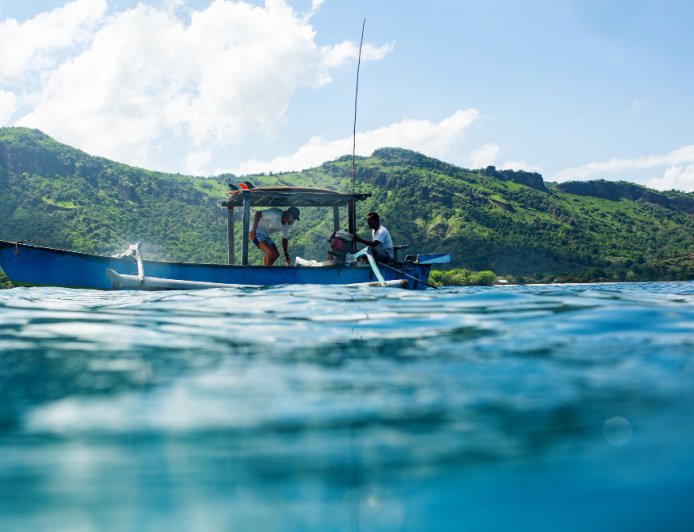
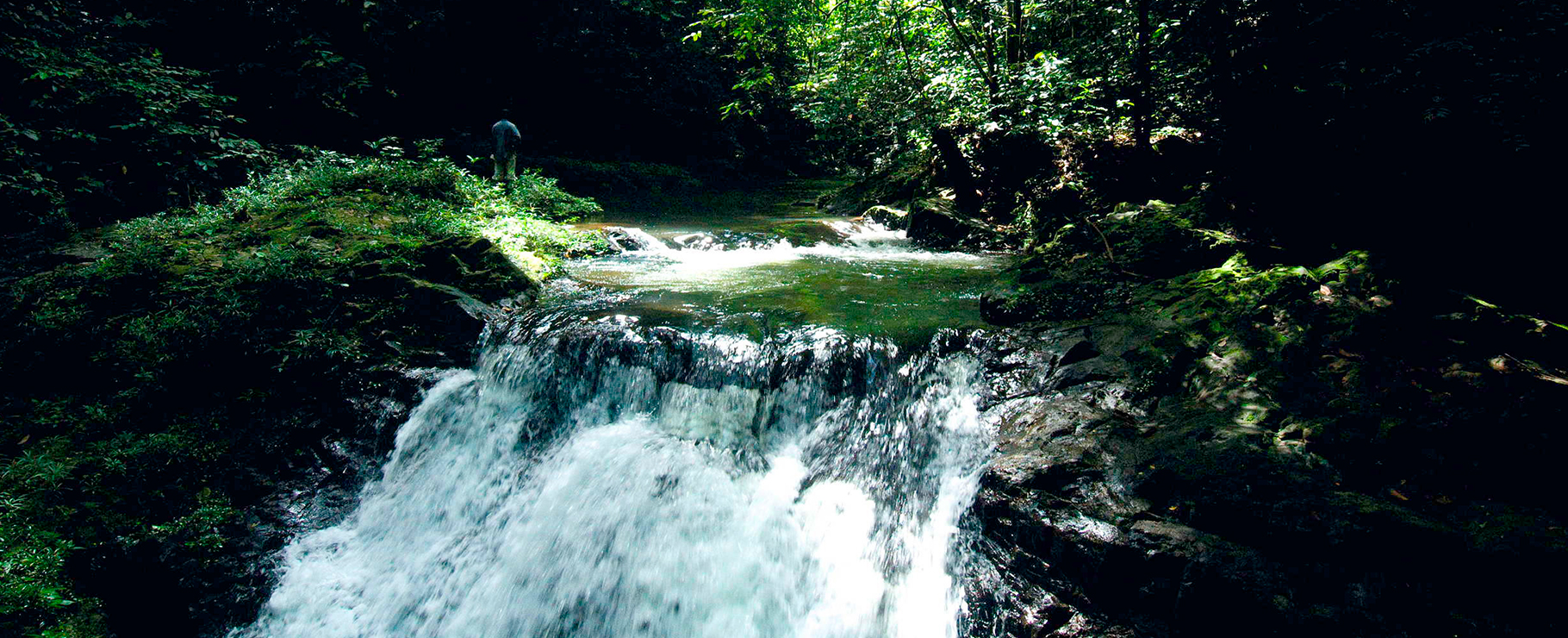
The crown jewel of Guinea-Bissau’s natural heritage is the Bijagós Archipelago—a sprawling network of 88 islands designated as a UNESCO Biosphere Reserve. These islands are a haven for biodiversity, home to saltwater hippos, manatees, sea turtles, and an astonishing array of birdlife. The landscapes shift from mangrove forests to untouched beaches, and the communities that inhabit them maintain deeply rooted traditions that have remained largely undisturbed by modernity.
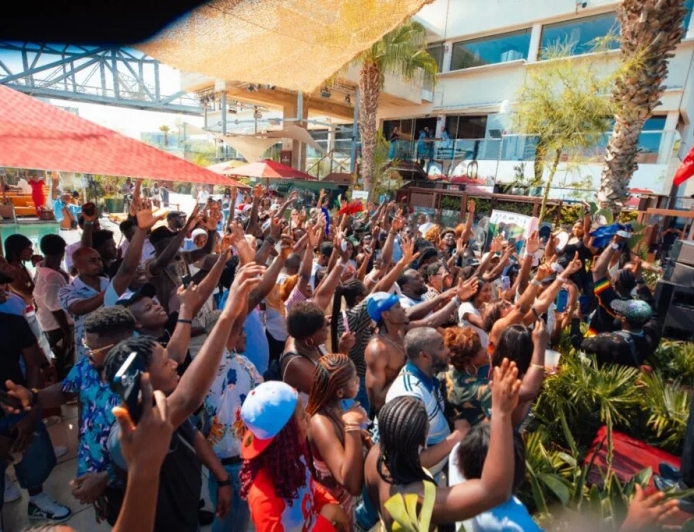
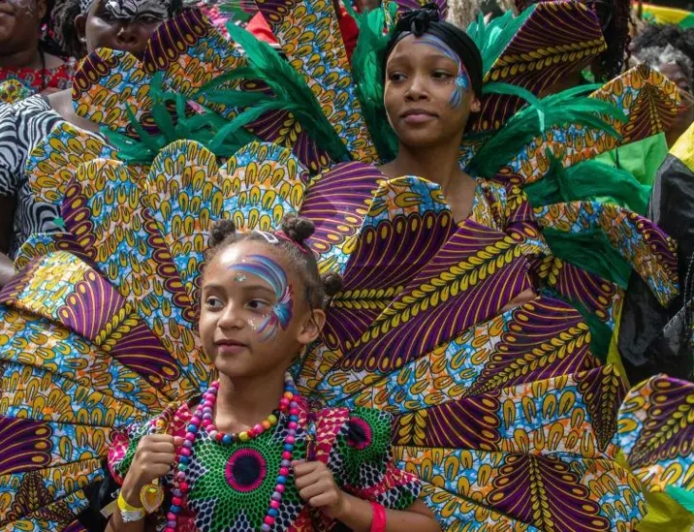
Culturally, Guinea-Bissau is a mosaic of more than 20 ethnic groups, each contributing to a vibrant tapestry of languages, spiritual practices, and communal rituals. This diversity is not just demographic—it’s experiential. Visitors are often drawn into local festivals, music, and storytelling traditions that reflect a society built on coexistence and resilience. For researchers and writers, the country offers a living archive of cultural continuity and adaptation.
Ecotourism thrives in places like Orango Islands National Park, where conservation efforts protect dolphins, monkeys, and rare birds. The Bolama archipelago, once the capital of Portuguese Guinea, also serves as a sanctuary for green turtles and Nile crocodiles. These regions are ideal for nature photography, wildlife observation, and immersive environmental studies.
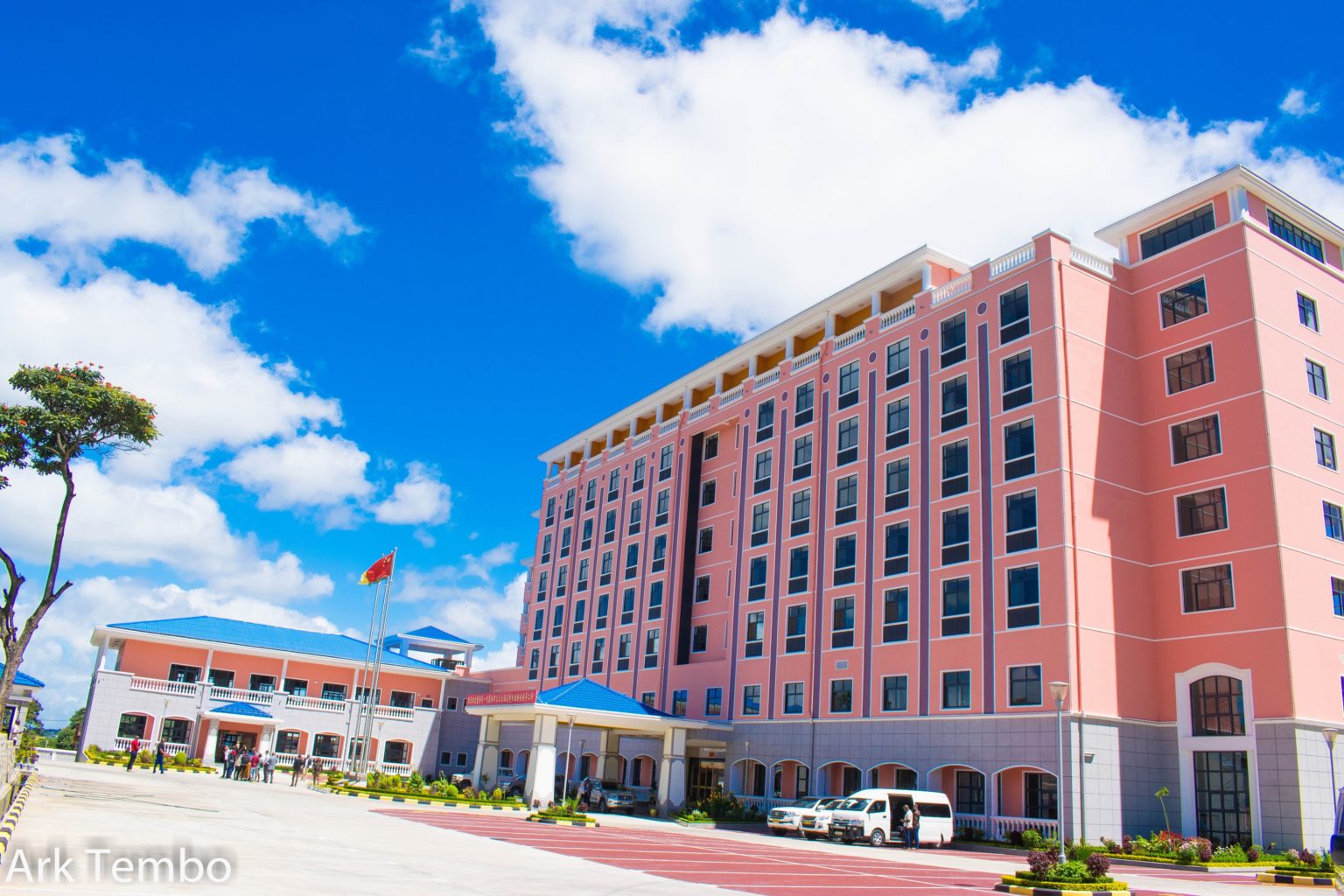
History buffs and architectural enthusiasts will find plenty to explore in towns like Bolama and Cacheu. Portuguese colonial ruins, historic forts, and faded administrative buildings tell stories of a complex past marked by trade, resistance, and transformation. These sites offer a poignant contrast to the natural beauty surrounding them, reminding visitors of the layered narratives that shape Guinea-Bissau’s identity.
And then there’s the food—an authentic reflection of West African culinary traditions. Dishes like caldo de mancarra, a rich peanut stew, and freshly grilled seafood served with palm wine are not just meals but cultural experiences. Local markets and coastal eateries provide a sensory journey into the rhythms of daily life, where cuisine is deeply tied to seasonality and community.
For anyone interested in regional development, governance, or cultural storytelling, Guinea-Bissau offers fertile ground. Its blend of ecological richness, historical significance, and cultural depth makes it not just a destination, but a narrative waiting to be explored.
Source : African Property News -Digital


What's Your Reaction?
 Like
0
Like
0
 Dislike
0
Dislike
0
 Love
0
Love
0
 Funny
0
Funny
0
 Angry
0
Angry
0
 Sad
0
Sad
0
 Wow
0
Wow
0