















:max_bytes(150000):strip_icc()/RD_LaurelWay_0111_F-35c7768324394f139425937f2527ca92.jpg)










































































































Burundi’s Travel Market: A Hidden Jewel on Lake Tanganyika
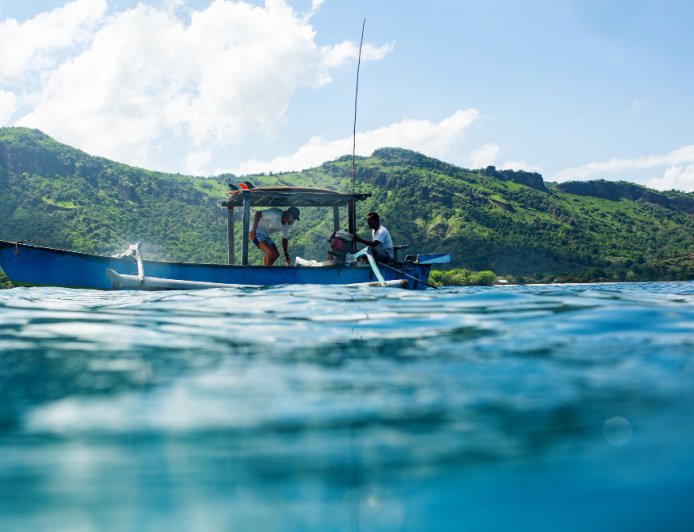
Burundi, though one of Africa’s smallest nations, offers a unique combination of natural beauty and cultural richness that could transform it into a niche travel destination. Its crown jewel is Lake Tanganyika, the second-deepest freshwater lake in the world, with crystal-clear waters, sandy beaches, and thriving aquatic life.



Burundi, though one of Africa’s smallest nations, offers a unique combination of natural beauty and cultural richness that could transform it into a niche travel destination. Its crown jewel is Lake Tanganyika, the second-deepest freshwater lake in the world, with crystal-clear waters, sandy beaches, and thriving aquatic life. The lake provides opportunities for swimming, boating, and fishing, appealing to both leisure and adventure travelers. Beyond the shores, Burundi’s national parks add depth to its tourism offerings: Kibira National Park is a rainforest haven with colobus monkeys and chimpanzees, while Rusizi National Park attracts birdwatchers and wildlife enthusiasts with its hippos, crocodiles, and migratory species.
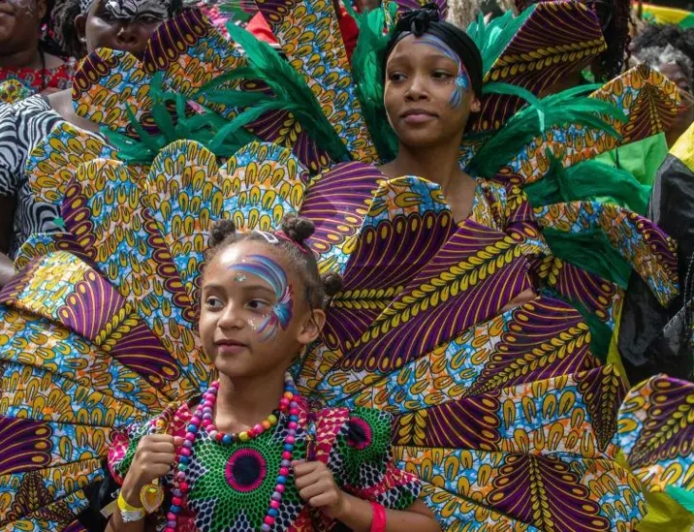
Culturally, Burundi’s traditions enrich the visitor experience. The country is famed for its Royal Drummers, whose performances are recognized by UNESCO as Intangible Cultural Heritage. Historic sites in Gitega, the cultural capital, and Bujumbura, the commercial hub, showcase Burundi’s layered history and artistic heritage.
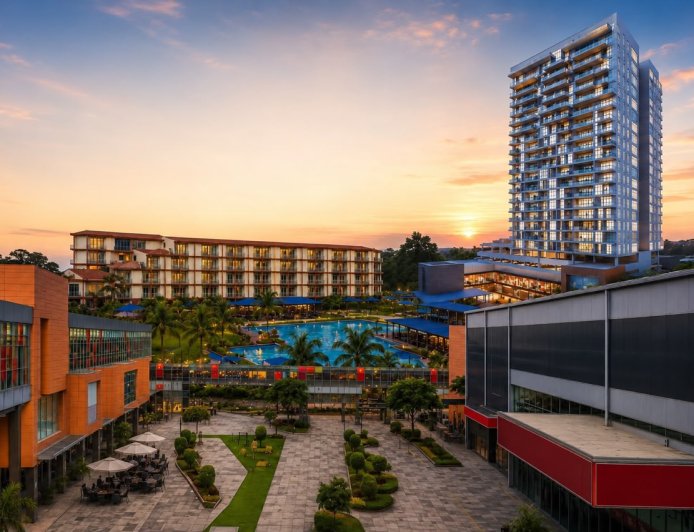
Yet, Burundi’s travel market faces significant challenges. Limited infrastructure, political instability, and low global visibility keep visitor numbers low. Hotels and hospitality services are concentrated in Bujumbura, with limited options in rural areas. International marketing is minimal, leaving Burundi overshadowed by its neighbors Rwanda and Tanzania. Despite these constraints, opportunities exist for targeted investment. Boutique accommodations, eco-lodges, and cultural tourism experiences could attract niche travelers interested in authentic and less-commercialized destinations.
Cross-border tourism circuits offer additional growth potential. Linking Burundi’s natural and cultural attractions with regional hubs in Rwanda, Tanzania, and the Democratic Republic of Congo could strengthen appeal to international tourists. With growing global demand for eco-tourism, birdwatching, and cultural immersion, Burundi has an opportunity to rebrand itself as a peaceful, authentic travel destination. For investors, the small but underserved hospitality market means early movers can establish strong footholds, particularly in Lake Tanganyika resorts and cultural tourism projects.
Seychelles’ Travel Market: Africa’s Premier Island Luxury Hub
Seychelles is one of Africa’s most successful tourism markets, standing as a global symbol of luxury, exclusivity, and sustainability. Located in the Indian Ocean, the island nation attracts travelers with its white-sand beaches, turquoise waters, coral reefs, and lush tropical forests.
With 115 islands spread across vast ocean territory, Seychelles offers a variety of experiences ranging from beach leisure and water sports to diving, hiking, and nature-based tourism. Sites such as Anse Lazio in Praslin, Vallée de Mai Nature Reserve, and the marine-rich Aldabra Atoll (a UNESCO World Heritage site) make Seychelles one of the most photographed and celebrated destinations worldwide.
Tourism is the backbone of Seychelles’ economy, contributing the largest share of GDP and employment. The sector is dominated by luxury resorts and wellness retreats, attracting affluent travelers from Europe, the Middle East, and Asia. Unlike many African destinations, Seychelles has successfully positioned itself as a high-value, low-volume market, ensuring environmental sustainability while maintaining exclusivity.
The government’s proactive policies and stability have made Seychelles an attractive destination for foreign investors. Opportunities lie in expanding eco-lodges, wellness tourism, cultural tourism, and adventure segments like yachting and diving. Demand for sustainable practices is also reshaping the market, with eco-certified resorts and renewable energy integration becoming competitive advantages.
The real estate side of the tourism market is equally strong. High demand for luxury villas, resorts, and serviced apartments ensures attractive rental yields and capital appreciation. Investors benefit from a supportive regulatory framework, reliable infrastructure, and strong air connectivity to major global cities. With global travel trends shifting toward wellness, sustainability, and exclusive experiences, Seychelles remains well-positioned to retain its status as Africa’s premier island travel hub. For investors and travelers alike, Seychelles is both a safe and rewarding choice, blending world-class natural beauty with consistent economic returns.
Source : African Property Magazine -Digital


What's Your Reaction?
 Like
0
Like
0
 Dislike
0
Dislike
0
 Love
0
Love
0
 Funny
0
Funny
0
 Angry
0
Angry
0
 Sad
0
Sad
0
 Wow
0
Wow
0