















:max_bytes(150000):strip_icc()/RD_LaurelWay_0111_F-35c7768324394f139425937f2527ca92.jpg)










































































































Building Sustainably in Togo: A Transformative Blend of Tradition, Innovation, and Ecology
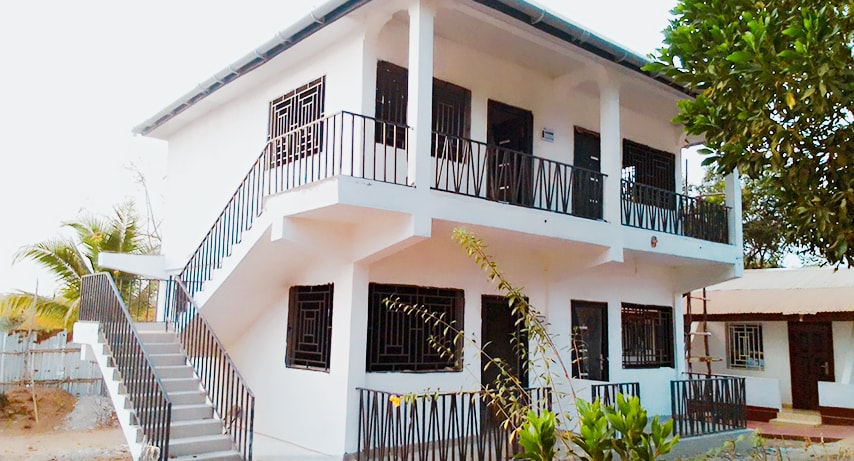
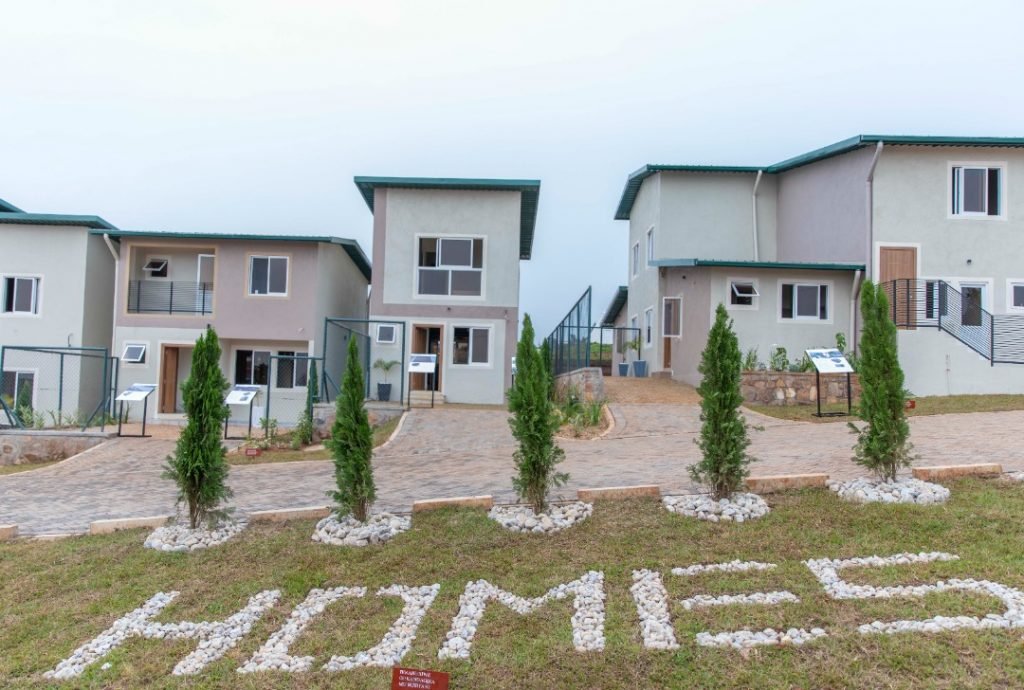
Sustainable building practices in Togo are gaining momentum as the country seeks to balance rapid urbanization with environmental stewardship and cultural preservation. At the heart of this movement is a revival and modernization of vernacular architecture, particularly in regions like Kara, where traditional building techniques have long reflected ecological harmony and social cohesion.



Sustainable building practices in Togo are gaining momentum as the country seeks to balance rapid urbanization with environmental stewardship and cultural preservation. At the heart of this movement is a revival and modernization of vernacular architecture, particularly in regions like Kara, where traditional building techniques have long reflected ecological harmony and social cohesion.
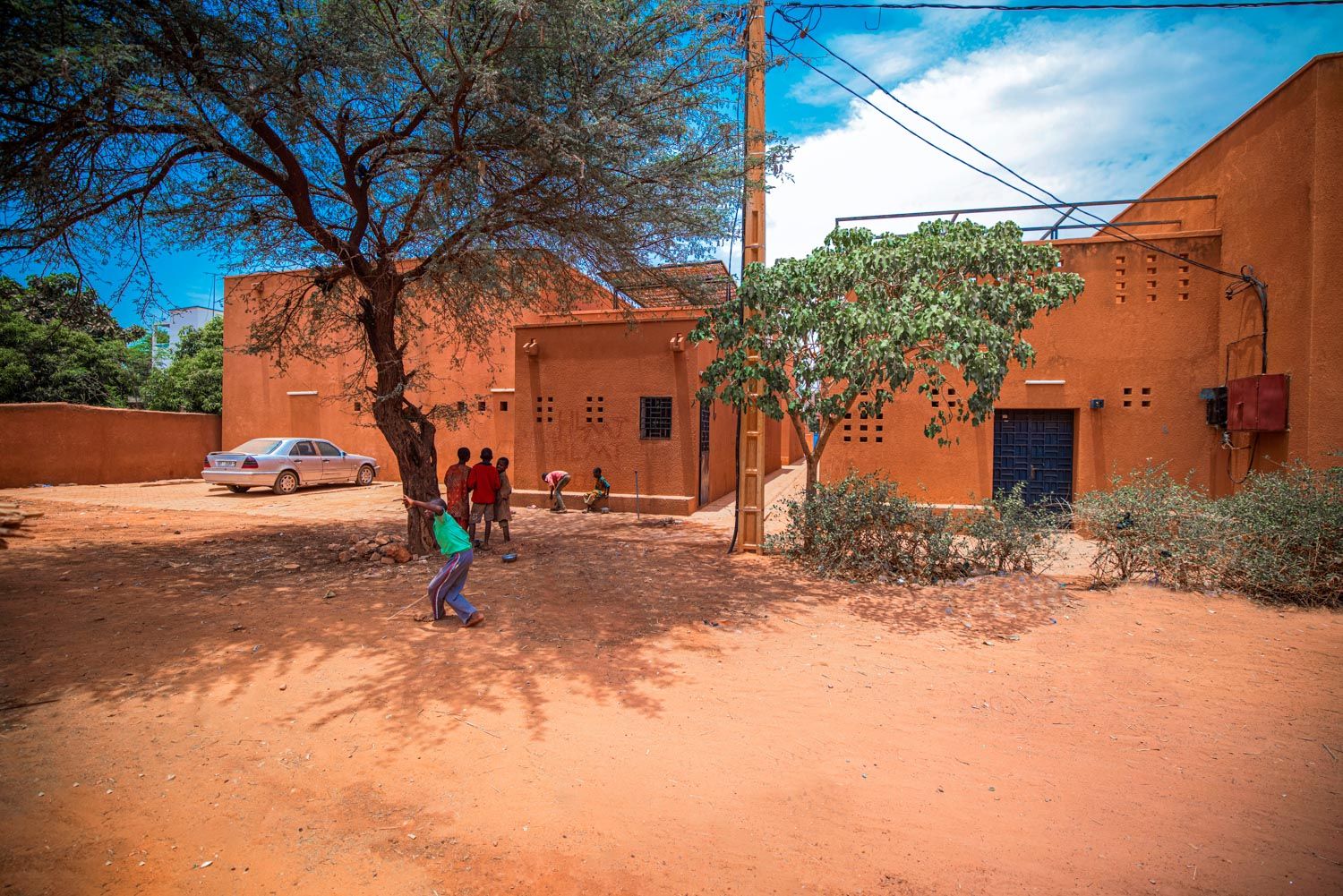
Local materials such as earth, stone, and thatch are being revalued not just for their affordability, but for their thermal efficiency and minimal environmental impact. These materials are often sourced directly from the surrounding landscape, reducing transportation emissions and supporting local economies. In northern Togo, communities like the Kabiyè and Nawdeba have historically built homes that respond to climate conditions—thick earthen walls for insulation, compact layouts for shade, and communal designs that foster social resilience.
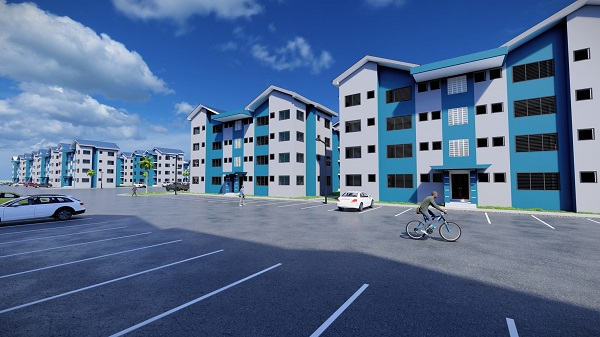
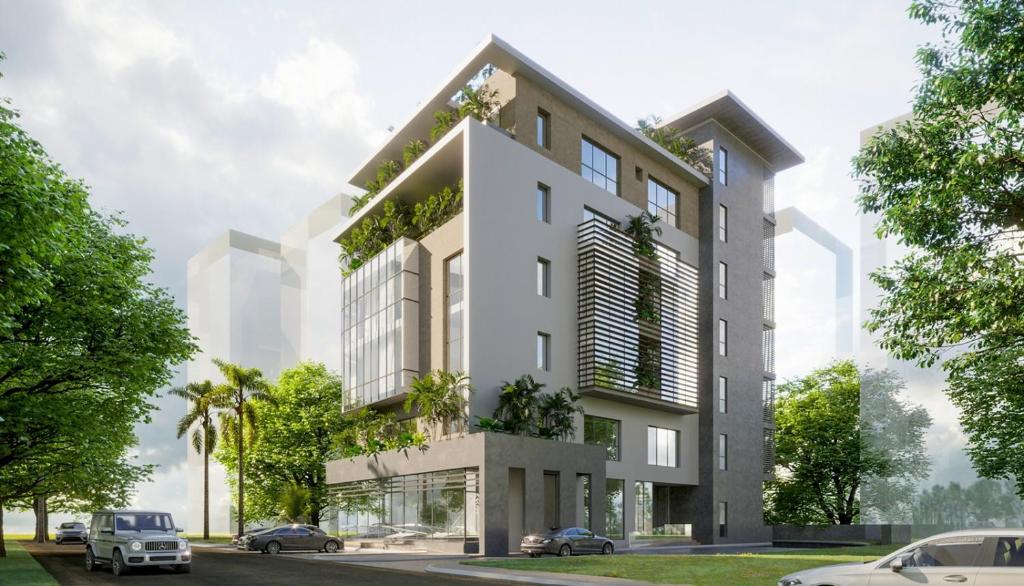
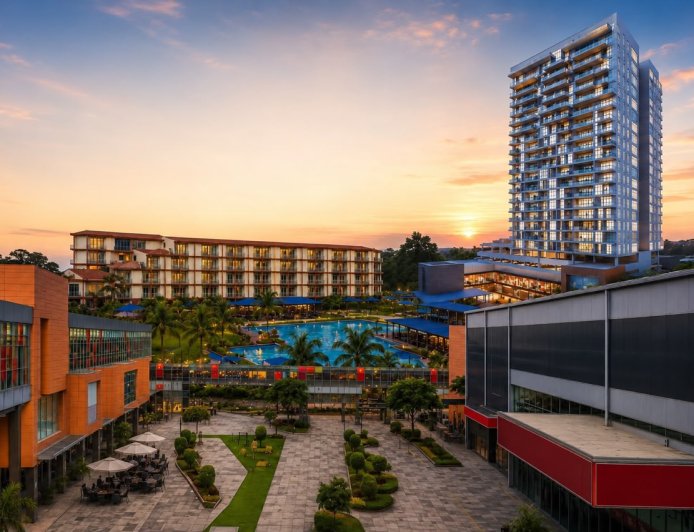
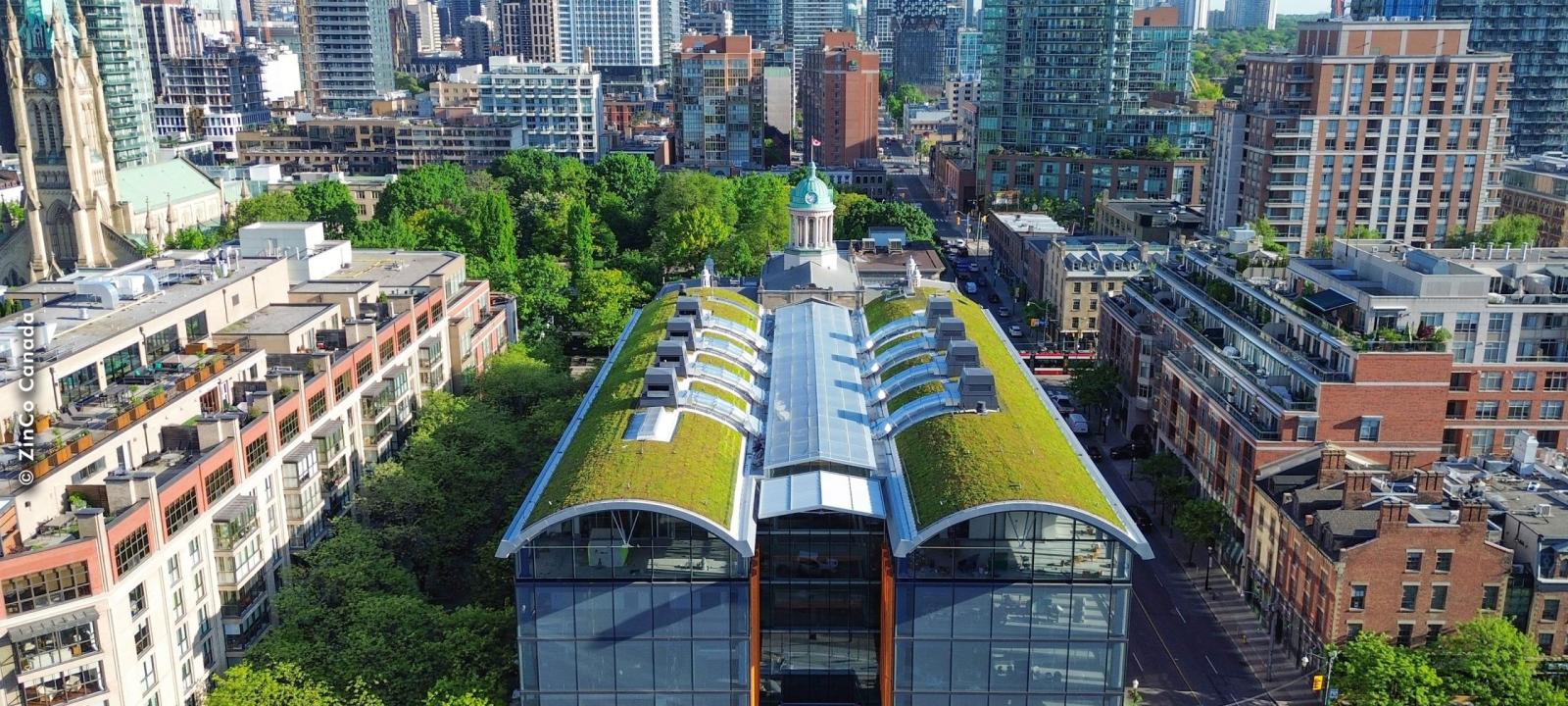
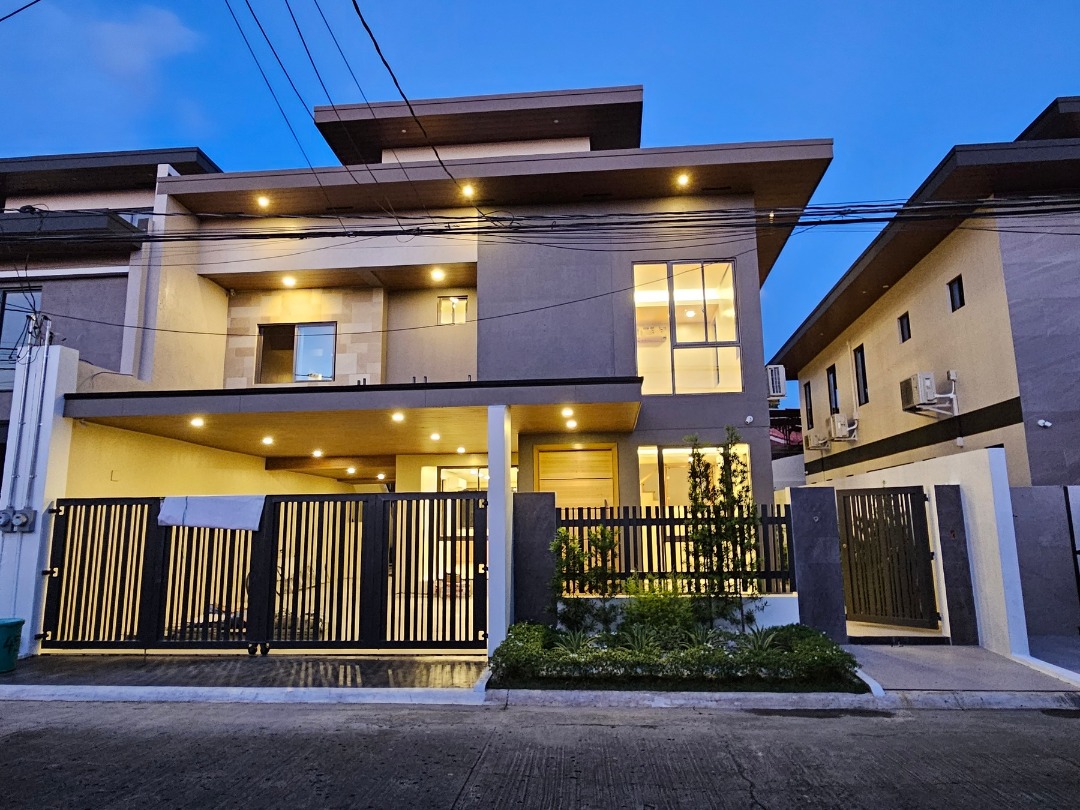
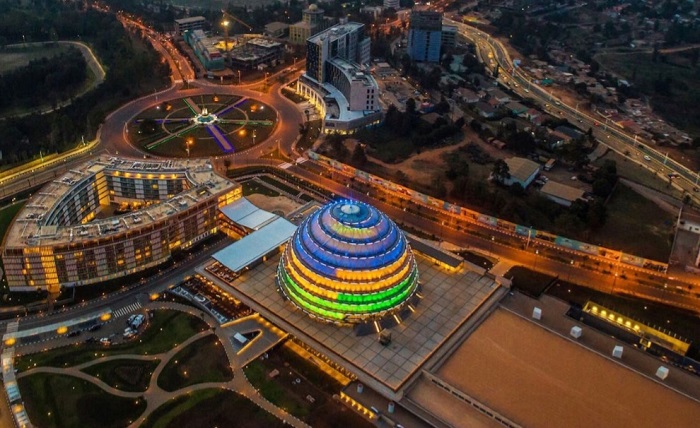
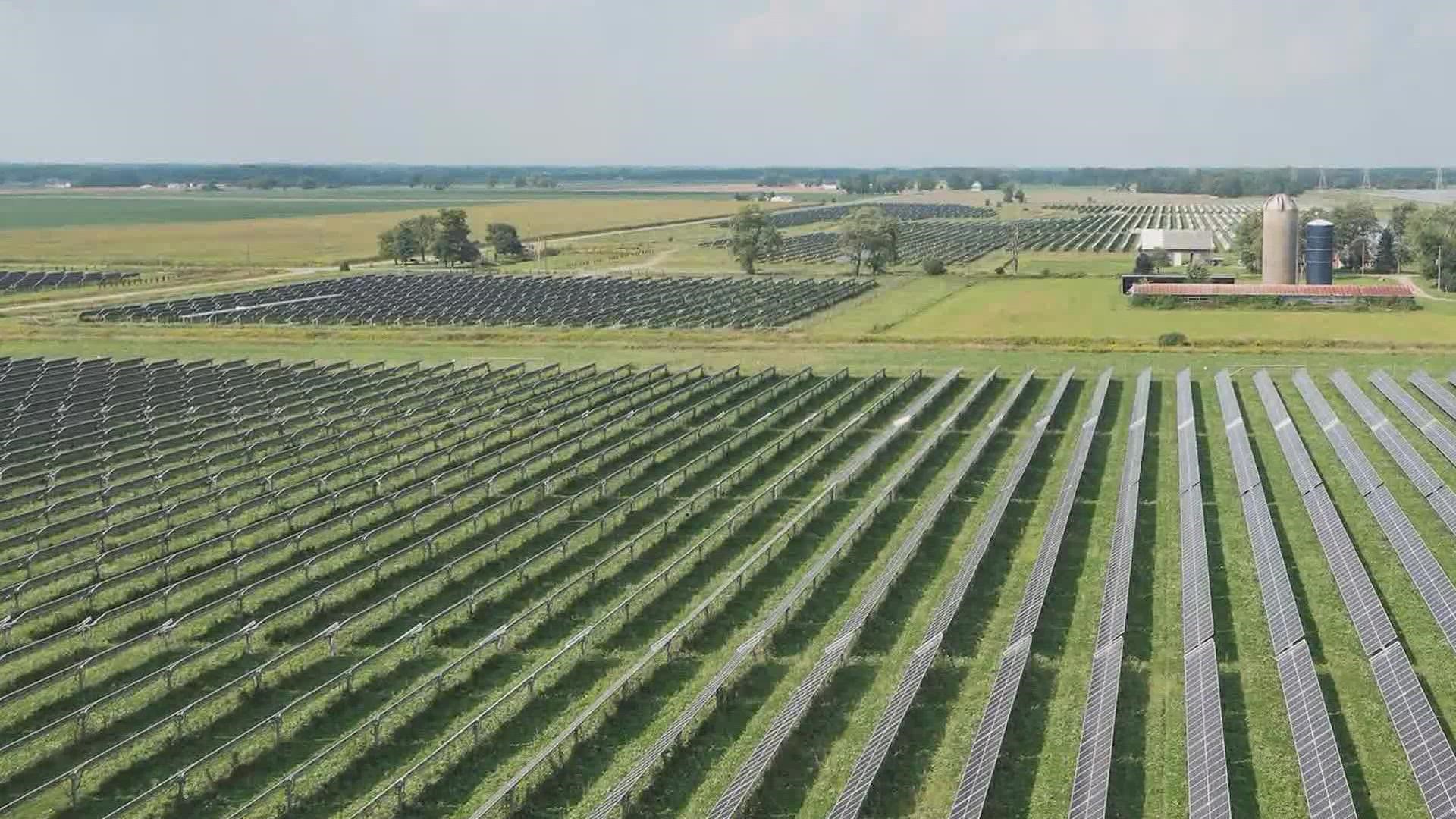
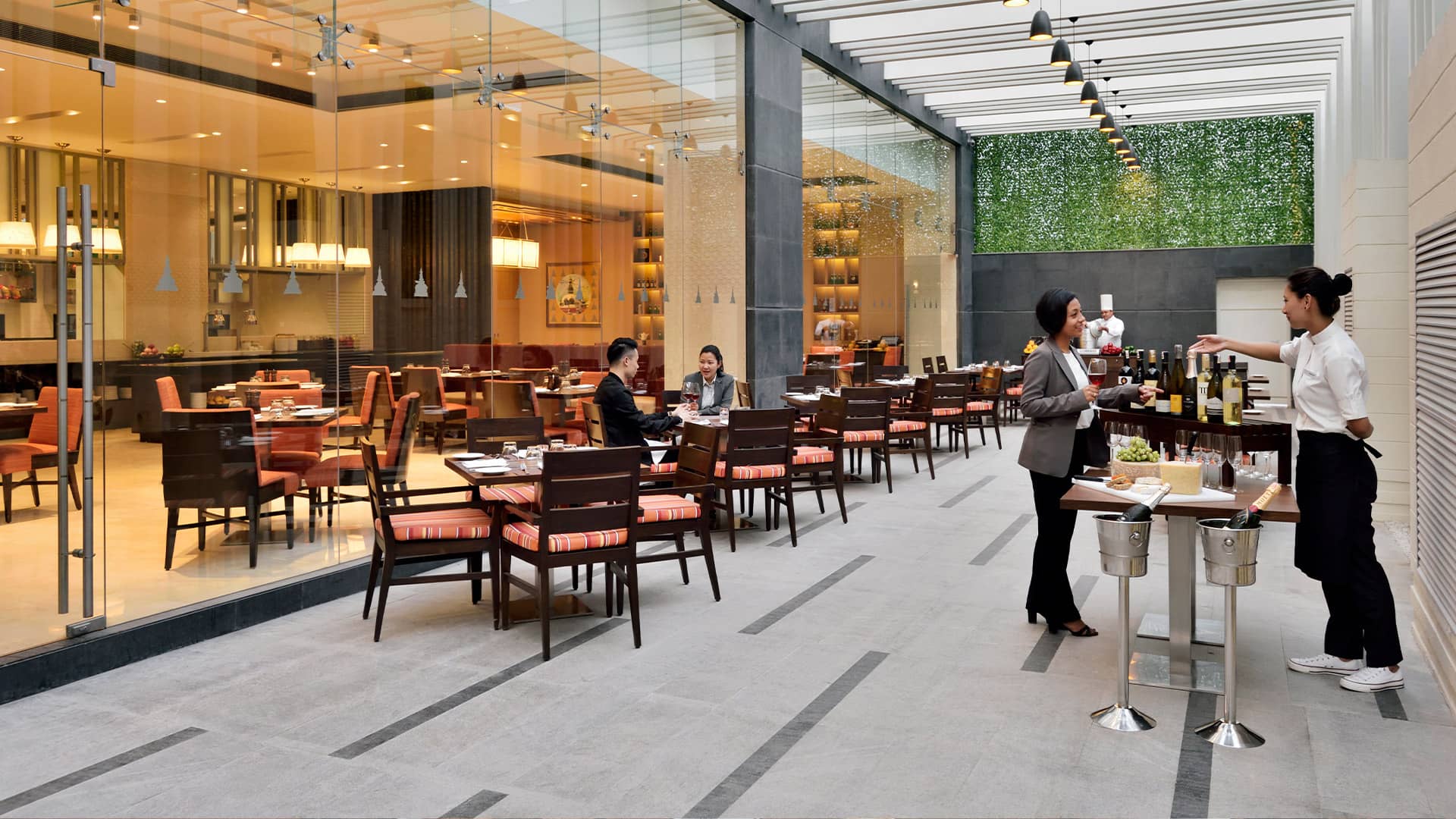
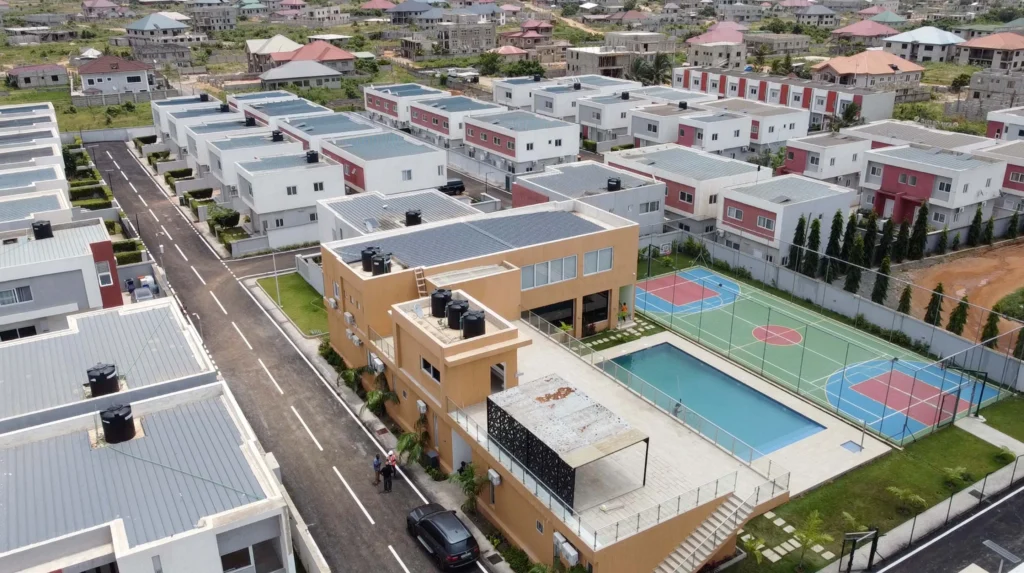
Modern sustainable architecture in Togo is also embracing green technologies and eco-friendly certifications. Energy-efficient designs, passive cooling systems, and solar integration are becoming more common in urban developments. The Centre of Excellence for Technical Training plays a pivotal role in equipping future architects and builders with the skills to merge traditional wisdom with contemporary sustainability standards.
Beyond buildings, sustainability in Togo extends to livelihood-linked architecture. UNESCO-backed initiatives have introduced beekeeping and shea nut processing as part of eco-conscious construction strategies. These projects not only generate income for rural communities but also protect biodiversity and reduce human-wildlife conflict—especially in areas where elephant migration intersects with human settlements.
Innovative academic work, such as that by Kevin Toudeka, highlights the potential of hybrid architectural models that combine indigenous knowledge with modern engineering. These approaches aim to create housing that is affordable, culturally resonant, and environmentally sound—especially for low-income communities facing housing insecurity.
In essence, Togo’s sustainable building practices are not just about structures—they’re about systems. They reflect a growing commitment to ecological balance, cultural integrity, and inclusive development. As the country continues to evolve, its architecture may well become a blueprint for how tradition and innovation can co-exist in service of a greener future.
Source : African Property Magazine - Digital




What's Your Reaction?
 Like
0
Like
0
 Dislike
0
Dislike
0
 Love
0
Love
0
 Funny
0
Funny
0
 Angry
0
Angry
0
 Sad
0
Sad
0
 Wow
0
Wow
0