











:max_bytes(150000):strip_icc()/RD_LaurelWay_0111_F-35c7768324394f139425937f2527ca92.jpg)

































































Ghana’s Housing Market: Navigating Demand, Affordability, and Policy Reform
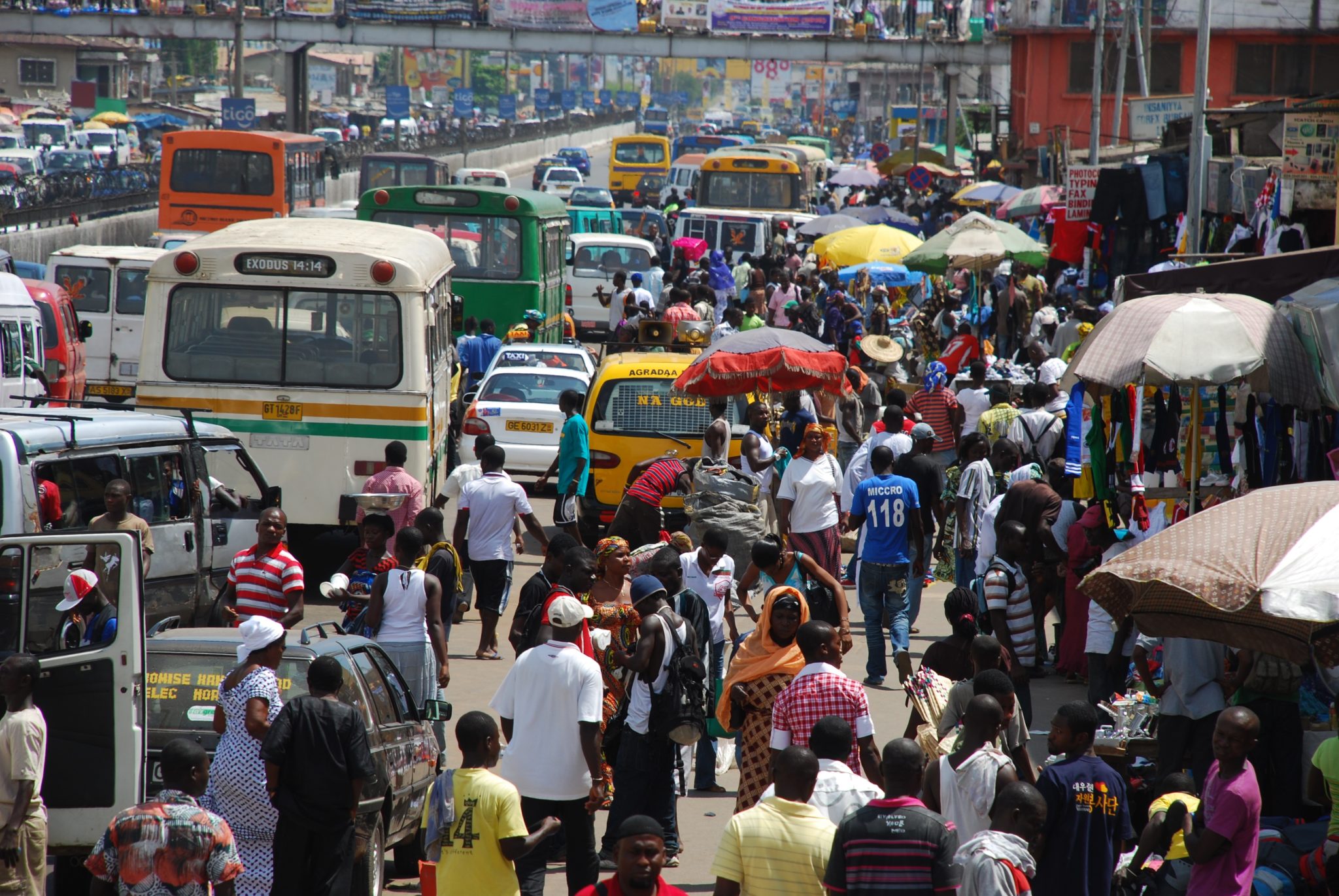
Ghana’s housing market is undergoing a complex transformation, shaped by rapid urbanization, demographic shifts, and evolving economic dynamics. With over half of the population now residing in urban areas, the demand for housing has


Ghana’s housing market is undergoing a complex transformation, shaped by rapid urbanization, demographic shifts, and evolving economic dynamics. With over half of the population now residing in urban areas, the demand for housing has surged, particularly in metropolitan regions such as Accra, Kumasi, and Sekondi-Takoradi. Yet, this demand has not been met with a commensurate supply of affordable housing, resulting in a persistent housing deficit estimated at over 1.8 million units.
The affordability challenge remains central to the housing discourse. While the middle class continues to expand, the cost of construction materials, land acquisition, and labor has escalated, making homeownership increasingly elusive for low- and middle-income earners. The average price of a two-bedroom house in Greater Accra exceeds GHS 1 million, far beyond the reach of most households whose monthly incomes fall below GHS 3,000. Mortgage financing, though available, is constrained by high interest rates ranging from 20% to 27%, and a mortgage-to-GDP ratio of just 1%, indicating limited penetration.
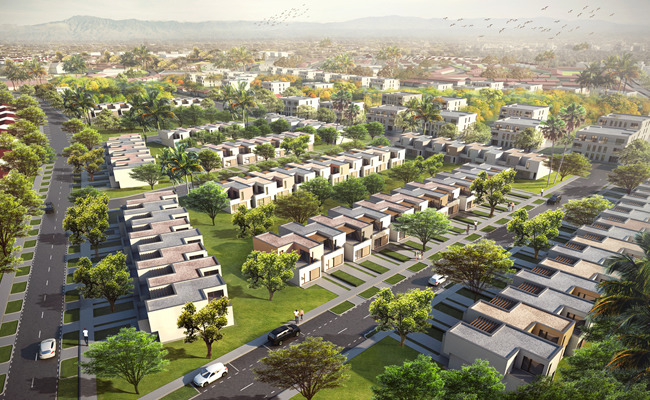
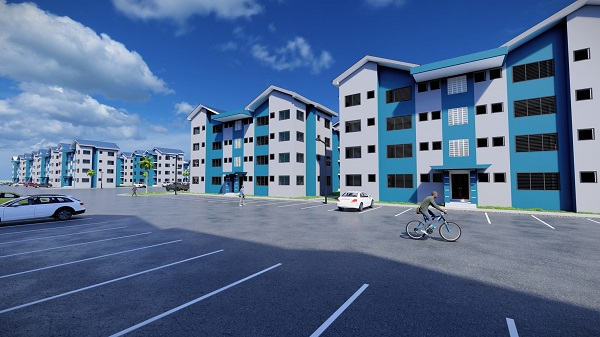
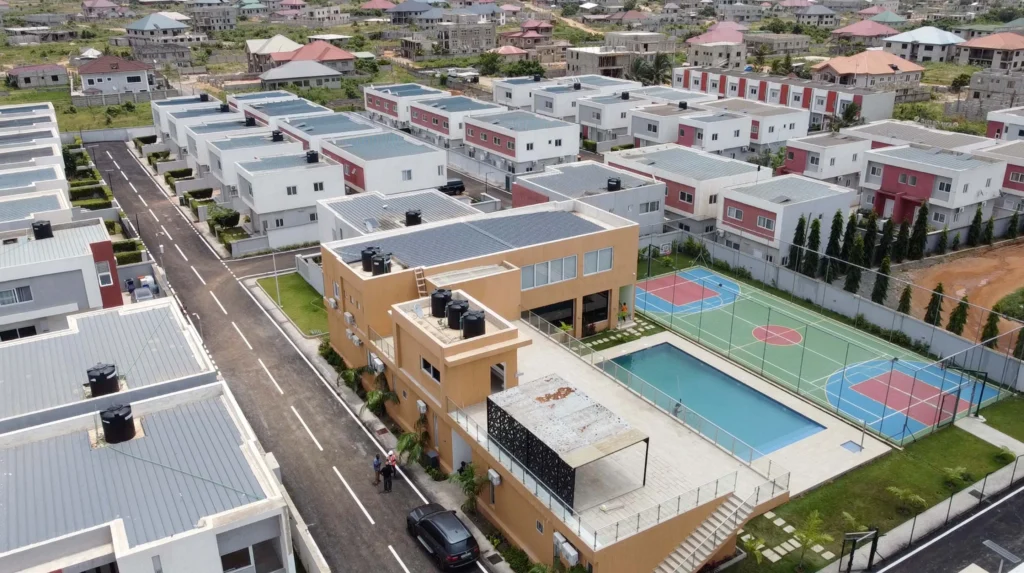
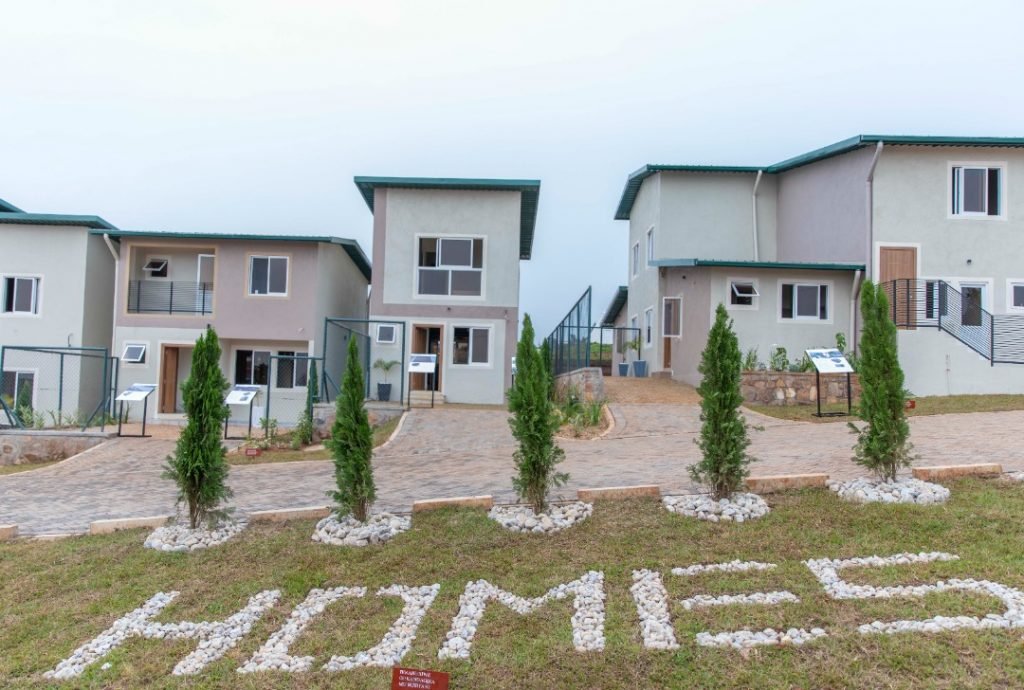
Government interventions have included the development of Affordable Housing Projects (AHPs) such as the completed Borteyman and Asokore Mampong estates, and ongoing initiatives in Pokuase, Amasaman, and Shai Hills. These projects aim to bridge the affordability gap, with unit prices ranging from GHS 160,000 to GHS 500,000. However, even these subsidized options remain out of reach for many, prompting calls for more innovative financing models such as rent-to-own schemes and perpetual mortgages.
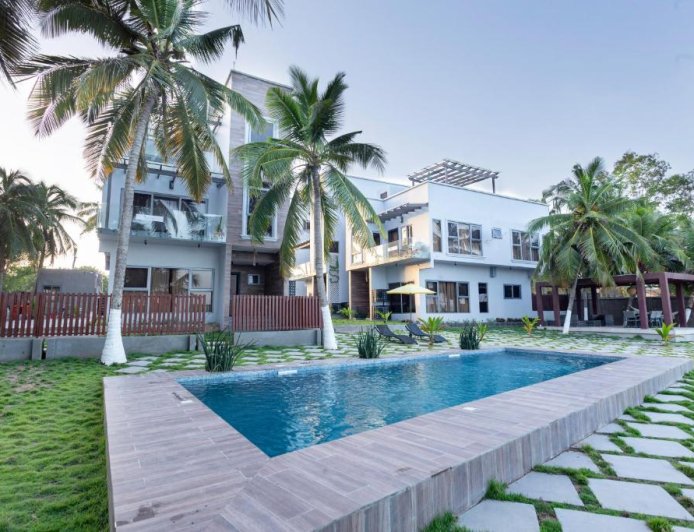
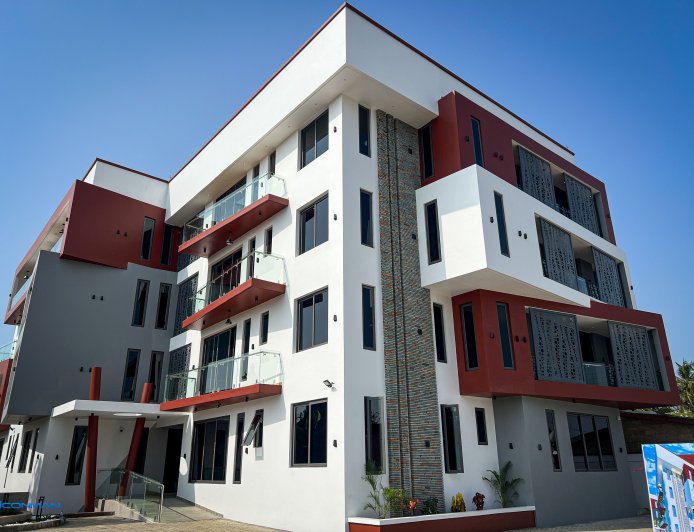
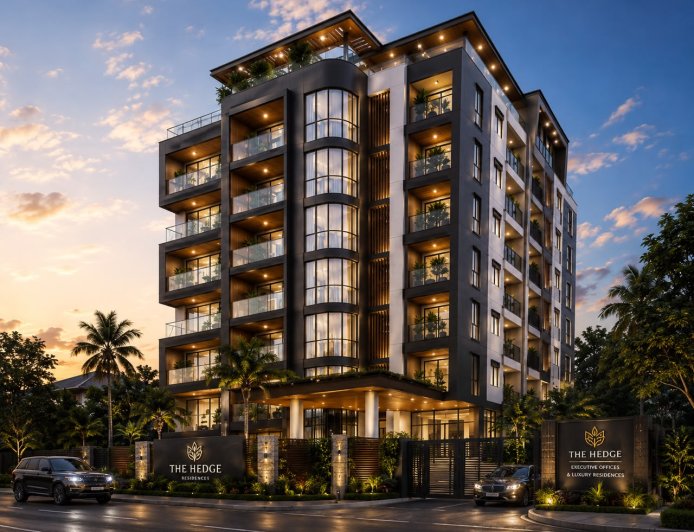
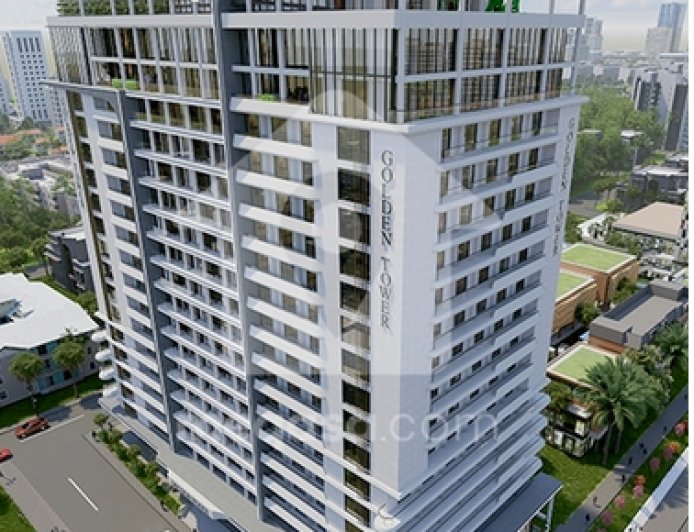
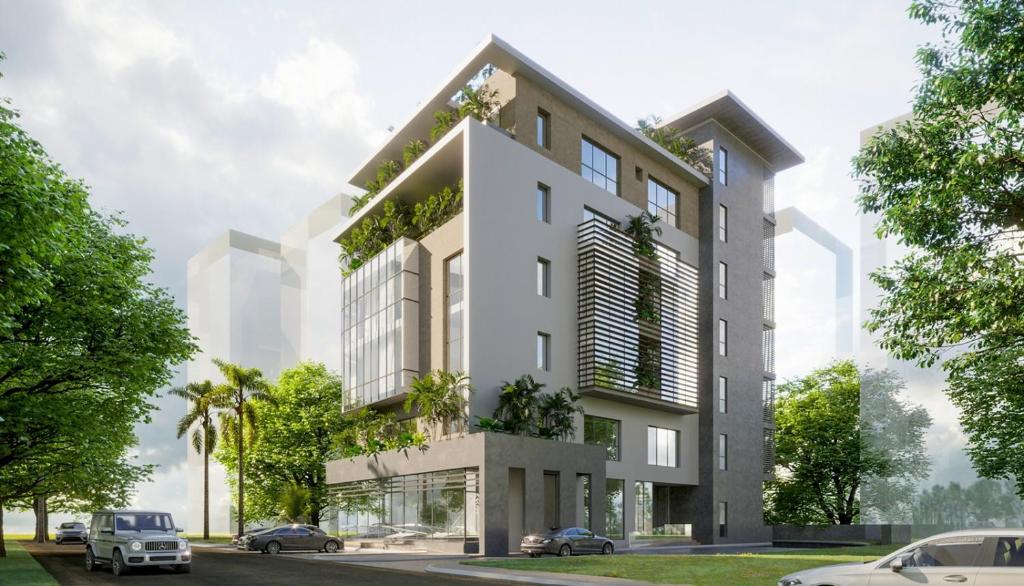
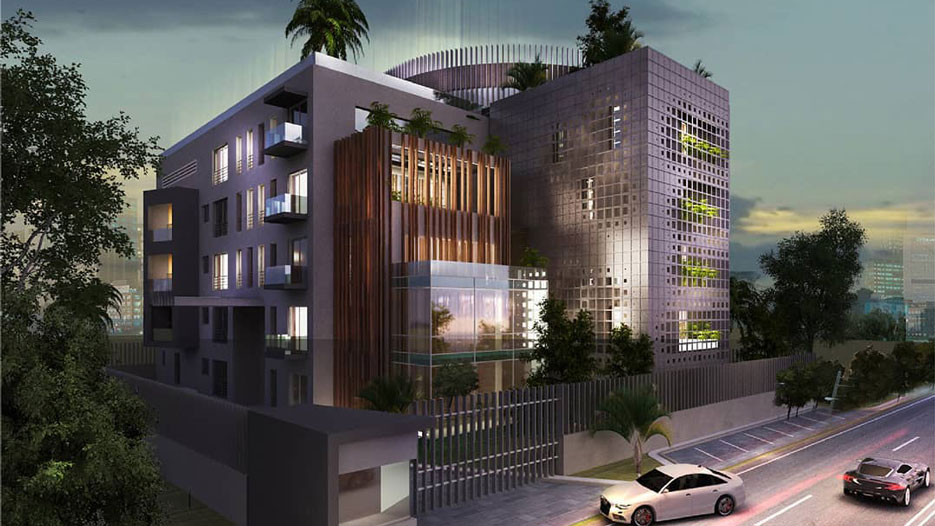
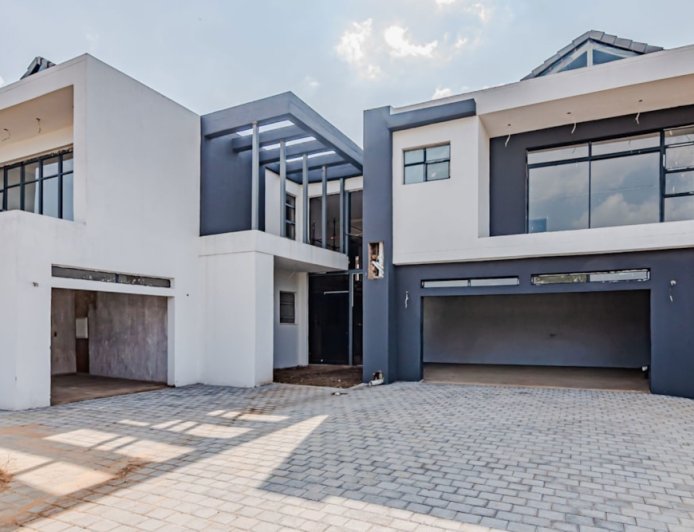
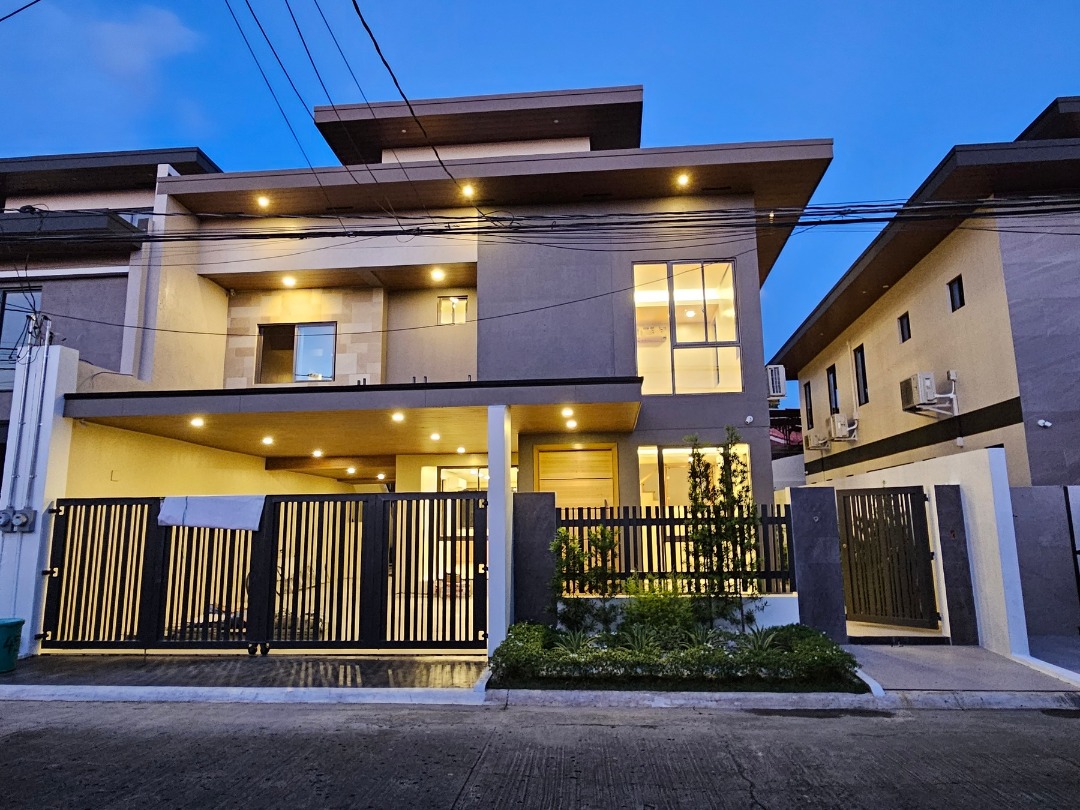
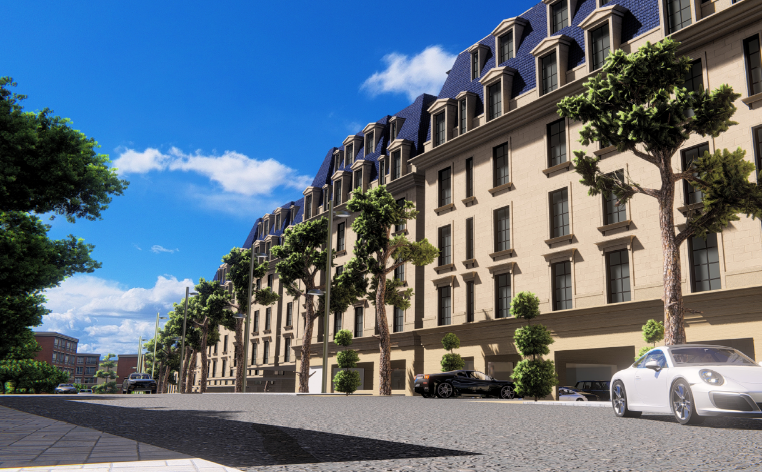
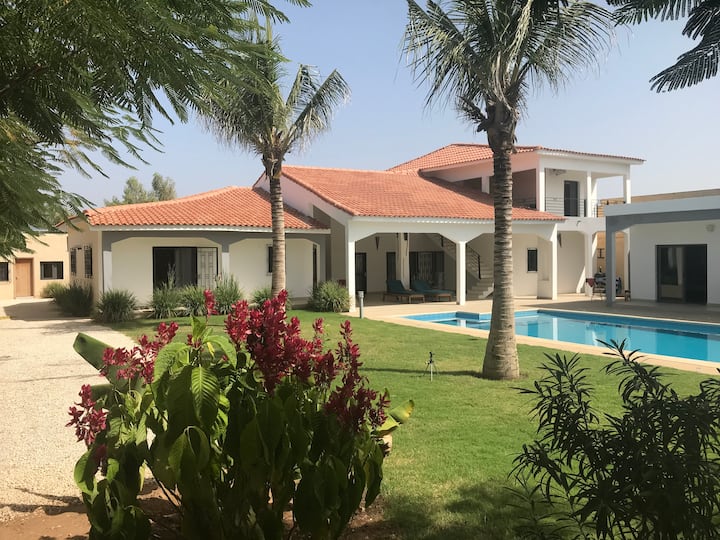
The private sector has responded with gated communities and eco-friendly developments like La Margo Villas in Kwabenya, targeting diaspora investors and upper-middle-class buyers. While these projects contribute to housing stock, they often cater to niche markets, leaving the broader affordability issue unresolved.
Policy reform is essential to unlock the sector’s potential. Streamlining land tenure systems, improving access to long-term financing, and incentivizing developers through tax relief and infrastructure support can catalyze inclusive growth. Public-private partnerships offer a viable pathway, combining government oversight with private sector efficiency to deliver scalable housing solutions.
In conclusion, Ghana’s housing market reflects both the aspirations and constraints of a growing economy. Addressing the affordability crisis requires a multi-pronged strategy that integrates fiscal policy, urban planning, and financial innovation. With coordinated efforts, the sector can evolve into a driver of social equity and sustainable development.



What's Your Reaction?
 Like
1
Like
1
 Dislike
0
Dislike
0
 Love
0
Love
0
 Funny
0
Funny
0
 Angry
0
Angry
0
 Sad
0
Sad
0
 Wow
1
Wow
1