



:max_bytes(150000):strip_icc()/RD_LaurelWay_0111_F-35c7768324394f139425937f2527ca92.jpg)













































Ghana’s Green Housing Revolution: Building a Sustainable Future One Home at a Time
Ghana is steadily embracing a sustainable shift in its real estate sector, with green housing gaining traction across both urban and regional areas. The move toward eco-friendly construction is being driven by growing awareness of environmental concerns, rising utility costs, and a global push for energy efficiency and sustainable development.


Though still in its early stages, green housing in Ghana is evolving rapidly through certified developments, innovative design features, and supportive policies.
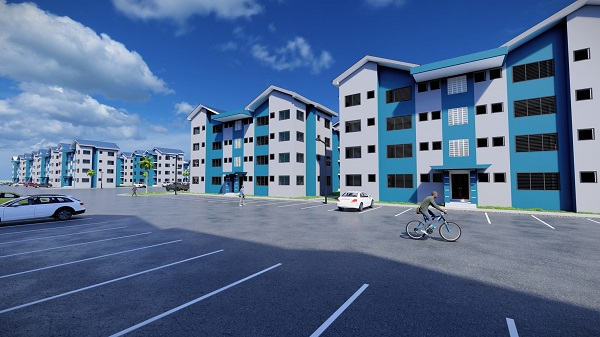
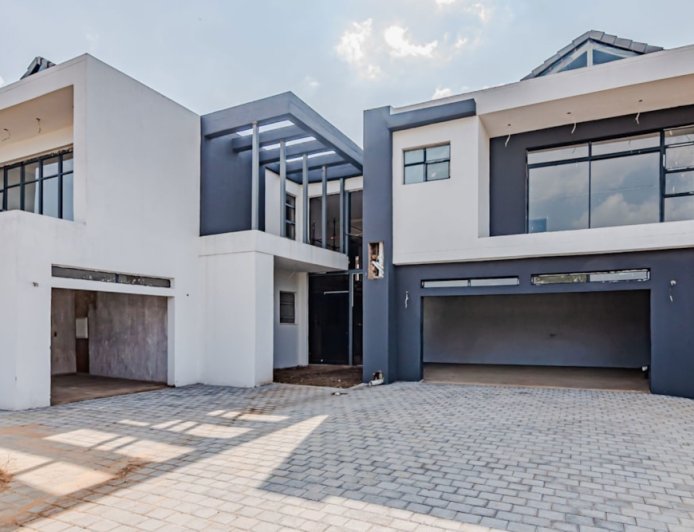
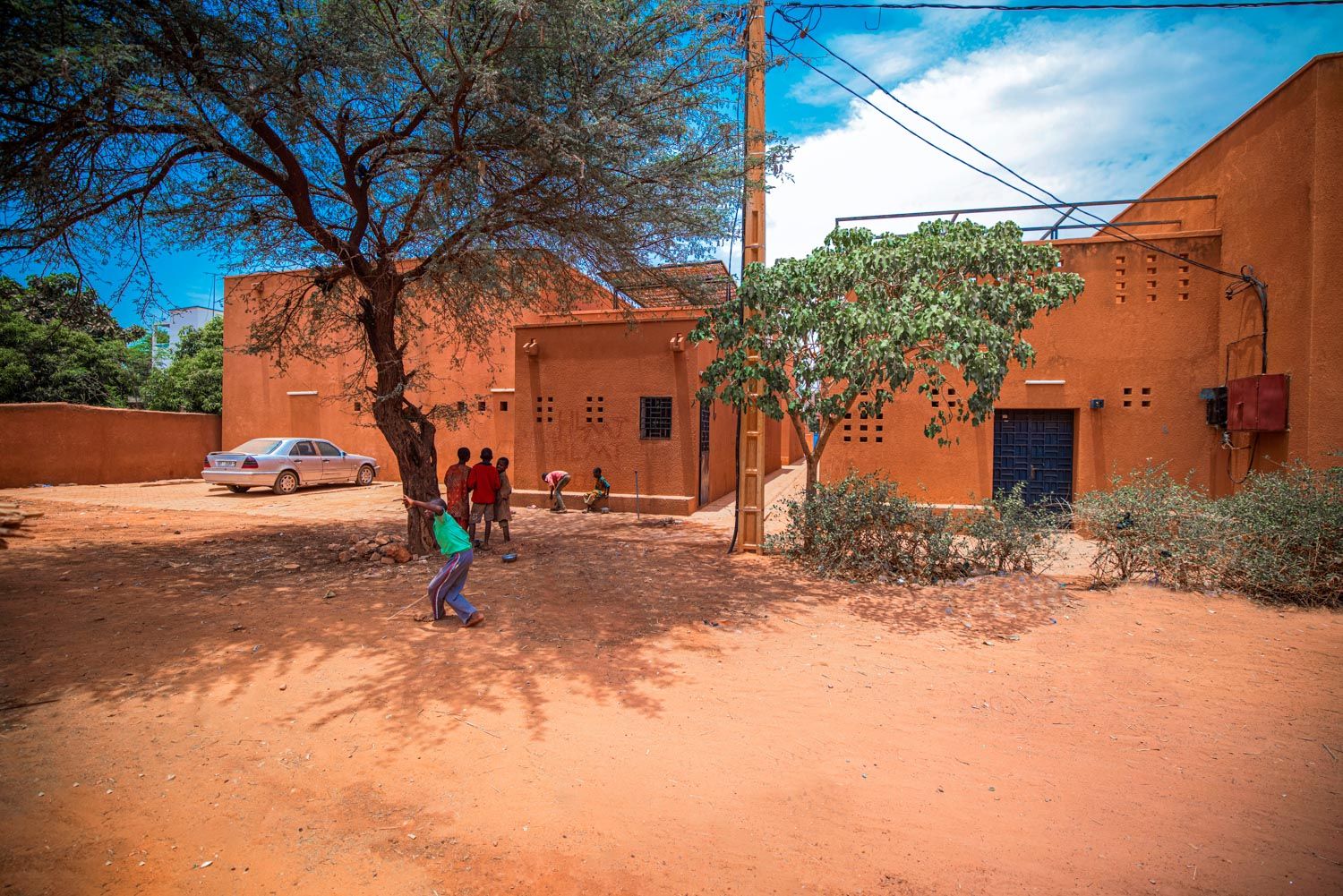
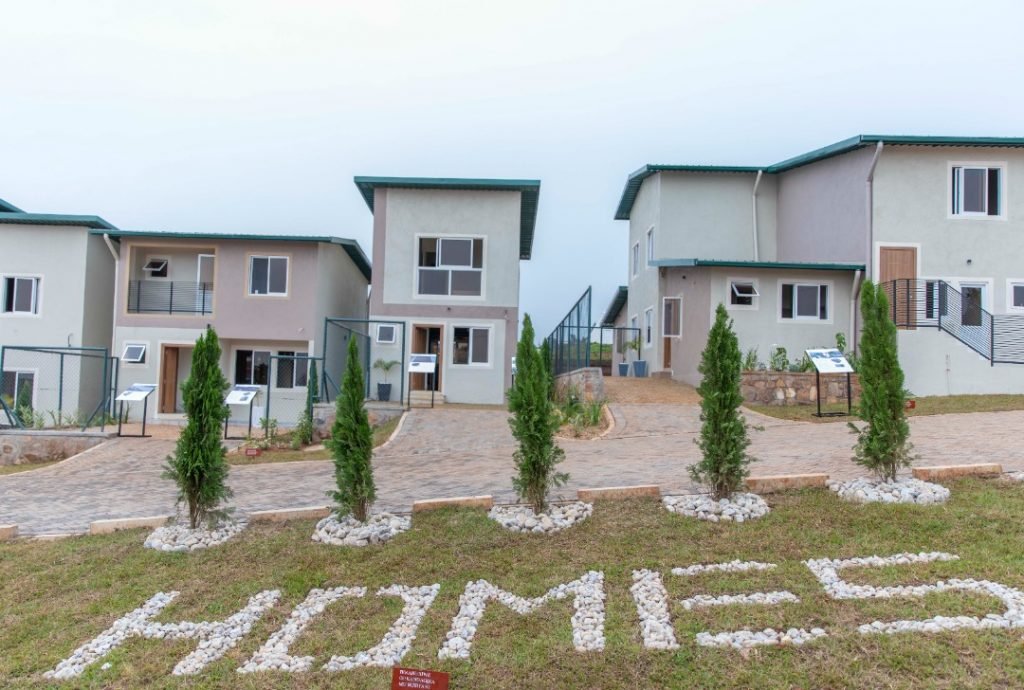
One of the country’s most significant milestones in green construction is the EDGE-certified affordable housing project in Tamale, developed by Reall and the Afreh Group. This initiative delivered 100 two-bedroom homes that achieved remarkable savings—34% in energy use, 31% in water consumption, and a 56% reduction in embodied energy. The project employed compressed earth blocks, passive cooling systems, and low-flow water fixtures, making it the first certified green housing development in Northern Ghana.
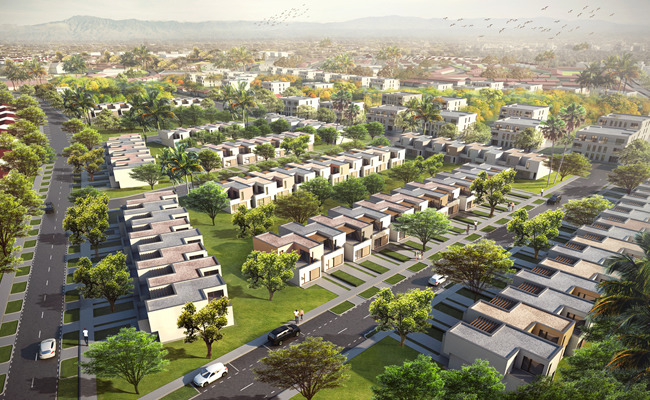
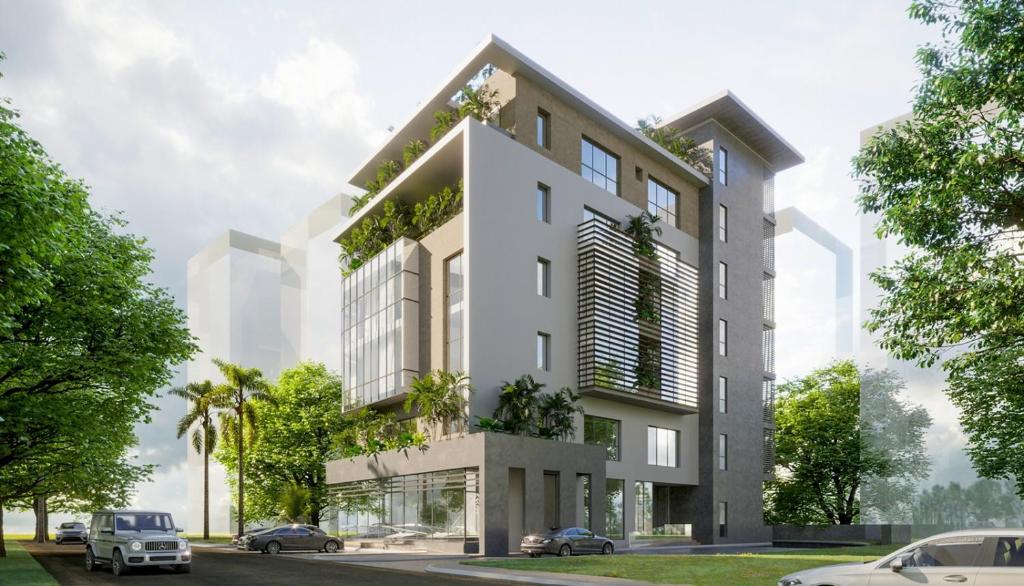
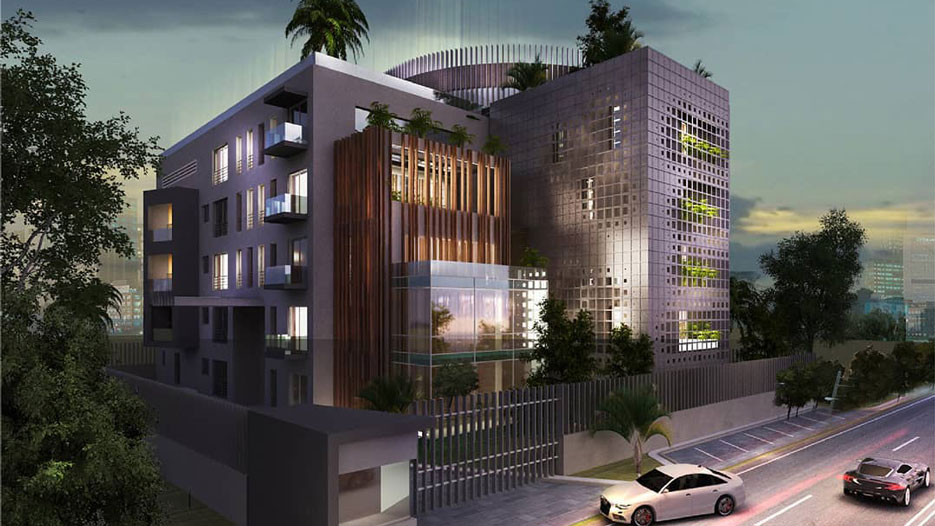
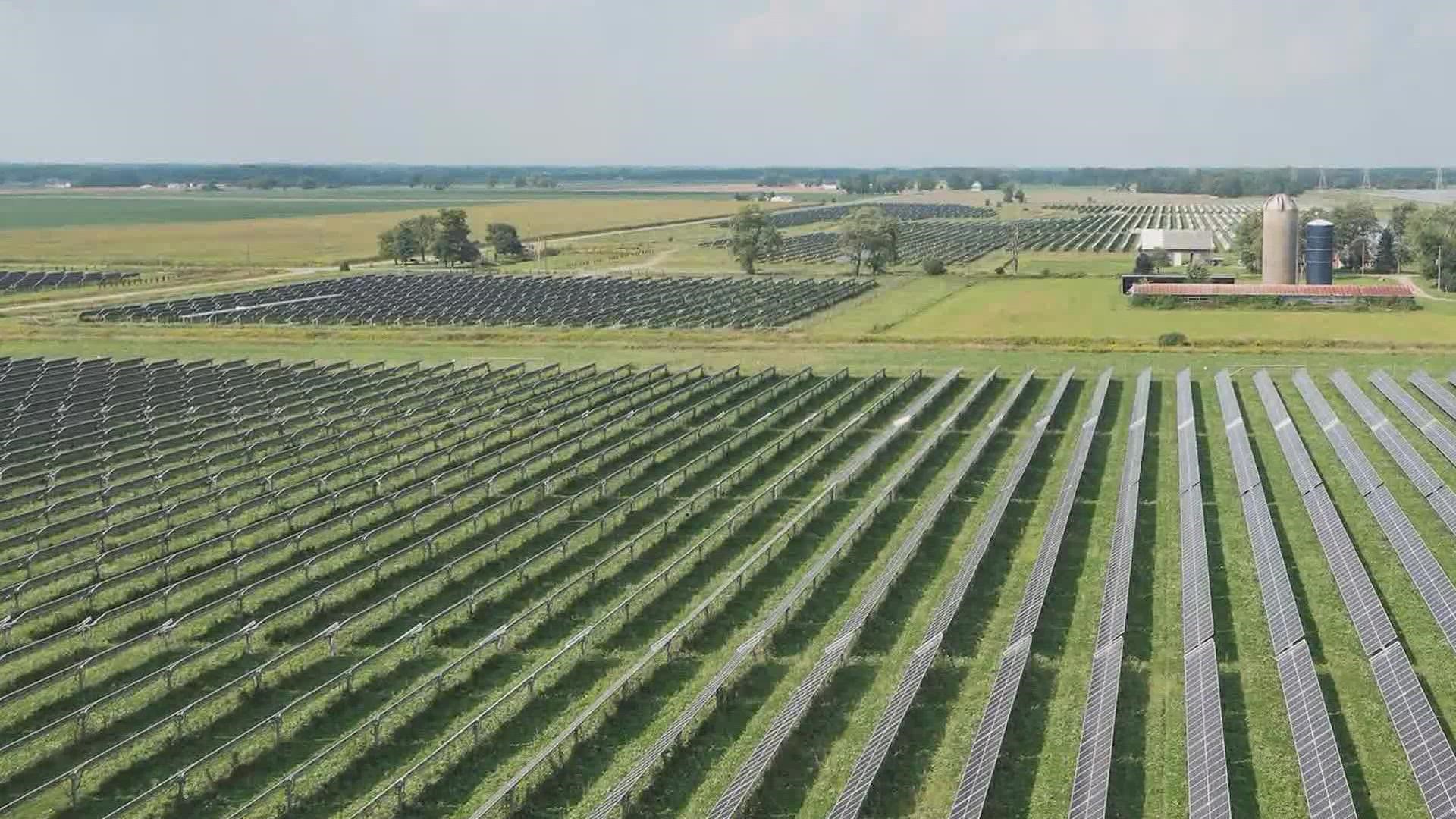
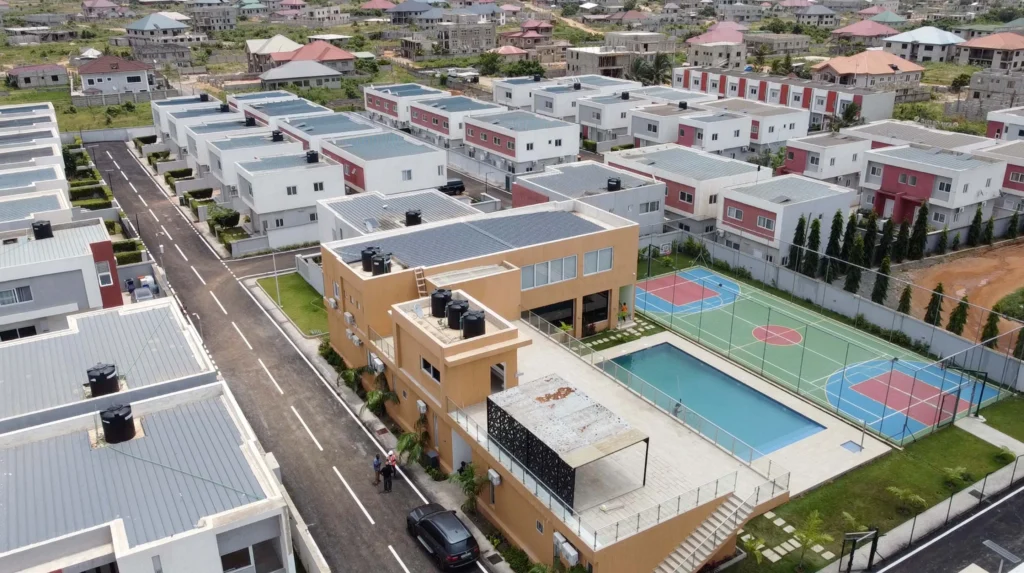
In Accra, Greenviews Residential has become a model estate for sustainable living. With rooftop solar panels, double-wall insulation, organic waste composting, and on-site gardens, the community offers a high standard of eco-conscious urban living. Residents enjoy better air quality, reduced energy bills, and a lifestyle that supports environmental sustainability.
The Ghana Bamboo House and the concept of eco-villages also reflect the country’s commitment to indigenous and natural building methods. These structures use renewable bamboo, passive ventilation, and local materials to reduce environmental impact while promoting cultural relevance and affordability.
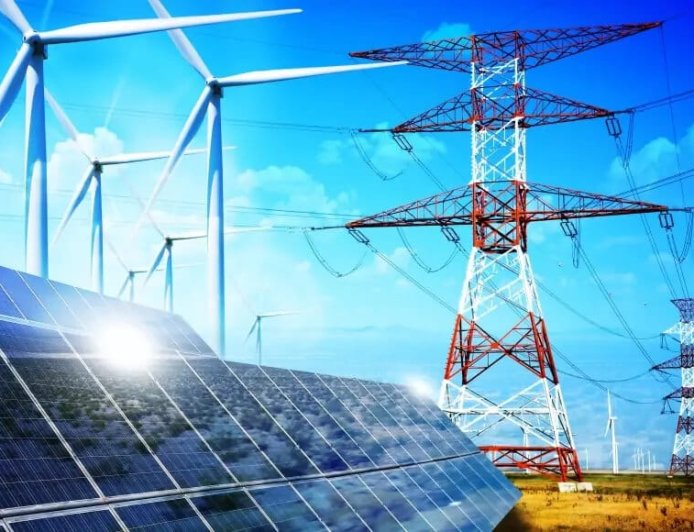
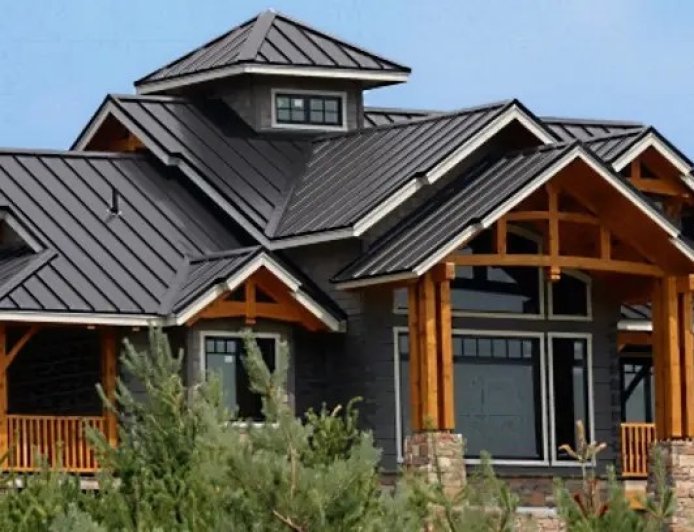
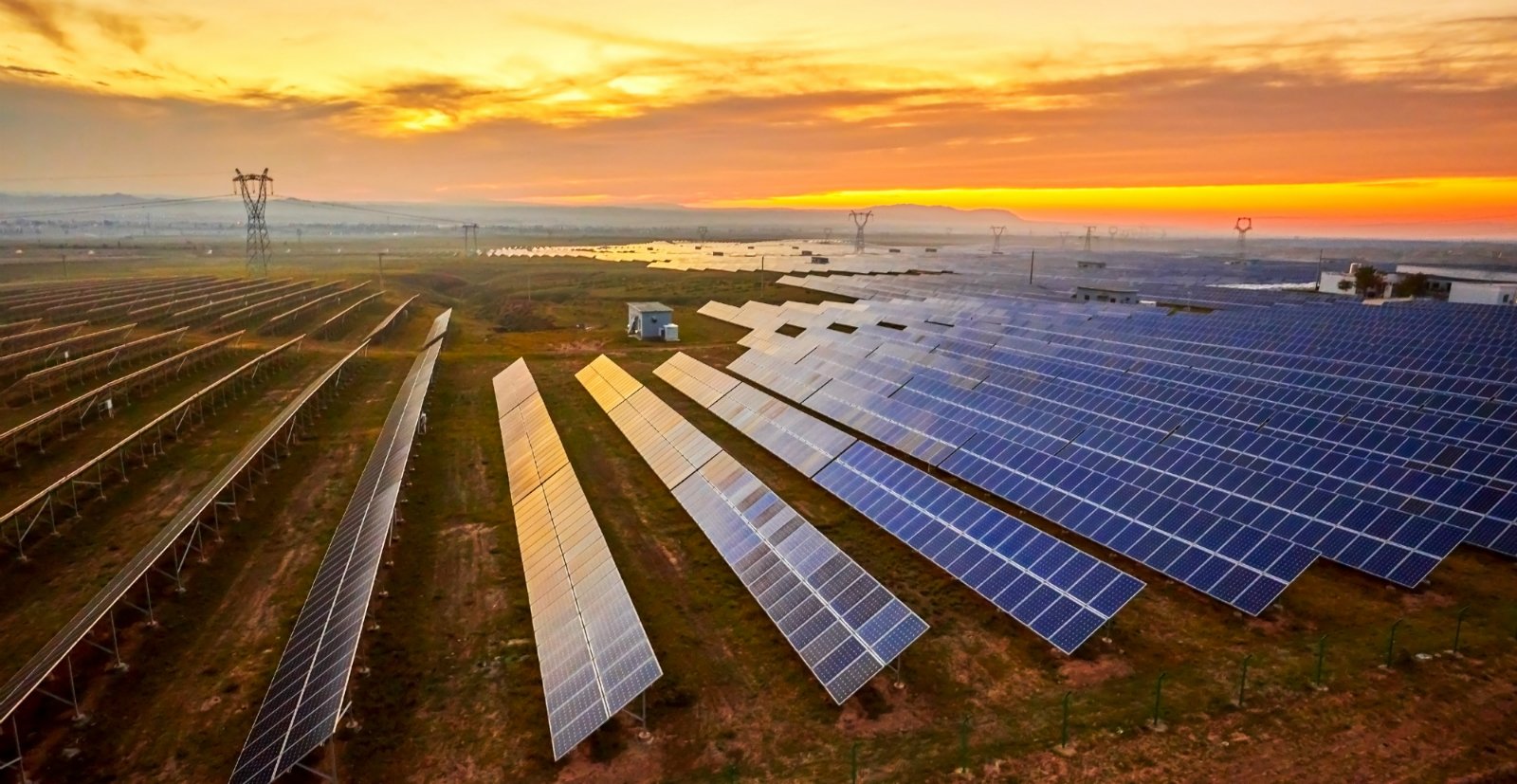
Green housing features across Ghana commonly include solar energy systems, rainwater harvesting, passive architectural design, and the use of local, low-carbon building materials like clay and laterite.
Developers are also integrating waste management systems and biodiversity-friendly landscaping into new projects, making sustainability more accessible to residents.
Although the Ghana Green Building Council (GHGBC), established in 2009, has played a key role in promoting sustainable building standards, challenges remain. Certified green buildings account for just around 1% of residential developments in Accra, with expectations to grow to 20–22% by 2025. Residential uptake, however, remains below 2%, hindered by high upfront costs, a shortage of skilled labor, and limited public awareness.
Nonetheless, the outlook is promising. Municipalities such as Takoradi are offering incentives like permit discounts and expedited approvals for certified green projects. Financial institutions are also starting to require environmental certifications like EDGE as part of funding conditions, encouraging developers to prioritize sustainability.
Ghana’s annual Green Building Summit continues to drive dialogue among stakeholders in policy, design, and finance. New regulations are being phased in, especially for large-scale developments over 6,000 square meters, which could significantly boost adoption rates across the sector.
For individuals looking to build or purchase a green home in Ghana, the path is increasingly clear: work with certified developers, prioritize sustainable features such as solar energy, water-efficient systems, and natural materials, and take advantage of emerging financial incentives.
Green housing in Ghana is not only an environmental imperative—it is fast becoming a smart economic and lifestyle choice.
Source : African Home Buildin News

What's Your Reaction?
 Like
-1
Like
-1
 Dislike
0
Dislike
0
 Love
0
Love
0
 Funny
1
Funny
1
 Angry
0
Angry
0
 Sad
0
Sad
0
 Wow
1
Wow
1