















:max_bytes(150000):strip_icc()/RD_LaurelWay_0111_F-35c7768324394f139425937f2527ca92.jpg)














































































































African Home Building News 05 08 25
Headlines for African Home Building News 05 08 25 Director of Rural Housing Honoured for Championing Local Building Materials The State Housing Company (SHC) plans to partner with local and international construction firms to complete stalled affordable housing projects nationwide


The State Housing Company (SHC) plans to partner with local and international construction firms to complete stalled affordable housing projects nationwide
China's Affordable Housing Push Gains Momentum with New Public Rental Scheme
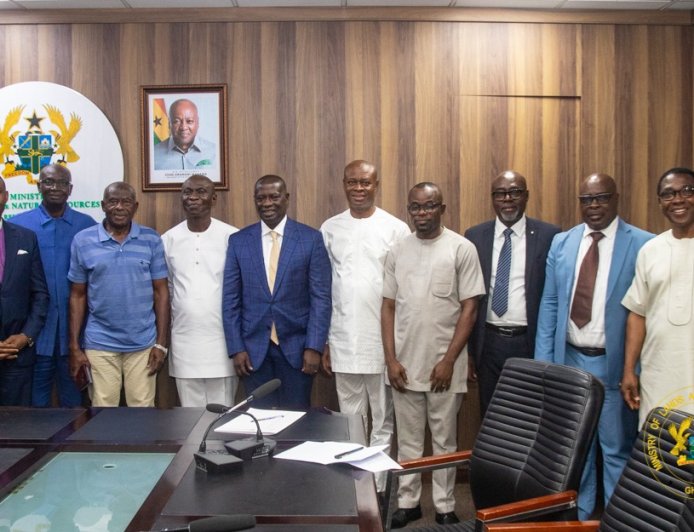
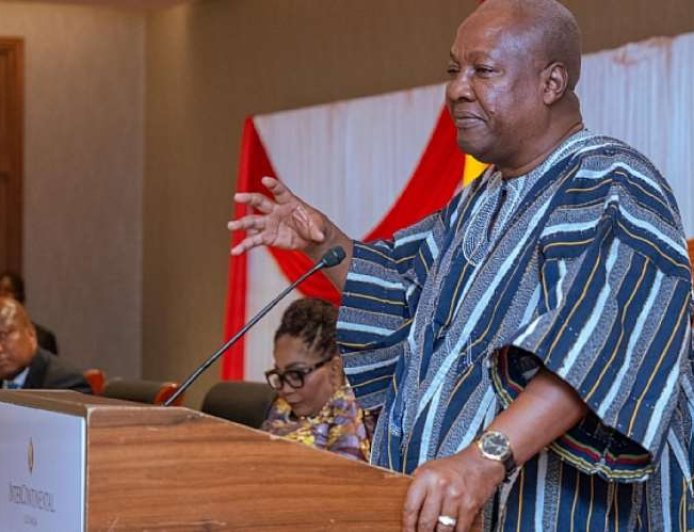
The Office of the Head of Civil Service (OHCS) has honoured Mr Sylvanus Adzornu, Director of the Department of Rural Housing under the Ministry of Works and Housing, for his relentless promotion of locally-made materials in Ghana’s housing sector.
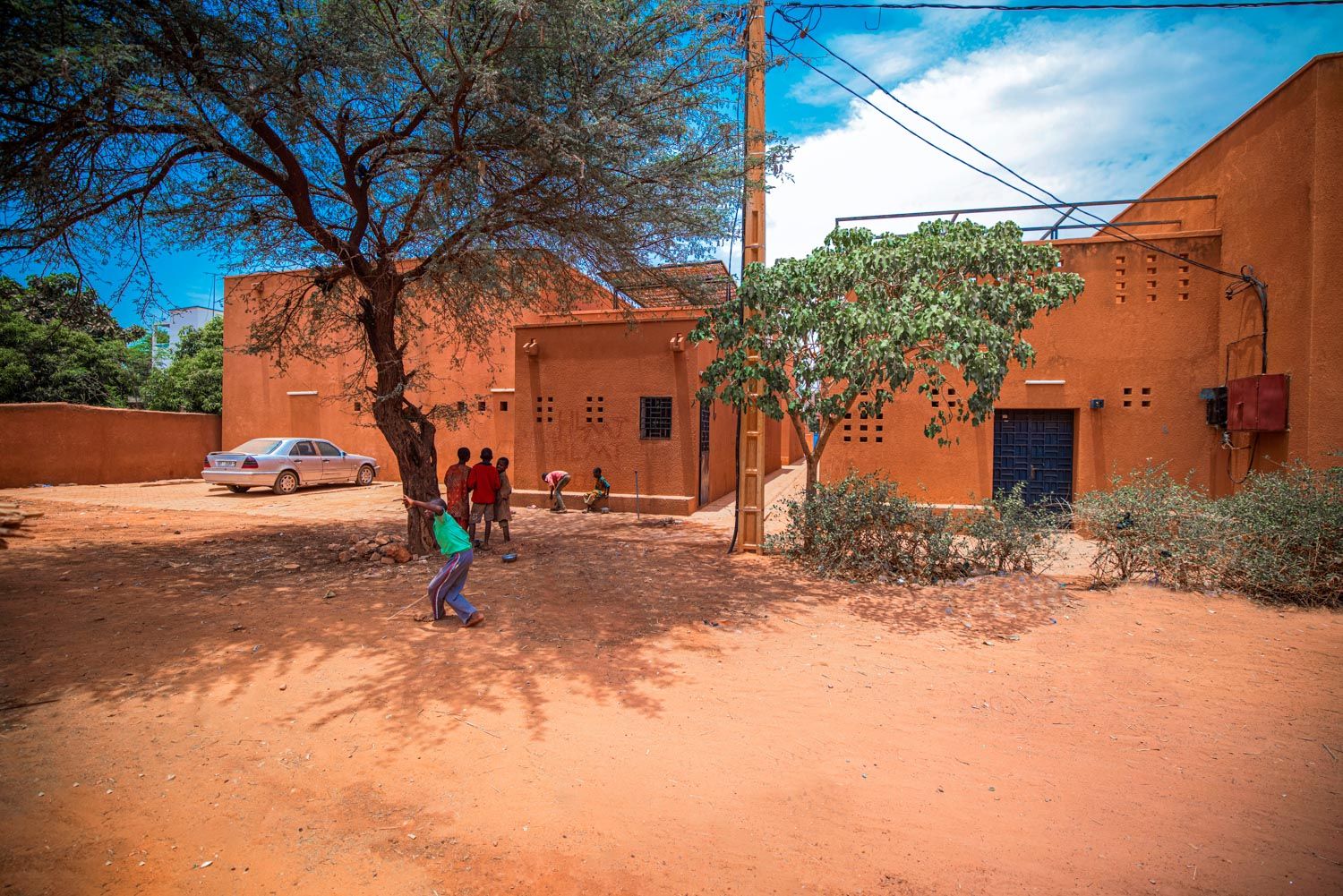
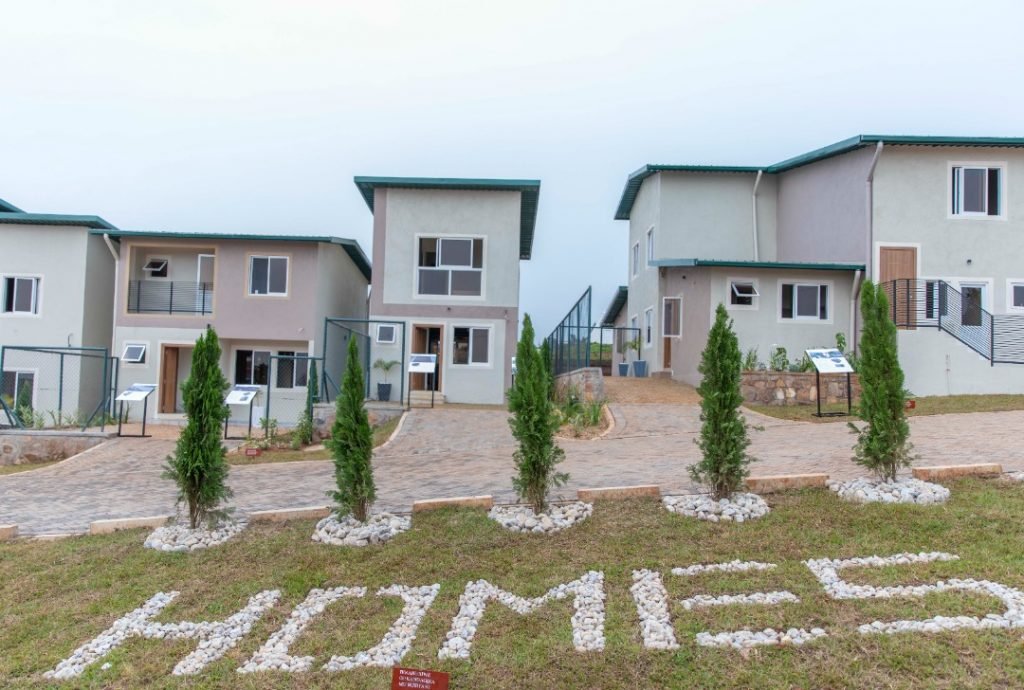
The recognition comes on the back of Mr Adzornu’s sustained advocacy for compressed earth bricks—commonly known as interlocking bricks—which offer a cost-effective and environmentally-friendly alternative to cement blocks. The bricks were developed by engineers at the Building and Road Research Institute (BRRI) to make home construction more affordable for Ghanaians.
Under Mr Adzornu’s leadership, engineers and architects designed houses using these compressed bricks, ranging from one-bedroom to five-bedroom units. The designs are tailored to Ghana’s tropical climate, reducing heat transmission and energy consumption within homes. This innovation not only reduces electricity costs but also supports the broader goal of energy efficiency.
Describing the honour as a reflection of the Department’s advocacy success, Mr Adzornu noted that the bricks have proven to be eco-friendly, cost-effective, and a vital tool in Ghana’s efforts to decarbonise the housing sector.
In a recent interview with the Ghana News Agency, Mr Sylvanus Adzornu highlighted the growing relevance of compressed earth bricks in Ghana’s sustainable development agenda.
He explained that the bricks are made from locally-sourced materials, helping to reduce the environmental impact of construction while also addressing the country’s housing deficit. According to him, the compressed earth bricks “decarbonise” the building process, producing far fewer harmful emissions compared to conventional materials like cement blocks.
“As we promote sustainable development, this is exactly what we need,” Mr Adzornu stated. “These bricks rely on Ghana’s own earth resources and significantly cut down on emissions.”He urged the construction industry to adopt a balanced mix of traditional and alternative building materials to help drive down costs and reduce overdependence on imported or conventional materials.
Mr Adzornu also revealed that the Ministry of Works, Housing and Water Resources has officially approved the use of compressed earth bricks in national housing projects. He called for increased investment to scale up production and expand their use across the country.
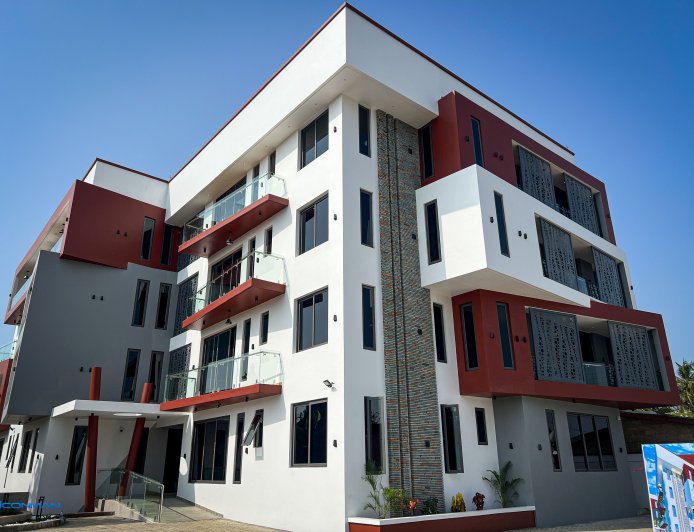
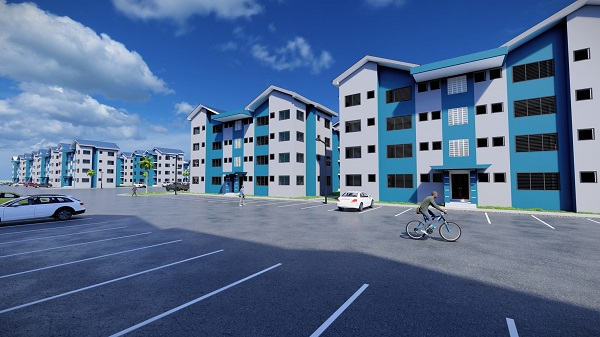
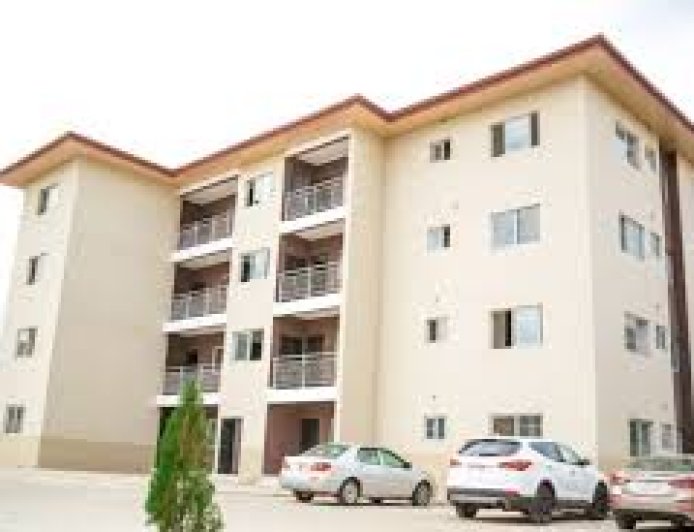
he State Housing Company (SHC) plans to partner with local and international construction firms to complete stalled affordable housing projects nationwide. Under the new strategy, these firms will pre-finance construction, leveraging SHC’s strong brand and consumer trust to ensure quick offtake.
At the commissioning of the Seasons Courts apartments in Adenta on August 4, Managing Director John Bawah stated that this approach would revive delayed projects, citing Pokuase as one of the sites where a contractor will build with their own financing.
China has intensified its efforts to tackle urban housing challenges by expanding its public rental housing scheme, aimed at providing affordable homes for low- and middle-income families in major cities.
According to the Ministry of Housing and Urban-Rural Development, over 2.6 million public rental housing units have been built or renovated nationwide in the first half of 2025 alone.
This initiative is part of a broader national strategy to stabilise the property market, ease housing pressure on young professionals and migrant workers, and reduce reliance on speculative real estate investment. The new rental units are being developed through public-private partnerships, with local governments offering land incentives and subsidies to encourage developer participation.
Officials say the expansion of the scheme supports China’s long-term plan for “housing for living, not speculation,” and will help create a more inclusive urban housing system across the country.
Source : Joycelyn Marigold -African Home Building News


What's Your Reaction?
 Like
0
Like
0
 Dislike
0
Dislike
0
 Love
0
Love
0
 Funny
1
Funny
1
 Angry
0
Angry
0
 Sad
0
Sad
0
 Wow
0
Wow
0