











:max_bytes(150000):strip_icc()/RD_LaurelWay_0111_F-35c7768324394f139425937f2527ca92.jpg)






























































































From Square Footage to Social Footprint: A New Chapter in South Africa’s Property Market
South Africa’s property market is quietly undergoing a seismic shift—one that transcends traditional metrics like square footage, location, and return on investment. A new generation of buyers



South Africa’s property market is quietly undergoing a seismic shift—one that transcends traditional metrics like square footage, location, and return on investment. A new generation of buyers, sellers, and agents is reshaping the landscape, placing authenticity, representation, and lifestyle alignment at the heart of real estate decisions.
At the forefront of this transformation is Tondi Sadiki, a Johannesburg-based real estate entrepreneur and Founder of Buy the Block. His journey—from Limpopo roots to urban real estate leadership—mirrors the broader evolution of the sector. With a background in Business from the University of Pretoria, Sadiki brings a blend of entrepreneurial drive and community-centered values to an industry long criticized for its exclusivity.
“The industry didn’t always reflect the realities or the diversity of the people it serves,” Sadiki reflects. “There was a disconnect, and I wanted to be part of changing that.”
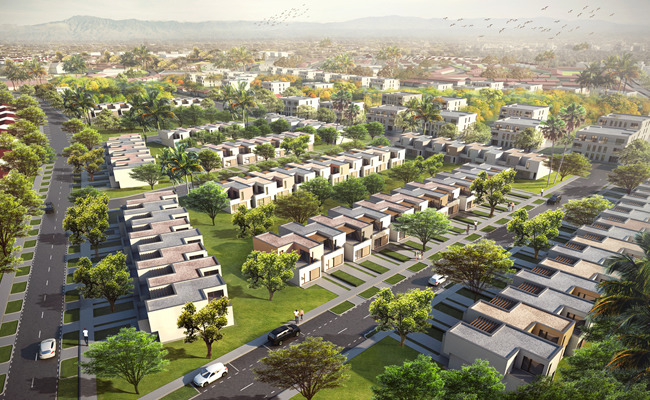
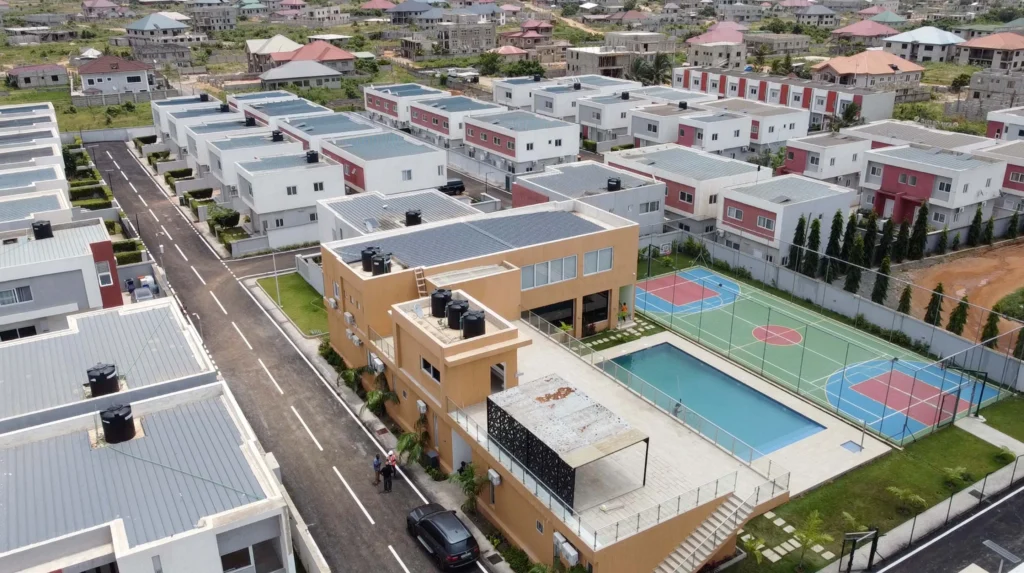
That change is already visible. Urban centers like Johannesburg, Cape Town, and Durban are witnessing a surge in demand for homes that reflect not just wealth, but identity and intention. Buyers are seeking properties near parks, public transport, and community-driven developments—spaces that support the lives they aspire to live.
Beyond Bricks and Mortar: A Lifestyle-Driven Market
Analysts attribute this shift to post-pandemic lifestyle reassessments, flexible work arrangements, and a renewed interest in local community development. The concept of “home” is expanding to include emotional connection, cultural relevance, and social belonging.
This generational pivot also exposes deeper systemic issues. South Africa’s real estate sector has long grappled with exclusionary practices—both formal and informal—that determine who owns, manages, and profits from property. While strides have been made since apartheid, representation remains a critical concern.
Sadiki’s response is bold and unapologetic:
“If the land is ever going to be Black-owned, we’ve got to buy it—block by block.”
His agency doesn’t just sell homes—it reframes the buyer experience. Whether working with first-time homeowners, downsizing families, or investors building generational wealth, Buy the Block emphasizes clarity, honesty, and cultural fit. Each property is treated as a story, not just a listing.
Agents as Guides, Not Gatekeepers
This narrative-driven approach resonates with younger, values-conscious buyers. They want to know more than the price tag—they want to understand the soul of a neighborhood. Is there space to walk, raise children, grow old with dignity? These questions are becoming central to purchase decisions.
In response, developers are reimagining layouts, municipalities are being urged to invest in public infrastructure, and agents are evolving into guides through a more emotionally nuanced process.
For Sadiki and others like him, this moment is both a challenge and an opportunity. It calls for introspection within the industry and demands space for a broader, more inclusive range of voices and visions.
“Real estate has always been about power and access,” Sadiki concludes. “But now, it can also be about community, culture, and care. That’s the direction we’re heading—and I’m excited to be part of it.”
Source : Joycelyn Marigold - African Property Market-South Africa


What's Your Reaction?
 Like
0
Like
0
 Dislike
0
Dislike
0
 Love
0
Love
0
 Funny
0
Funny
0
 Angry
0
Angry
0
 Sad
0
Sad
0
 Wow
0
Wow
0

/file/dailymaverick/wp-content/uploads/2021/11/amab-jhbinvestpart2-option-1.jpg)