















:max_bytes(150000):strip_icc()/RD_LaurelWay_0111_F-35c7768324394f139425937f2527ca92.jpg)

































































































Nigeria’s Real Estate Sector Overtakes Oil as Third-Largest GDP Contributor
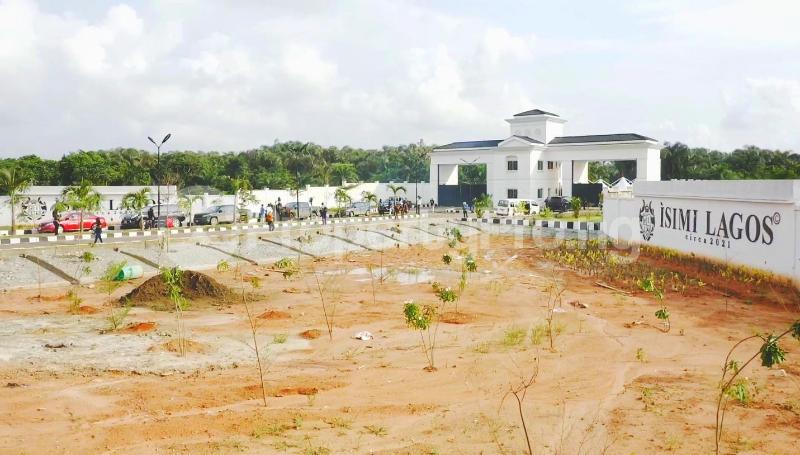
Nigeria’s real estate sector has officially overtaken crude oil and natural gas to become the third-largest contributor to the nation’s Gross Domestic Product (GDP), marking a historic turning point in the country’s economic trajectory.



Nigeria’s real estate sector has officially overtaken crude oil and natural gas to become the third-largest contributor to the nation’s Gross Domestic Product (GDP), marking a historic turning point in the country’s economic trajectory.
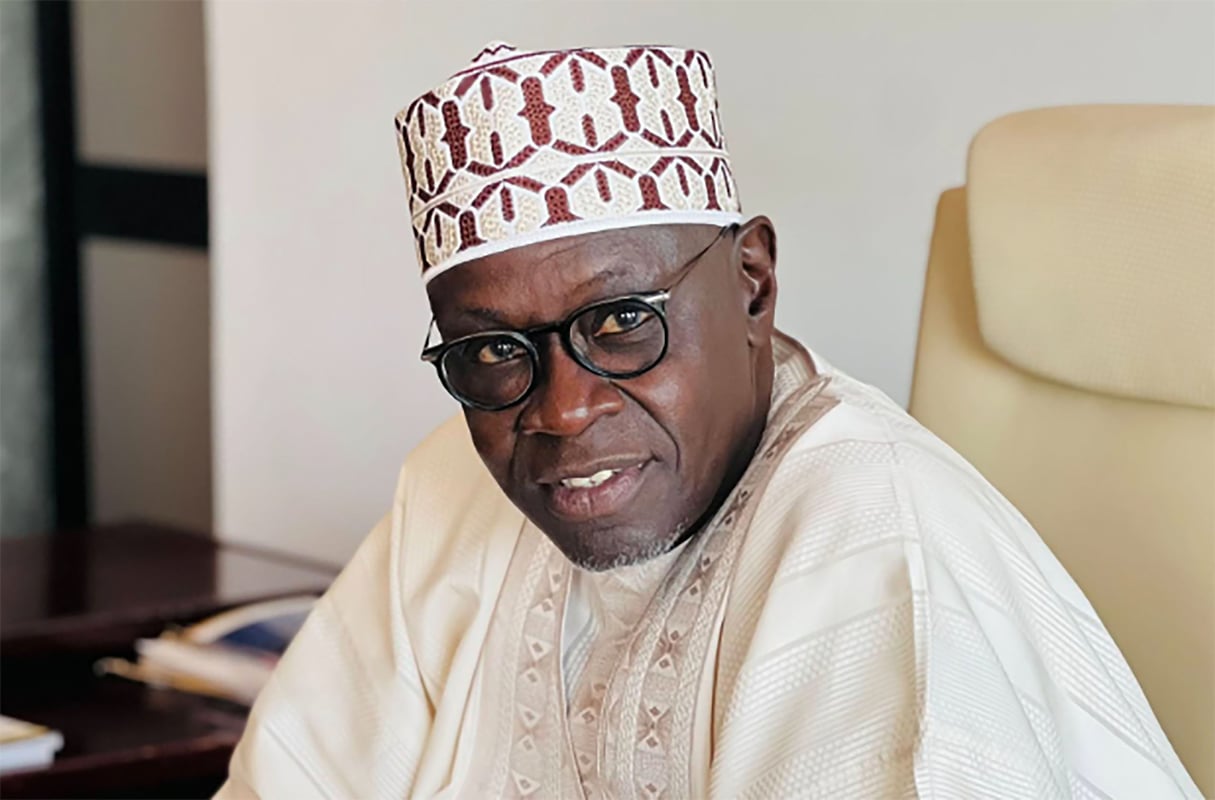
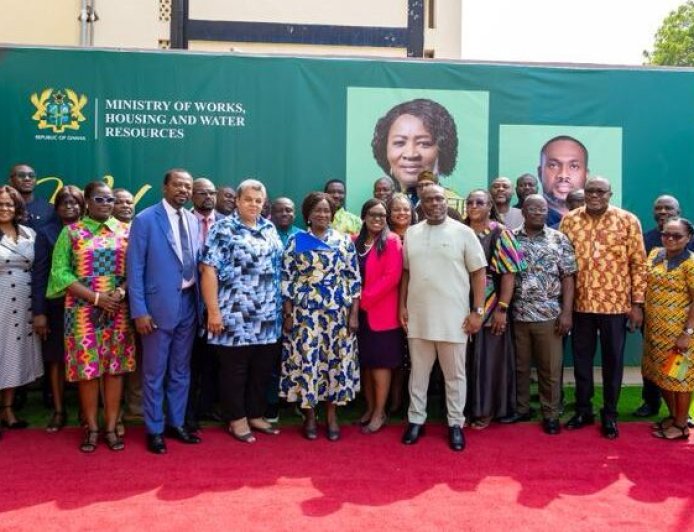
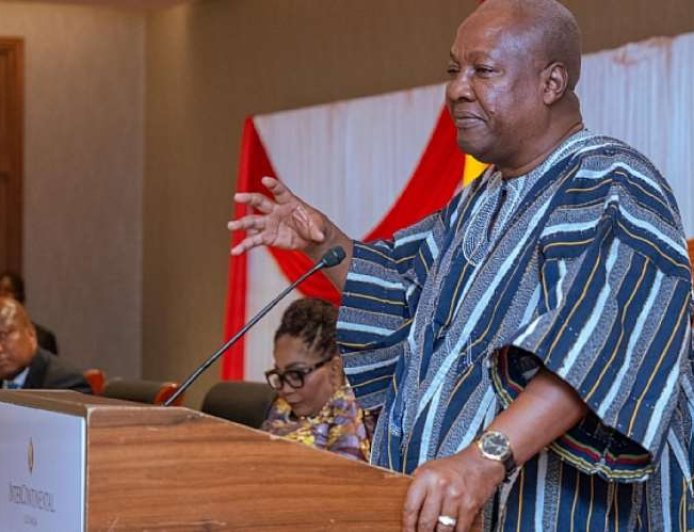
Announced by the Statistician General of the Federation, Semiu Adeniran, during the African International Housing Show (AIHS) in Abuja, underscores a decisive shift away from decades of oil dependency towards a more diversified and resilient growth model anchored in housing and construction.
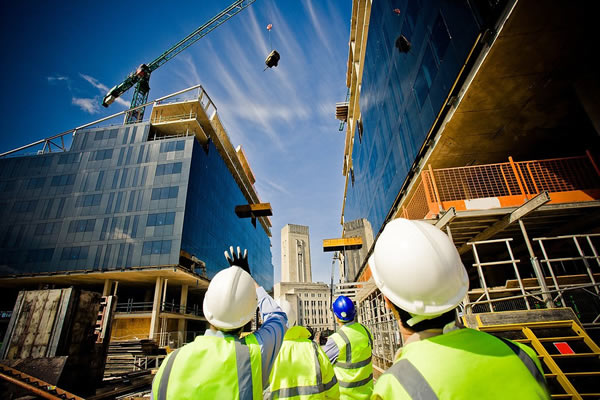
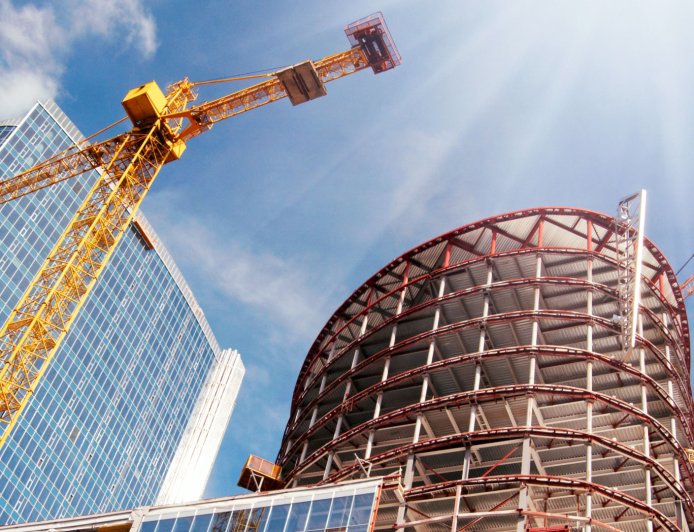
The rebased GDP figures, which update the reference year to capture emerging industries and economic dynamics, show that real estate now contributes 10.7% to the GDP—up from 6.2%—while the construction sector accounts for 5.2%. Together, the two sectors represent 15.9% of Nigeria’s GDP, an increase from 12.4%, translating into a staggering N14.6 trillion in real terms. Adeniran described this growth as evidence of the sector’s central role in national development, highlighting the impact of urbanization, infrastructure expansion, and the informal operators driving grassroots housing activities.
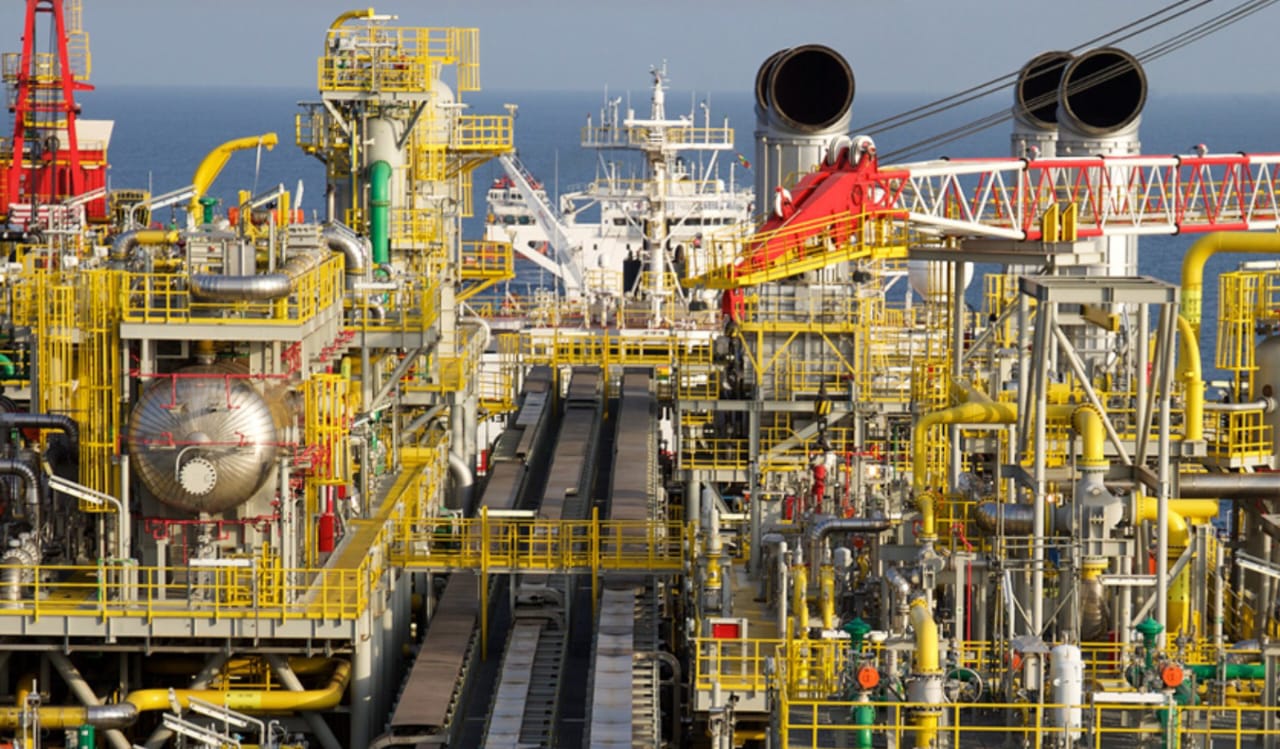
For decades, Nigeria’s economic fortunes rose and fell with global oil prices, exposing the country to volatility that hindered the development of non-oil industries. The rebasing exercise has once again expanded the economic picture, revealing how rapidly real estate has surged, outpacing traditional industries and surpassing the oil and gas sector. This transformation reflects an economy increasingly shaped by internal demand, demographic pressures, and investments in physical infrastructure, rather than the fluctuating fortunes of global commodities.
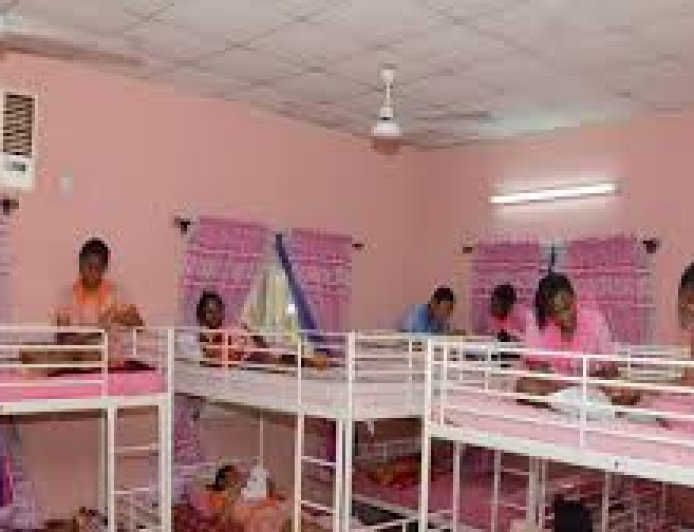
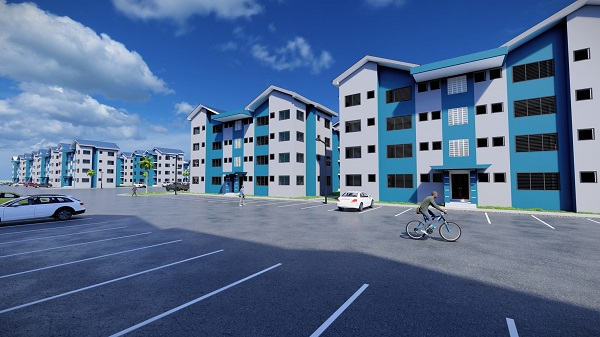
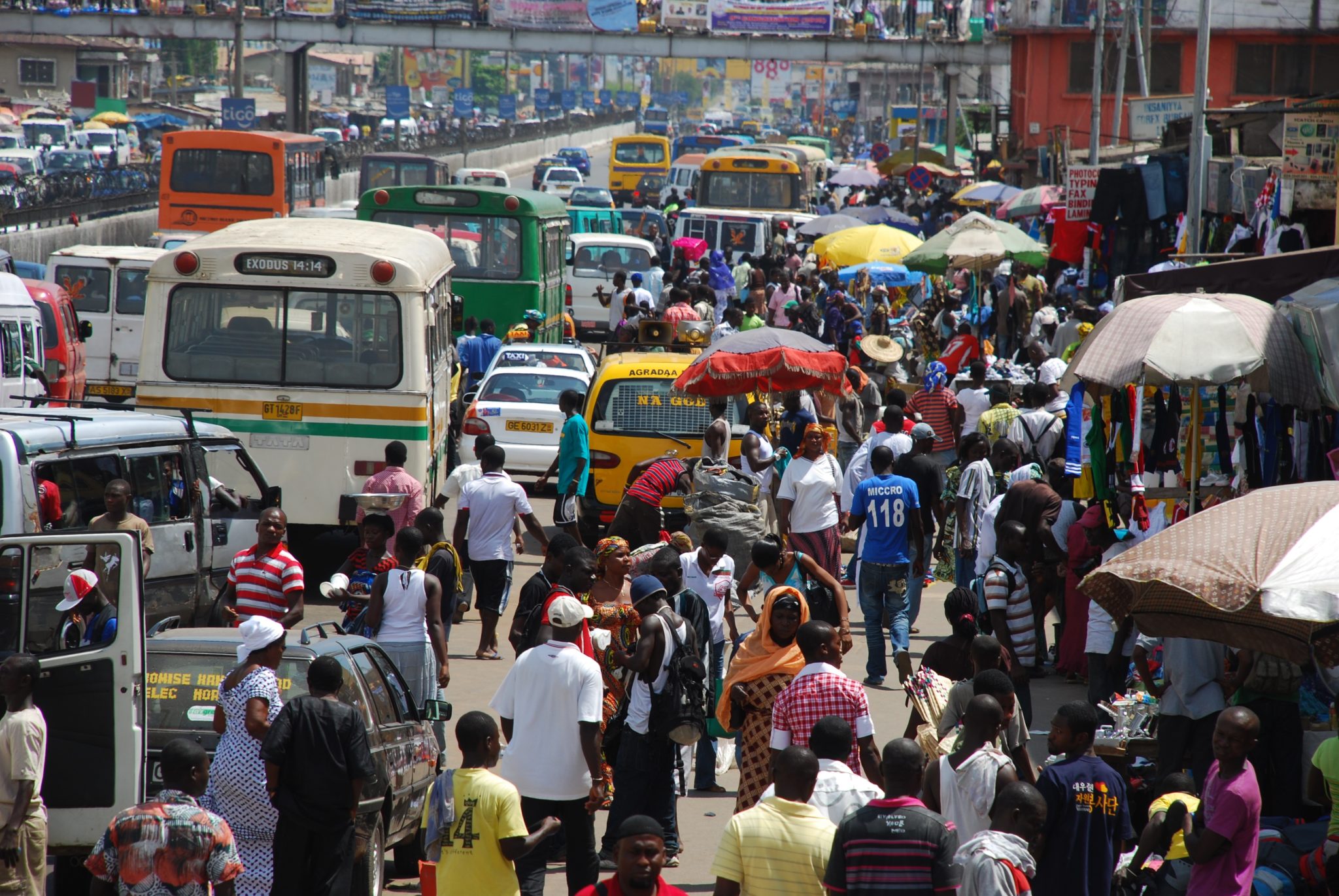
Nigeria’s housing boom is fueled by a powerful combination of factors. The country’s population of over 200 million—set to make it the world’s third most populous nation by 2050—continues to drive demand for housing, particularly in urban centers. Rural-to-urban migration, the dominance of youth demographics, and changing lifestyles are intensifying pressure on city housing stock, leading to overcrowding and rising property costs. Yet, this challenge is also creating opportunities for developers and investors, with demand spanning affordable housing, rental markets, student accommodation, and mixed-use developments.
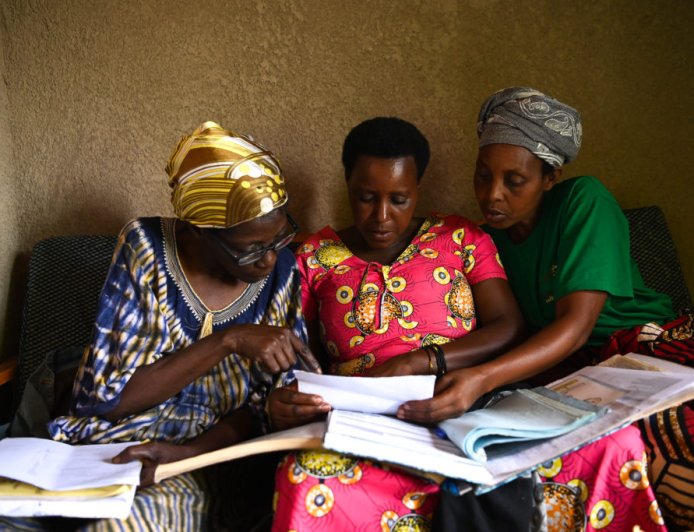
Despite the progress, the country faces a daunting housing deficit of more than 20 million units. Only 38.2% of urban dwellers currently own their homes, leaving over 60% reliant on rentals. This deficit underscores not only the urgency of expanding housing supply but also the potential of Nigeria’s rental market. Affordable housing for low and middle-income earners remains a critical development target, aligning with the United Nations’ Sustainable Development Goal 11 on sustainable cities and human settlements.
The informal sector’s heavy involvement in housing construction and sales has also played a decisive role in the sector’s rapid growth. While this has contributed significantly to GDP, it poses challenges for regulation and data accuracy. Adeniran stressed the importance of reliable and granular data to guide policymaking, attract investor confidence, and design sustainable housing solutions. Accurate data, he argued, will allow Nigeria to maximize the multiplier effects of real estate investment, which span manufacturing, trade, logistics, finance, and professional services, while also creating millions of jobs.
The AIHS theme, “Re-imagining housing through innovation, collaboration and policy,” captures the urgency of building a coordinated approach to Nigeria’s housing future. Experts argue that land tenure reforms, easier access to affordable financing, and streamlined regulatory systems will be essential to sustaining momentum. Stronger collaboration between government, developers, financial institutions, and international partners will also be key to bridging the housing gap.
The rise of real estate as Nigeria’s third-largest economic contributor is more than a statistical adjustment—it represents a redefinition of the nation’s economic identity. As oil’s dominance wanes, housing and construction are emerging as engines of inclusive growth, offering pathways to employment, investment, and sustainable development. Nigeria now stands at the threshold of a new economic dawn, with the real estate sector positioned not only to anchor its GDP but also to shape the social and developmental landscape for decades to come.



AFRICAN HOUSING SHOW UK & THE AFRICAN PROPERTY EXCELLENCE AWARDS
What's Your Reaction?
 Like
0
Like
0
 Dislike
0
Dislike
0
 Love
0
Love
0
 Funny
0
Funny
0
 Angry
0
Angry
0
 Sad
0
Sad
0
 Wow
0
Wow
0