
















:max_bytes(150000):strip_icc()/RD_LaurelWay_0111_F-35c7768324394f139425937f2527ca92.jpg)

















































































































African Nations Take Control of Resources: How Namibia, Ghana, Niger, and Others Are Redefining Global Supply Chains
Emergency meetings are underway in Western capitals, not over trade tariffs, but because factories are shutting down due to a sudden shortage of raw materials. Stock markets from London to New York are flashing red, while companies scramble to adjust. For decades, the West assumed Africa’s resources—lithium, gold, cocoa, coffee, timber, uranium, and chrome—would flow endlessly, cheaply, and compliantly. That assumption has now been shattered.



Emergency meetings are underway in Western capitals, not over trade tariffs, but because factories are shutting down due to a sudden shortage of raw materials. Stock markets from London to New York are flashing red, while companies scramble to adjust. For decades, the West assumed Africa’s resources—lithium, gold, cocoa, coffee, timber, uranium, and chrome—would flow endlessly, cheaply, and compliantly. That assumption has now been shattered.
Several African nations have taken decisive action to ensure that their natural resources benefit local economies rather than just foreign corporations.
Namibia, a major lithium producer, restricted exports of unprocessed lithium in 2023. Foreign companies now must refine, process, or invest locally. Automakers and battery producers like Tesla and Volkswagen are forced to either invest in Namibian facilities or search for increasingly scarce alternatives. Namibia has transformed from a passive supplier to a strategic gatekeeper of the green economy.
Ivory Coast, which produces nearly 40% of the world’s cocoa, has restricted raw cocoa exports while investing heavily in local chocolate manufacturing. This ensures jobs, local industry development, and that more profits remain in Abidjan. Western chocolate companies now have to partner locally or risk losing access to cocoa.
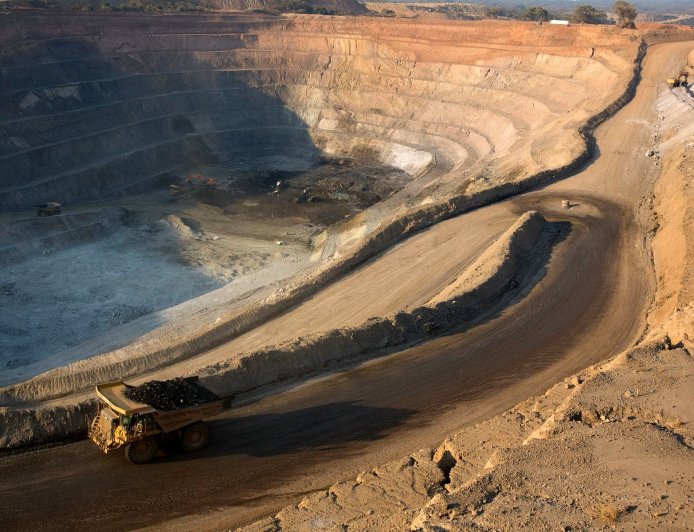
The Democratic Republic of Congo, home to over 70% of global cobalt reserves, requires companies to process minerals domestically. Apple, Tesla, and Samsung now face rising costs and tighter supply chains, while the DRC strengthens its position in the global tech and energy market.
Zimbabwe has banned raw chrome exports, forcing the creation of local smelting and processing plants. Ghana’s gold sector has seen reforms, with mining companies required to sell a portion of refined gold to the Bank of Ghana and process part of their output locally, protecting national wealth and economic sovereignty.
Uganda banned raw exports of coffee, tea, and iron ore. Only processed products now leave the country, creating jobs, generating tax revenue, and allowing farmers to benefit from the true value of their labor. Gabon and Mozambique introduced similar bans on raw timber exports, promoting local furniture and plywood industries.
Finally, Niger, which supplies uranium for France’s nuclear energy sector, imposed strict export controls. French energy companies now face higher costs and reduced supply, while Niger leverages its resources for economic sovereignty.
These measures reflect a growing trend across Africa: nations are reclaiming control over their resources, demanding fair partnerships, and building local industries. Analysts predict that this could lead to an African continental alliance coordinating resource policies—an OPEC-style model—to strengthen Africa’s influence in global markets.
Africa is no longer content to be the world’s raw materials supplier. It is taking its rightful place at the table, ensuring that its wealth fuels domestic growth and development rather than foreign profit.
Source : African Property Magazine- Property Express


What's Your Reaction?
 Like
0
Like
0
 Dislike
0
Dislike
0
 Love
0
Love
0
 Funny
0
Funny
0
 Angry
0
Angry
0
 Sad
0
Sad
0
 Wow
0
Wow
0