












:max_bytes(150000):strip_icc()/RD_LaurelWay_0111_F-35c7768324394f139425937f2527ca92.jpg)





































































Africa Home Building News 13 08 25
Headlines for African Housing News Ayawaso West Municipal Assembly gives property owners 60 days to legalize unauthorized developments or face demolition and prosecution Ghana’s rental market increasingly depends on informal agents who connect landlords and tenants South Africa Faces Rising Unrest Amid Evictions in Growing Housing Crisis



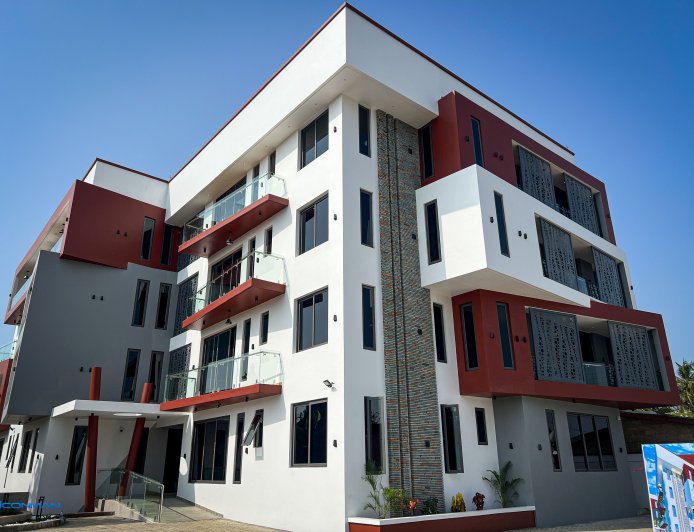
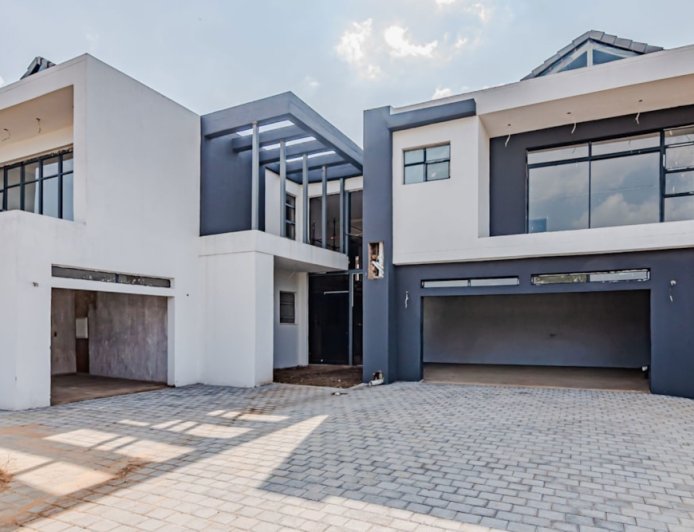
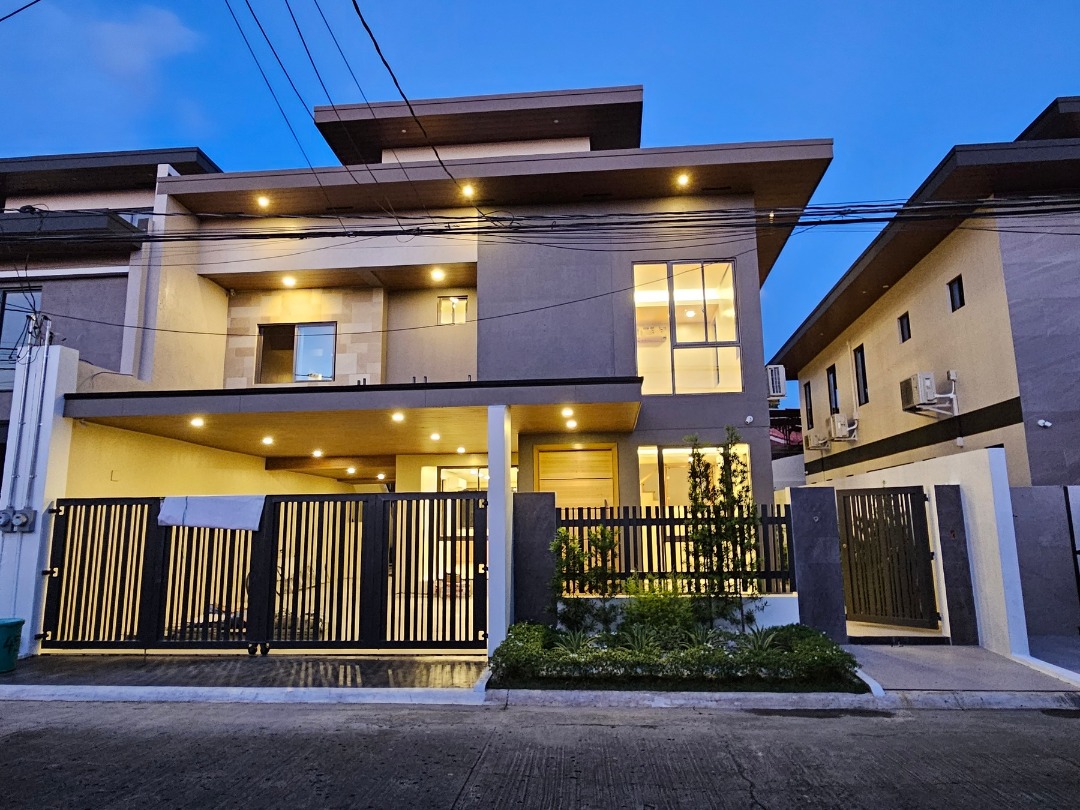
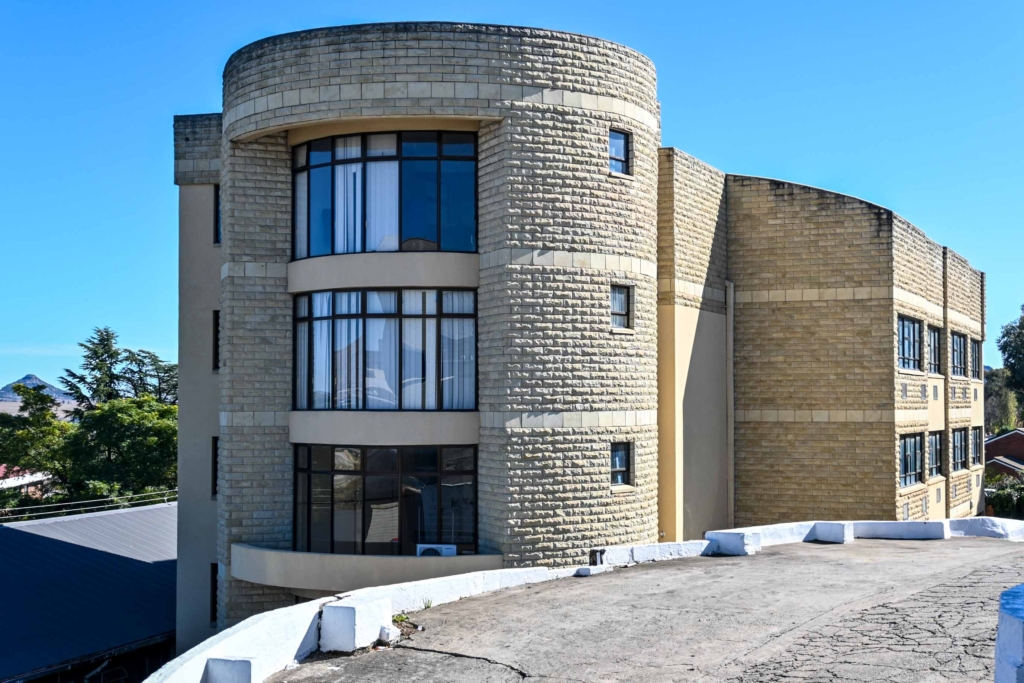
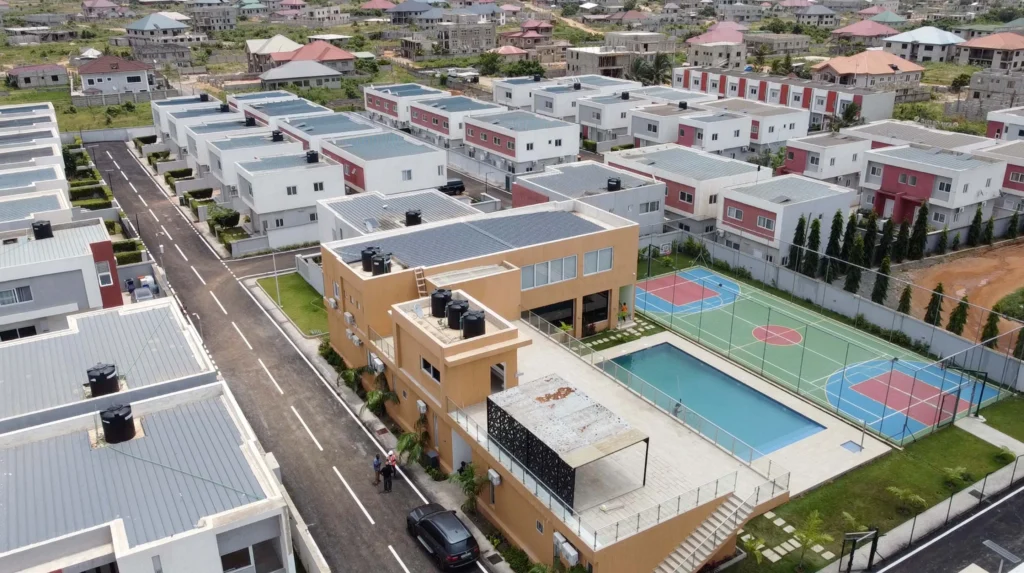
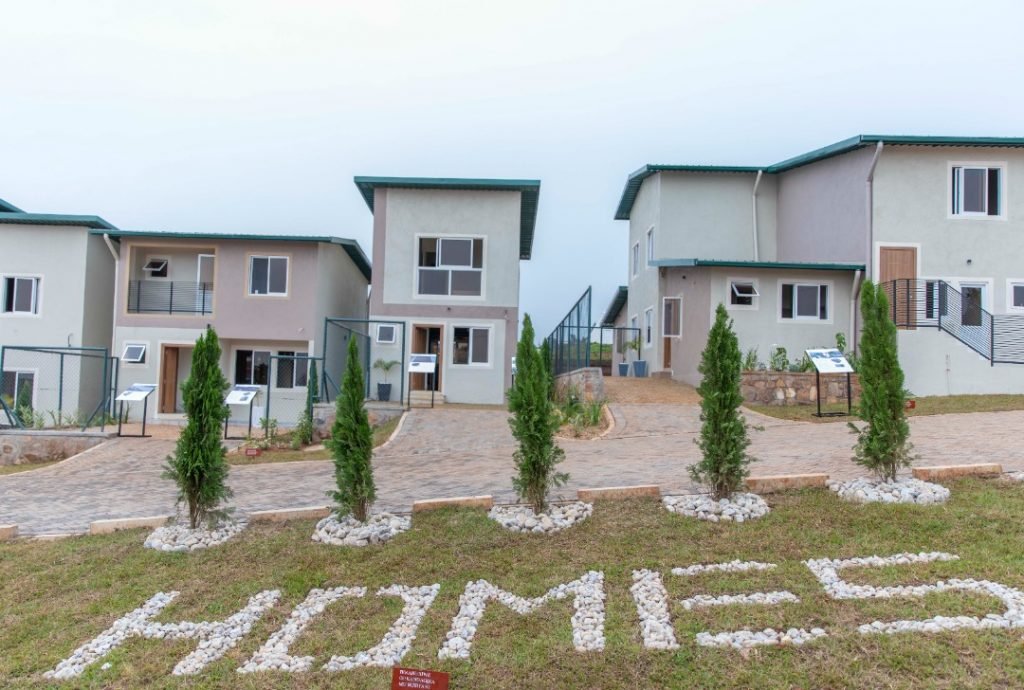
The Ayawaso West Municipal Assembly has given property owners 60 days to legalize unauthorized developments or face demolition and prosecution. The directive targets illegal constructions in areas like Shiashie, Airport Residential Area, and East Legon.
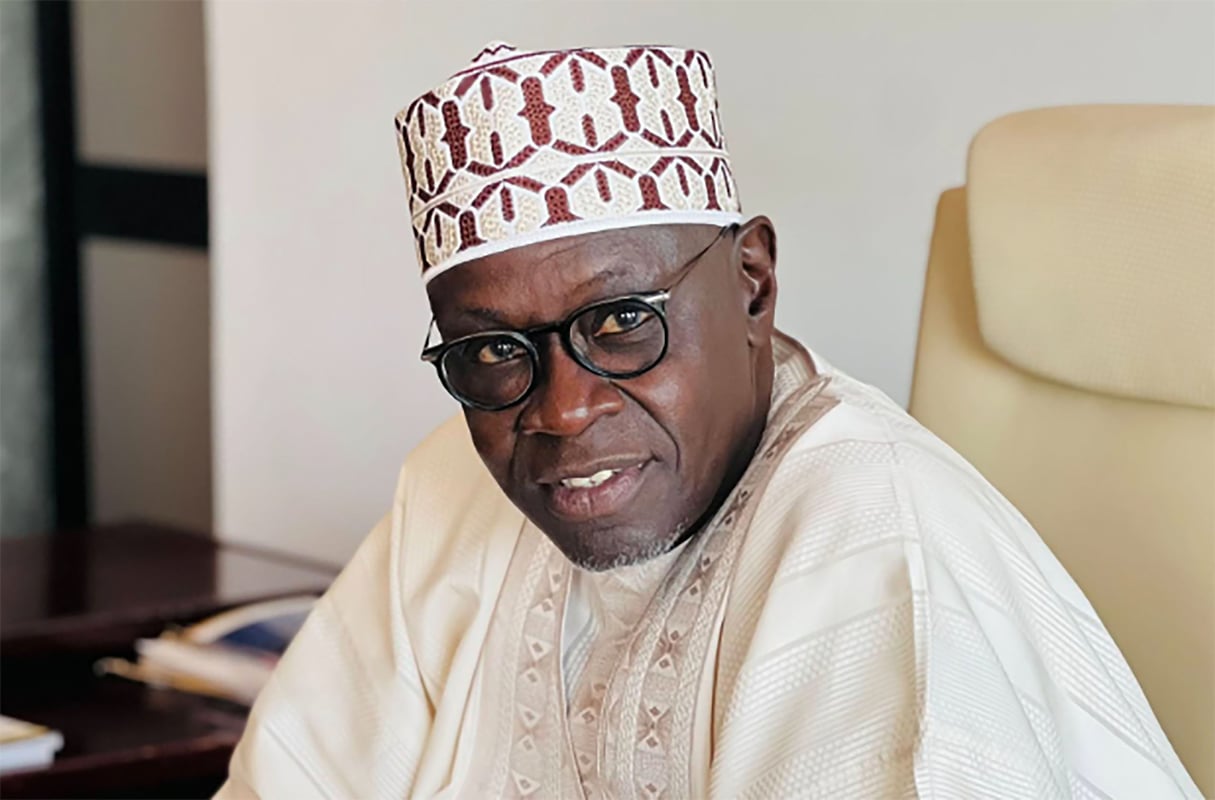
Municipal Chief Executive Jacob Shamatey explained that many structures rely on dubious permits, but only permits endorsed by the Assembly are valid. An ongoing inventory is identifying violators, and after the deadline, enforcement will include stop-work orders, demolitions, and legal action. The move seeks to uphold urban planning, improve safety, and attract secure investments, with zero tolerance for violations.
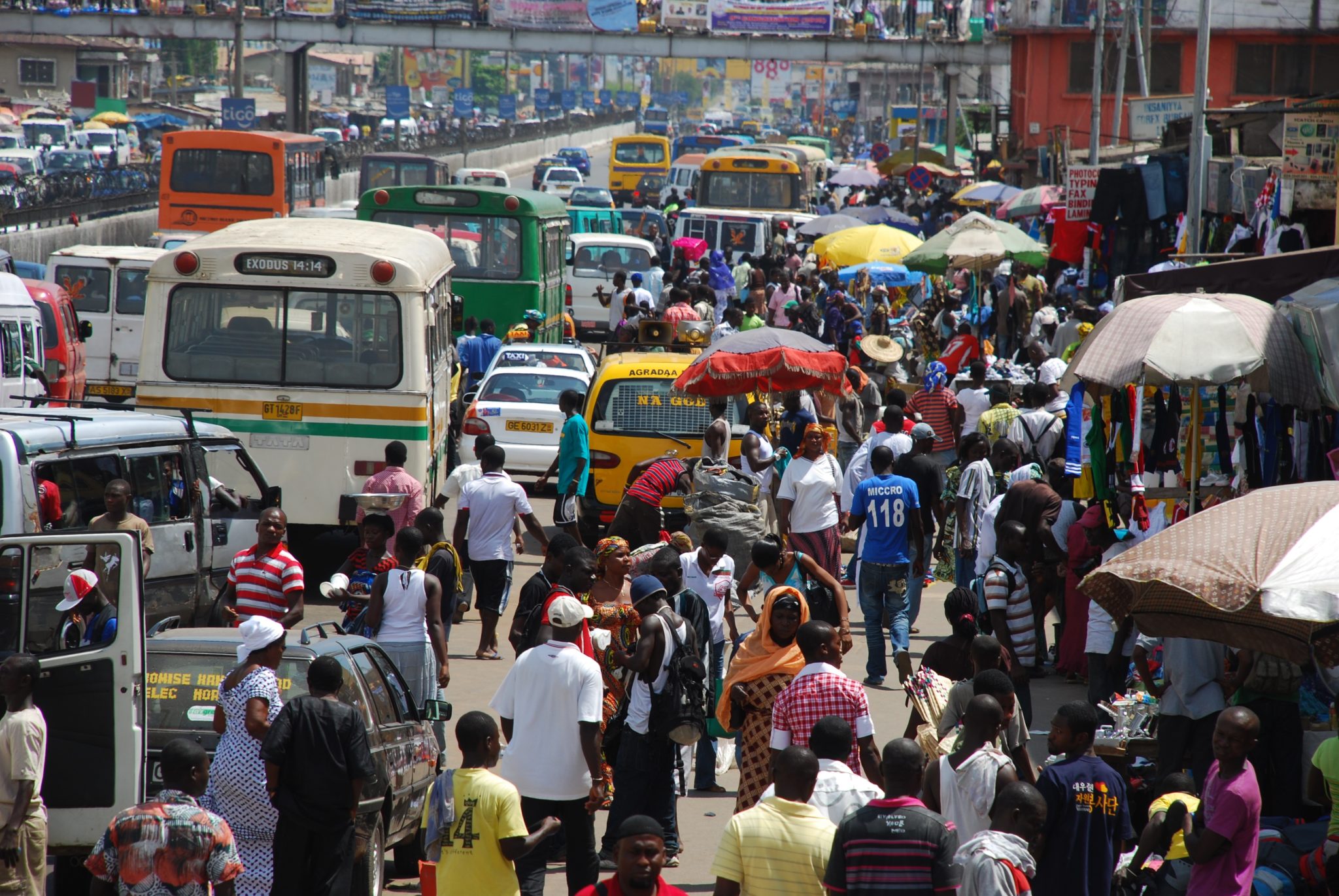
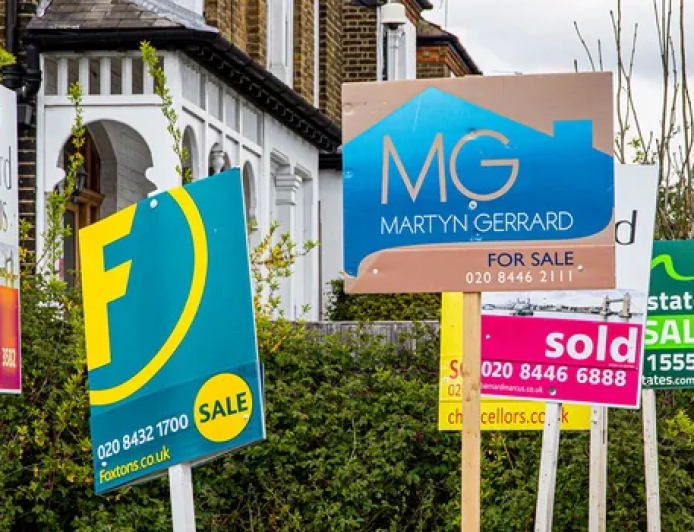
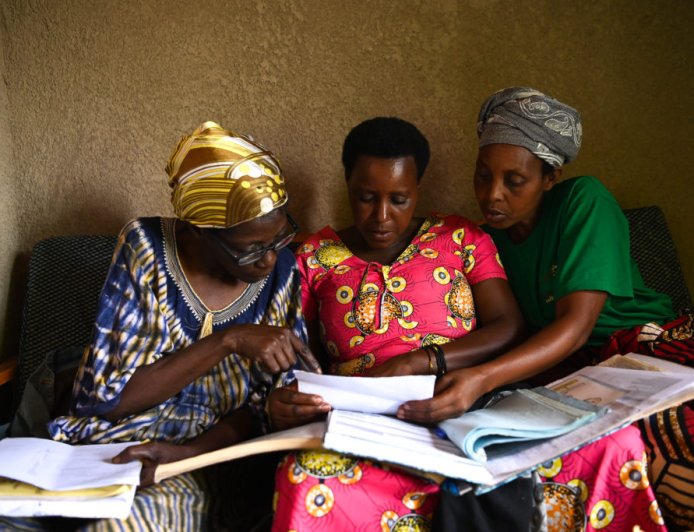
Ghana’s rental market increasingly depends on informal agents who connect landlords and tenants, especially in cities with high housing demand. Since the 1980s-90s economic reforms ended the State Housing Company’s monopoly, private agents have filled the gap but operate with little regulation.
Tenants often face high, non-refundable viewing fees and commissions up to 10%, unrelated to property value. Problems include lack of standardized pricing, licensing, and oversight, with outdated laws and limited reach of the Real Estate Agency Council. Digital platforms mainly serve high-end renters, while scams and fake listings thrive on social media.
Landlords often delegate management to agents, increasing tenant risks. Analysts urge the government to update regulations, enforce agent certification, and improve digital verification to protect renters, but for now, tenants must rely on these informal agents.
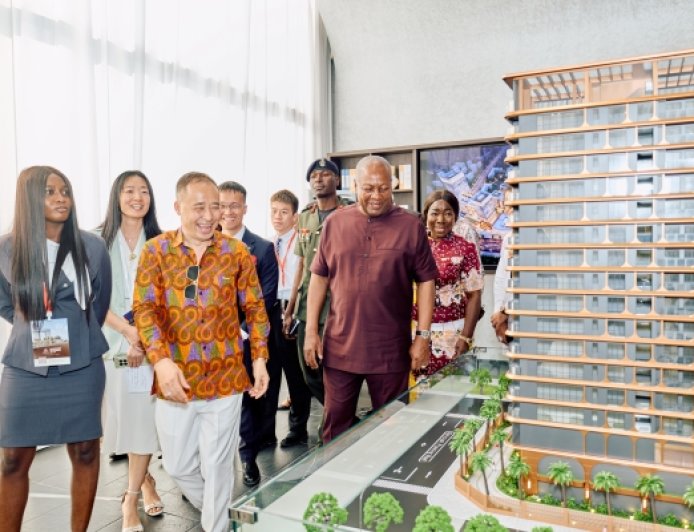
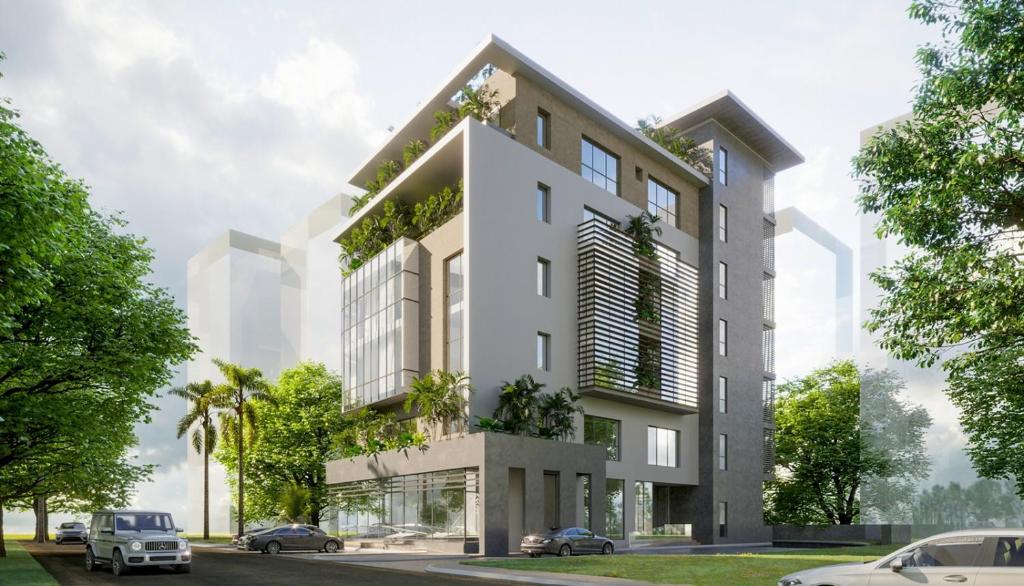
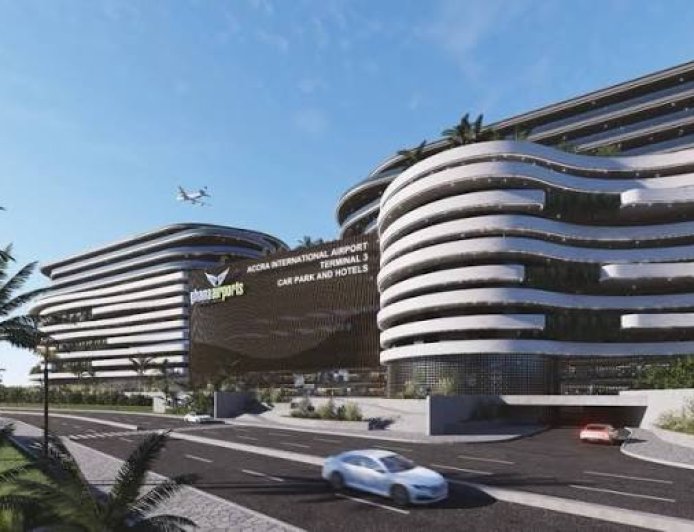
Ghana’s real estate sector has attracted significant foreign direct investment (FDI), driven by political stability, economic growth, urbanization, and legal frameworks allowing foreigners to own leasehold properties.
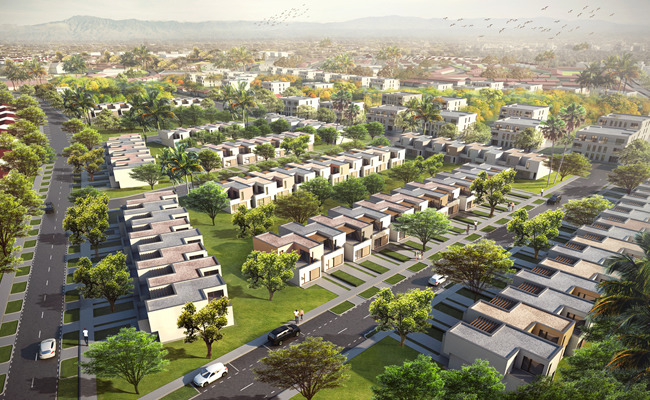
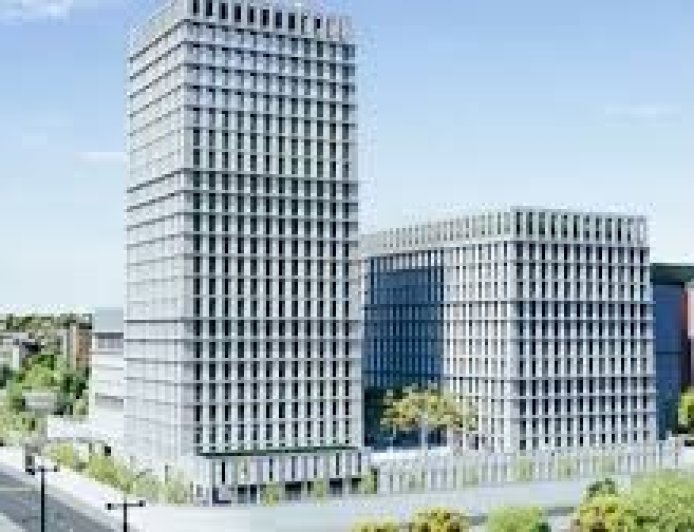
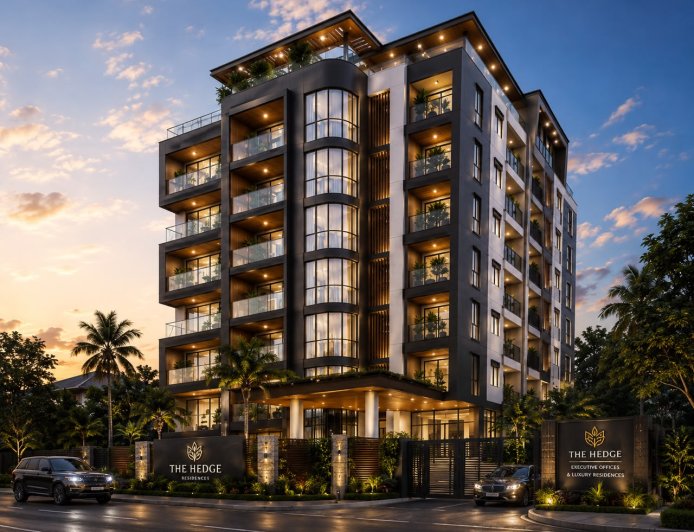
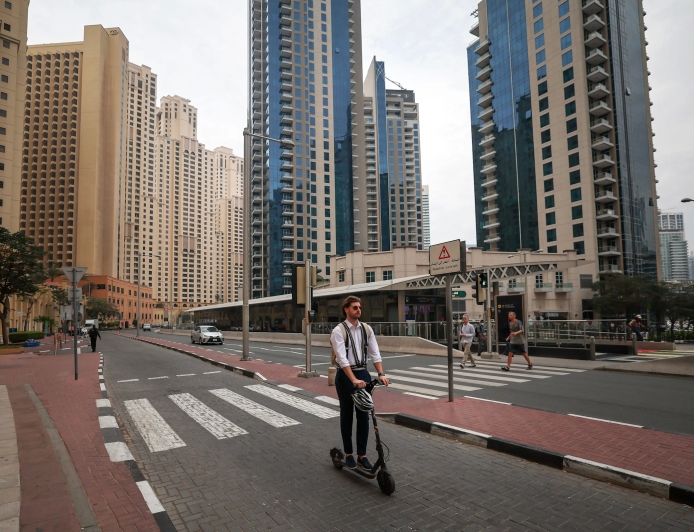
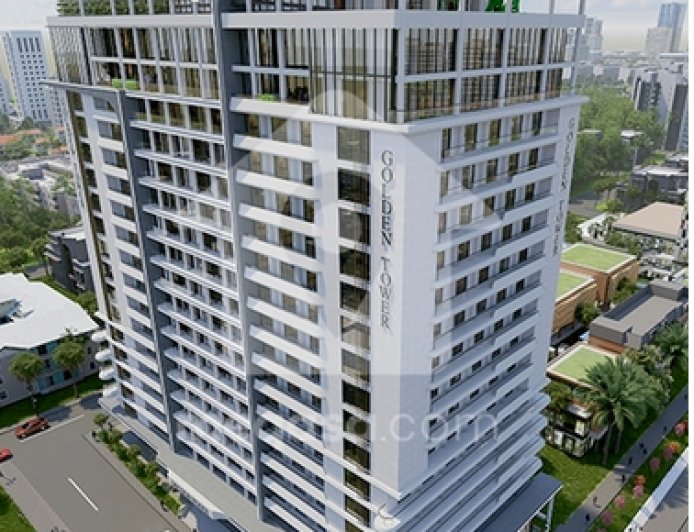
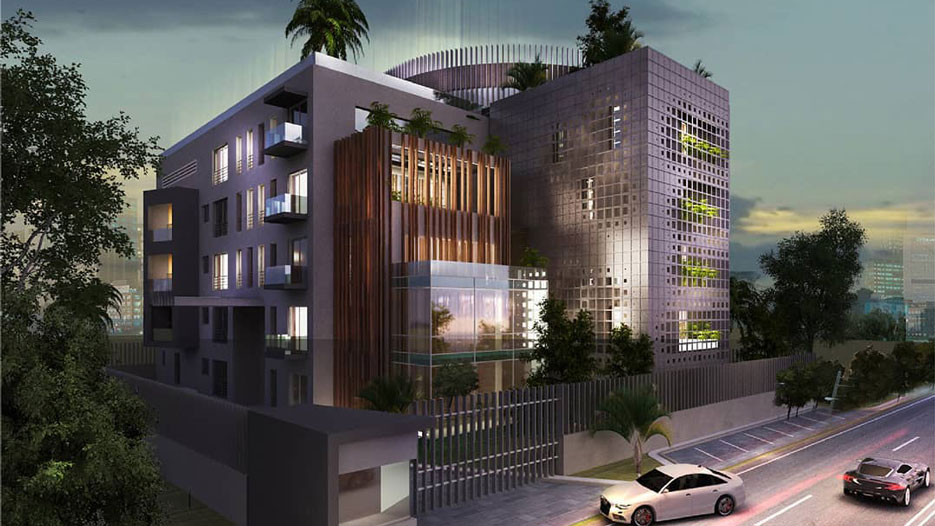
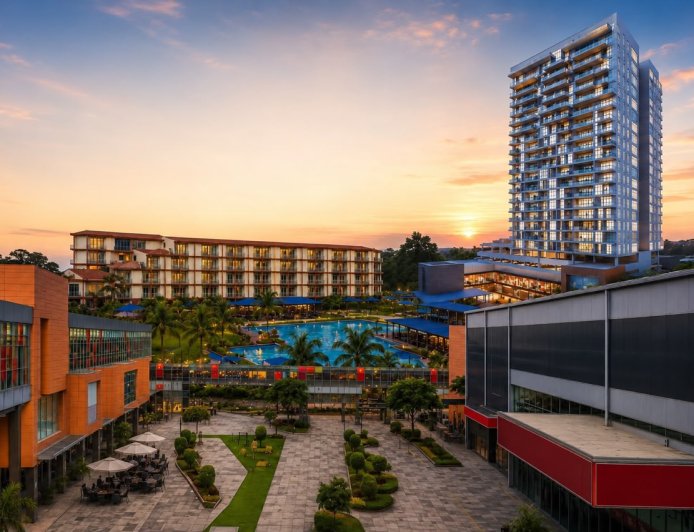
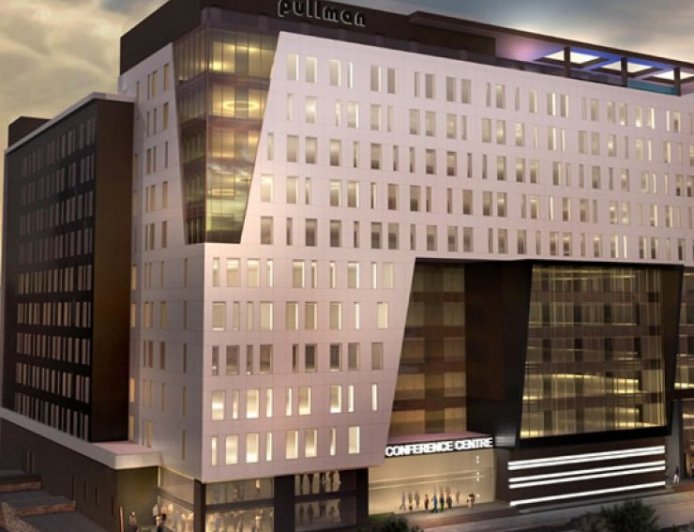
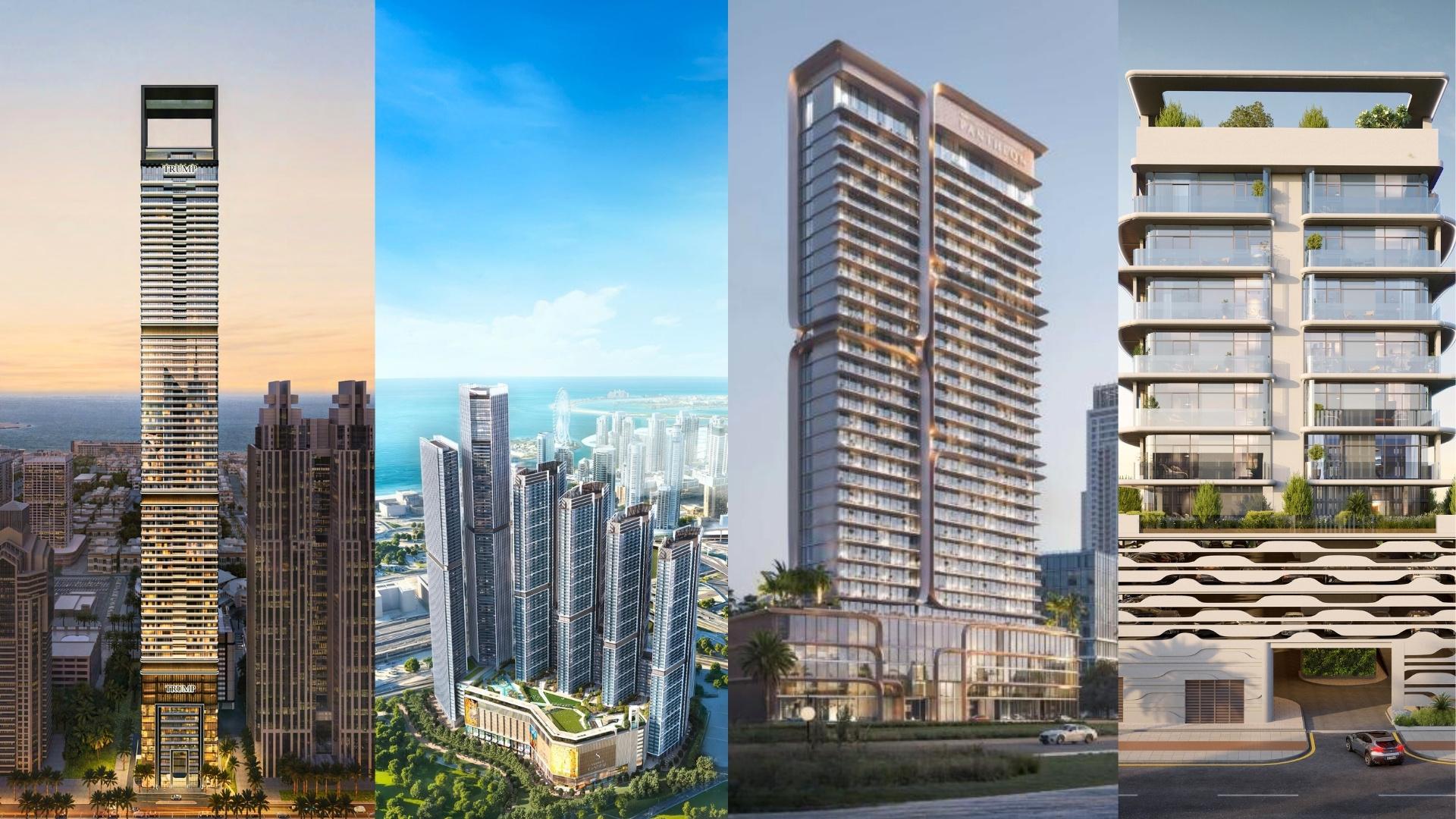
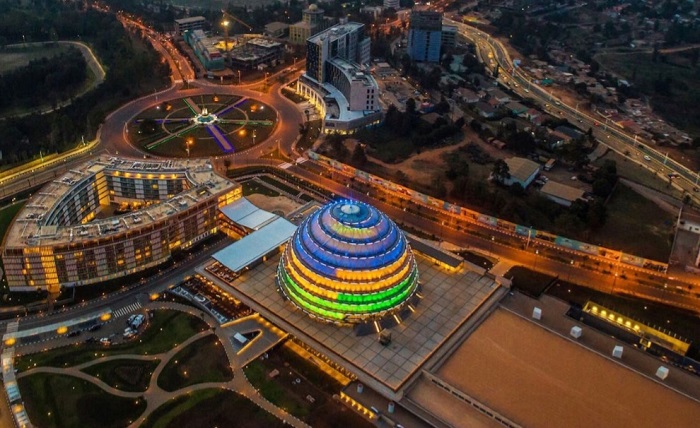
Accra, the capital, hosts numerous high-profile foreign-funded projects including luxury high-rise apartments, commercial spaces, hotels, and shopping malls developed by international investors. In contrast, local Ghanaian participation in these large-scale developments is minimal.
Despite concerns over low local involvement, foreign investment has brought positive impacts such as infrastructure development, job creation, technology transfer, economic diversification, capital inflow, and urban renewal, transforming Ghana’s urban landscape and boosting investor confidence.
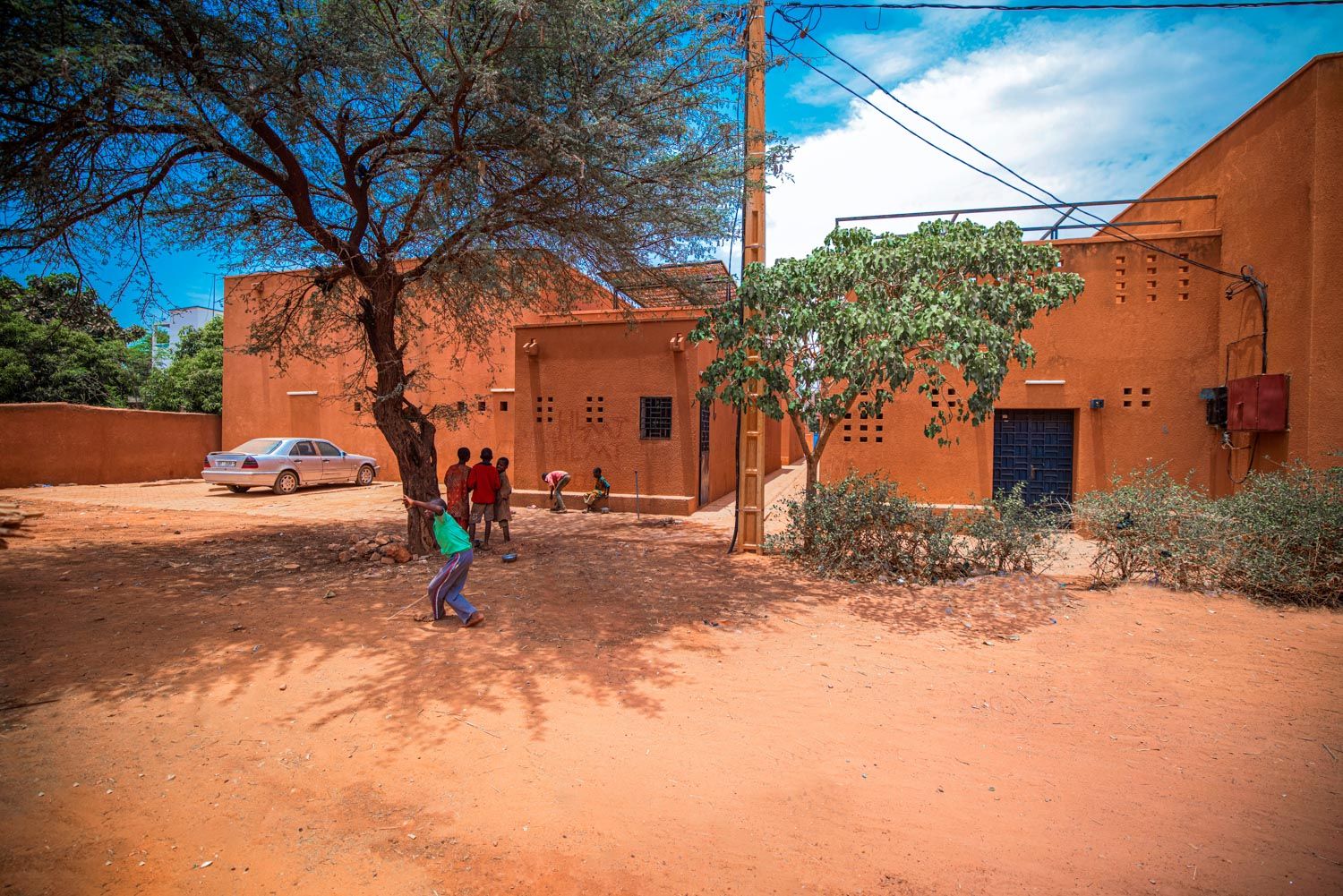
In South Africa's Ekurhuleni region near Johannesburg, police fired rubber bullets at residents protesting evictions from informal housing settlements. The evictions aim to address illegal settlements but have caused unrest among affected communities. This reflects the broader housing crisis in South Africa, where many households cannot afford homeownership due to low incomes and a significant housing shortage.
The government is under pressure to find sustainable solutions to provide affordable housing for its growing urban population. Meanwhile, community-led initiatives are emerging, seeking to create low-cost housing alternatives and ease the burden on public housing systems. However, the scale of the crisis demands coordinated efforts between authorities, private sector, and civil society to ensure long-term improvements.
Source : Joycelyn Marigold - African Home Building News


What's Your Reaction?
 Like
0
Like
0
 Dislike
0
Dislike
0
 Love
0
Love
0
 Funny
0
Funny
0
 Angry
0
Angry
0
 Sad
0
Sad
0
 Wow
0
Wow
0